Weed Killers
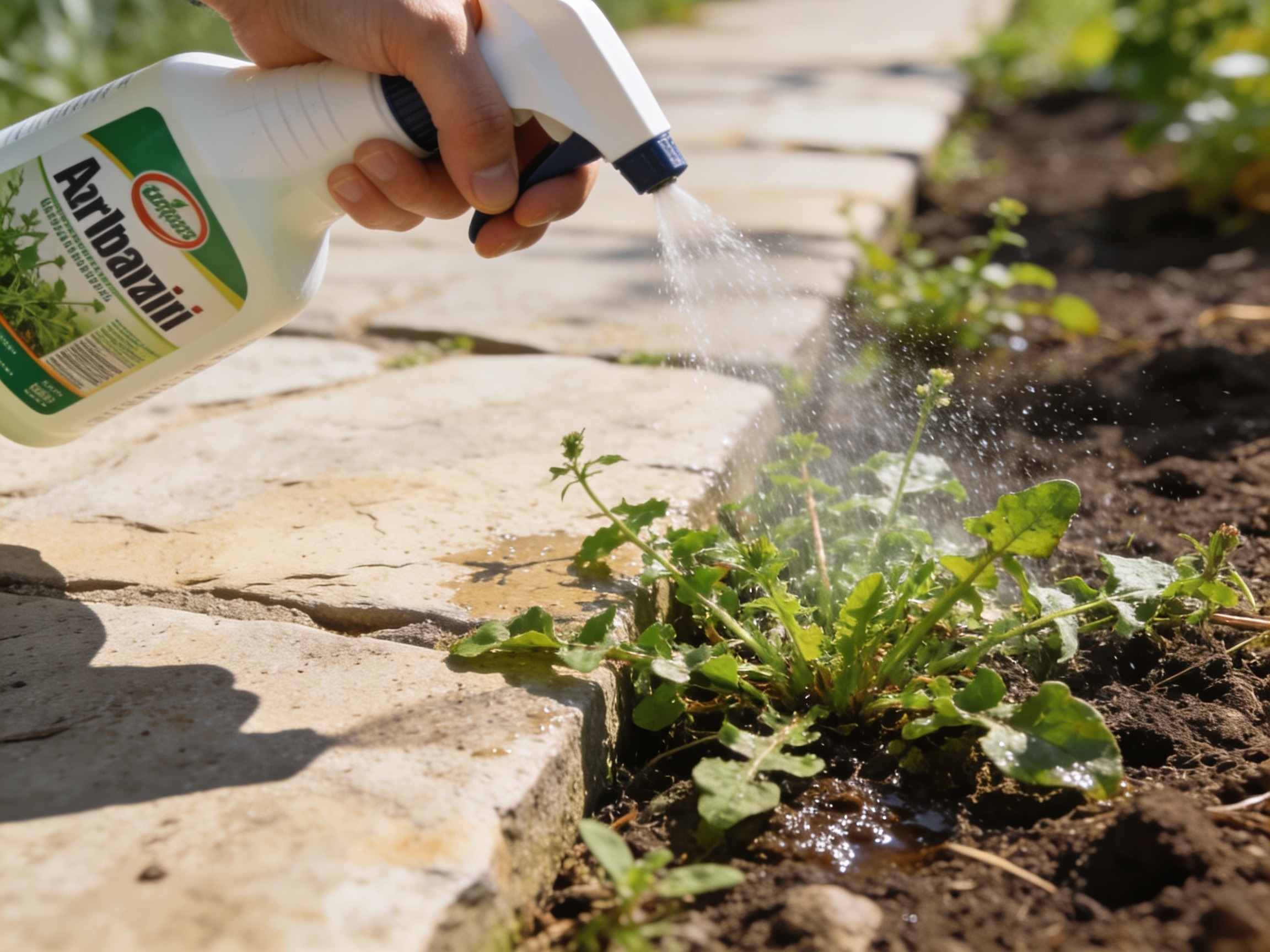
Not all weed killers work the same way — understanding the difference between selective and non-selective, and pre- and post-emergent, helps match the right product to the actual problem.
Selective vs. Non-Selective
Selective herbicides target specific types of plants — broadleaf weed killers for lawns, for instance, kill weeds while leaving grass unharmed. Non-selective herbicides kill any plant they touch, useful for clearing a patio or driveway but risky near desirable plants.
Pre-Emergent vs. Post-Emergent
Pre-emergent herbicides work by preventing weed seeds from germinating and must be applied before weeds appear — timing is everything with this type. Post-emergent herbicides target weeds already growing and are the right choice for an established weed problem.
Apply weed killer on a calm, dry day with no rain in the forecast for at least 24 hours — wind can carry spray onto desirable plants, and rain can wash it away before it works.
Organic Alternatives
Vinegar-based sprays, boiling water, and hand-pulling all offer chemical-free control for smaller weed problems, though they generally require more frequent reapplication than a synthetic herbicide. These options work especially well for spot-treating weeds in cracks and along paths.