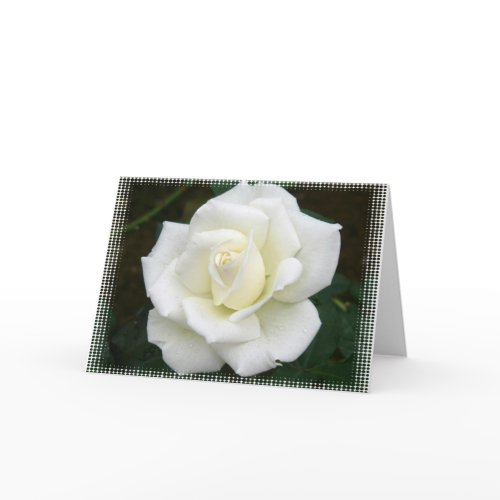
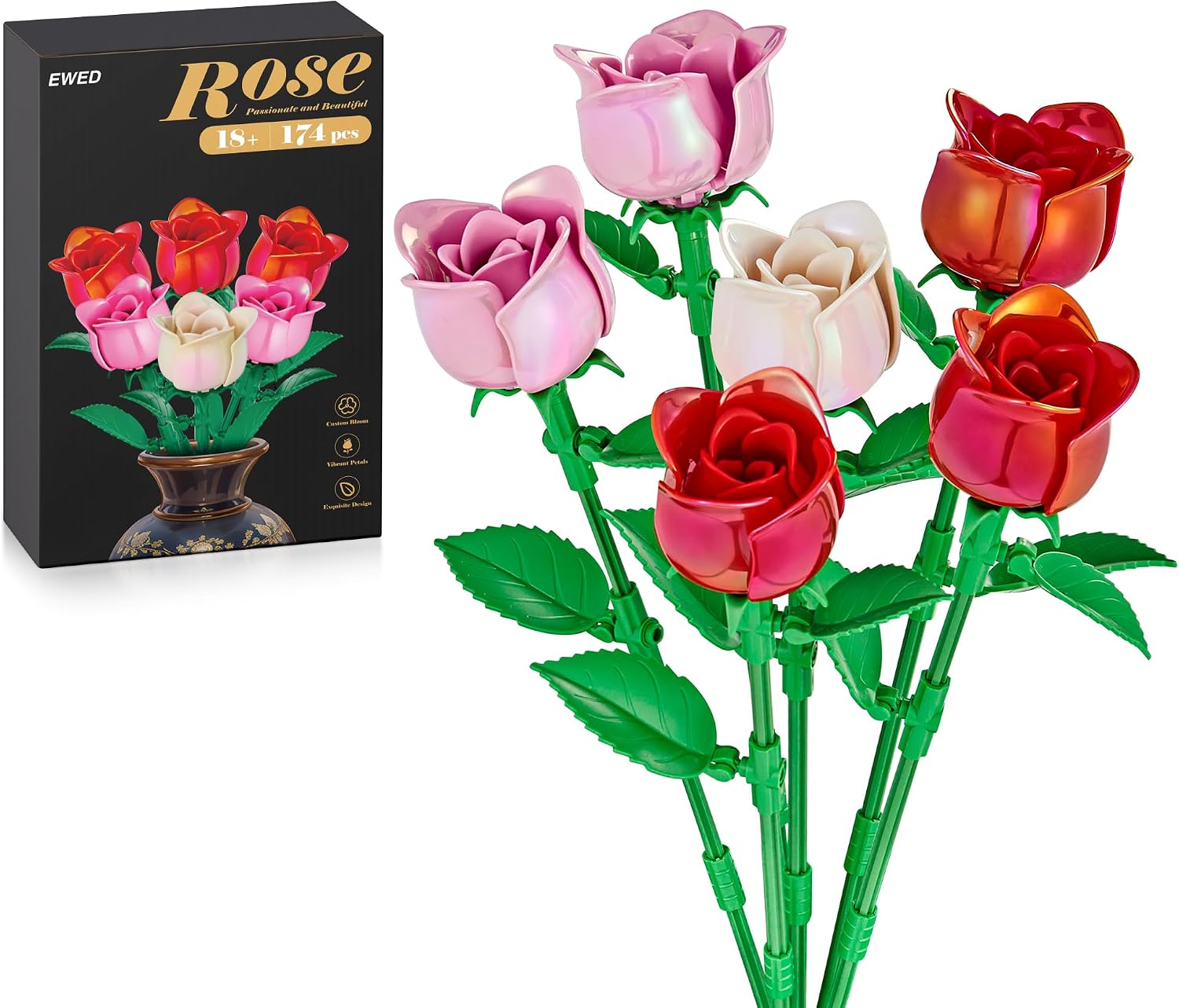
A rose is a perennial flower shrub or vine of the genus Rosa, within the family Rosaceae, containing over 100 species. Roses are the queen of flowers and the symbolic icon of love.
Roses are woody perennials with fragrant, layered blossoms ranging from less than an inch to several inches across. They grow as shrubs, climbing vines, and free-standing plants, and many varieties carry thorns along their stems. Most species are native to Asia, with smaller numbers native to Europe, North America, and northwest Africa — and thousands of hybrids and cultivars have been bred from them for the garden.
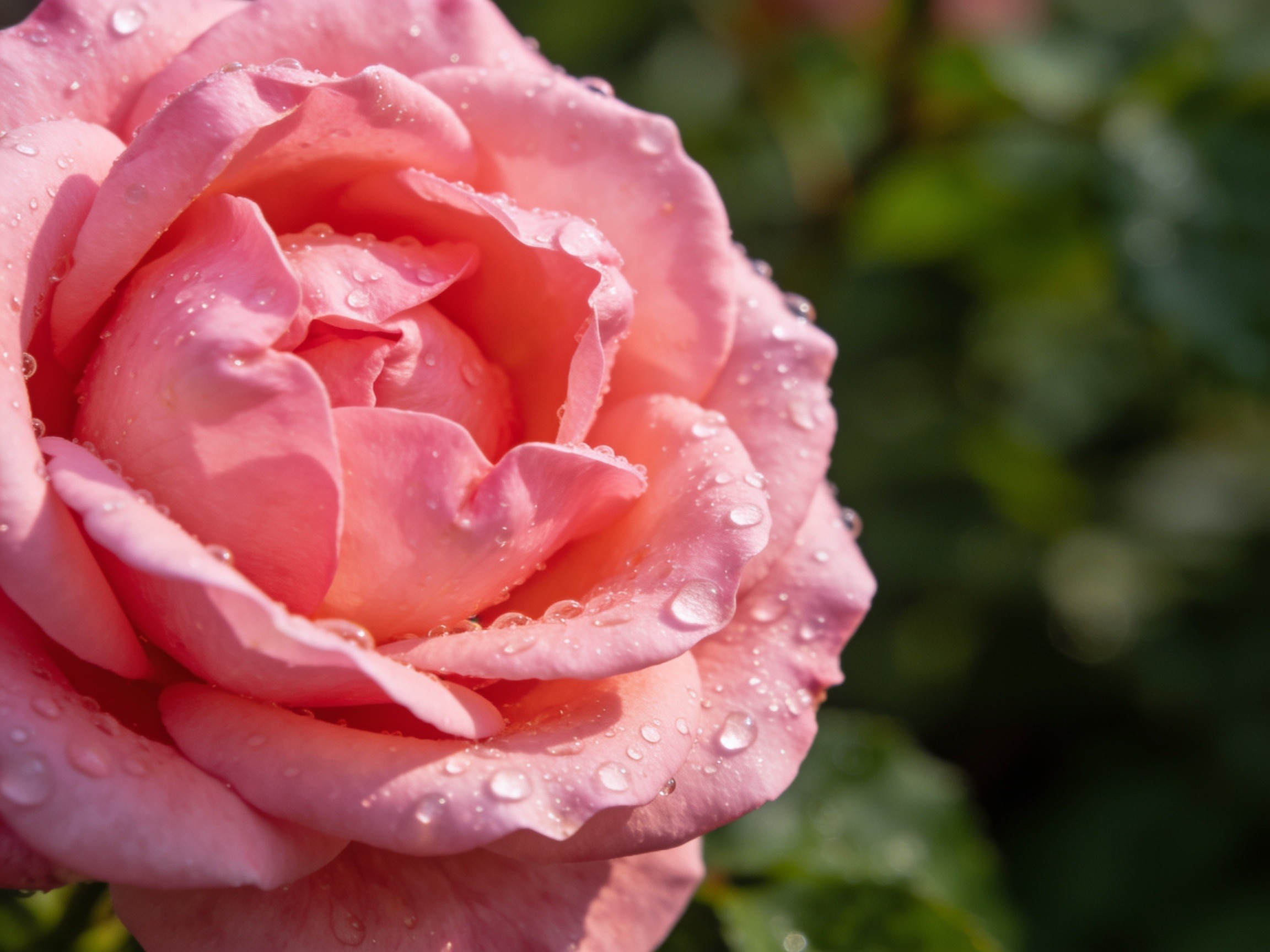
Roses are the enduring symbol of love. Color carries its own meaning within that: red for passion, yellow for friendship, white for purity. See our full guide to rose color symbolism for what each shade represents.
Roses can be more demanding than many perennials — they want full sun, rich well-drained soil, and consistent air circulation to resist black spot and powdery mildew. Prune in early spring before new growth starts, and deadhead spent blooms through the season to encourage repeat flowering. Most varieties are hardy but benefit from a layer of mulch over winter in colder zones.
Roses have been used in Chinese traditional medicine for centuries to ease stomach ailments, and modern research has explored their compounds for controlling cancer cell growth.
Rose hips — the fruit left behind after the petals fall — are prized for their high vitamin C content, and are often made into jam, jelly, and marmalade, or brewed as tea.