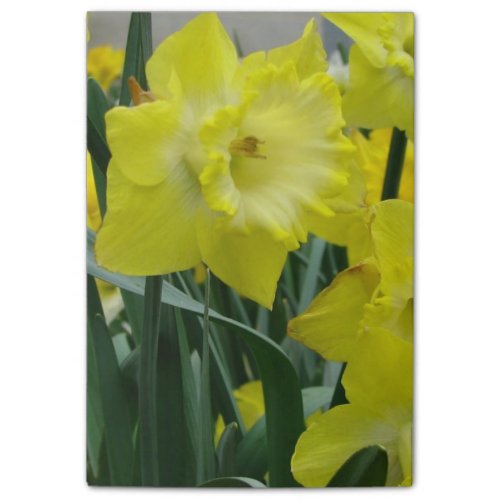
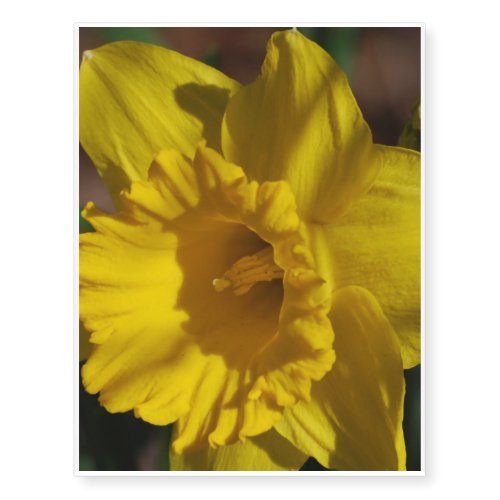
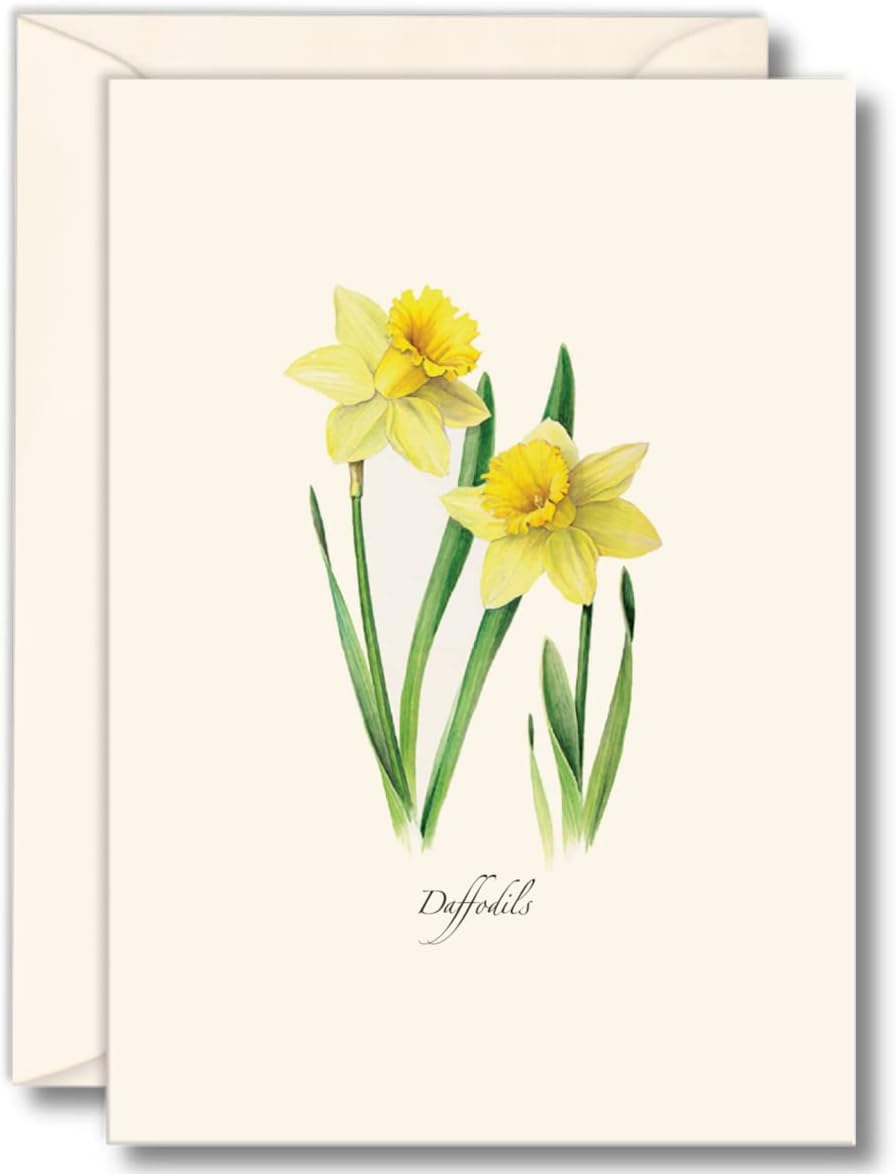
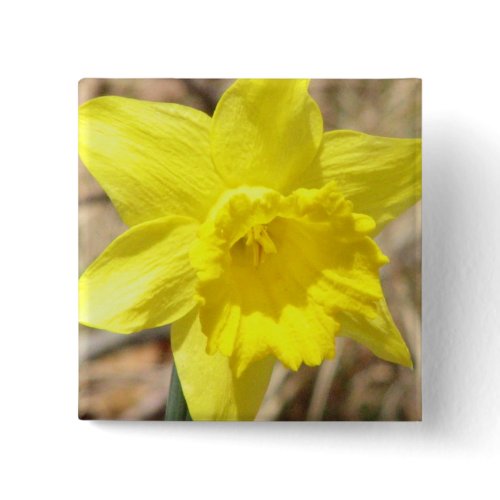
Daffodils herald spring with their unmistakable trumpet-shaped blooms, returning reliably year after year with almost no care required once planted.
Native to Europe and North Africa, daffodils have naturalized widely across temperate regions worldwide, prized for both their cheerful color and their natural resistance to deer and rodents. A single planting can multiply into a substantial drift over the years without any intervention.
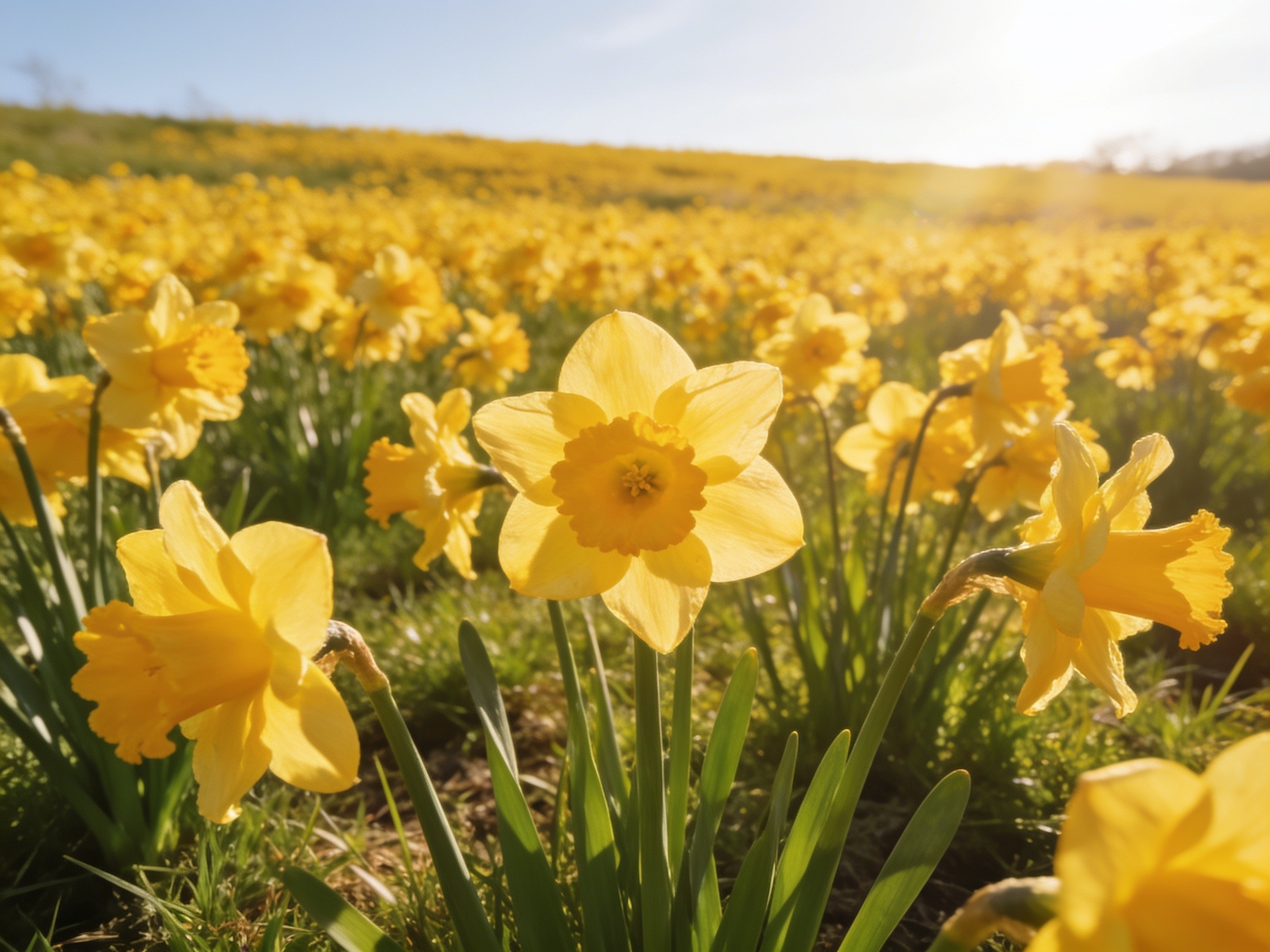
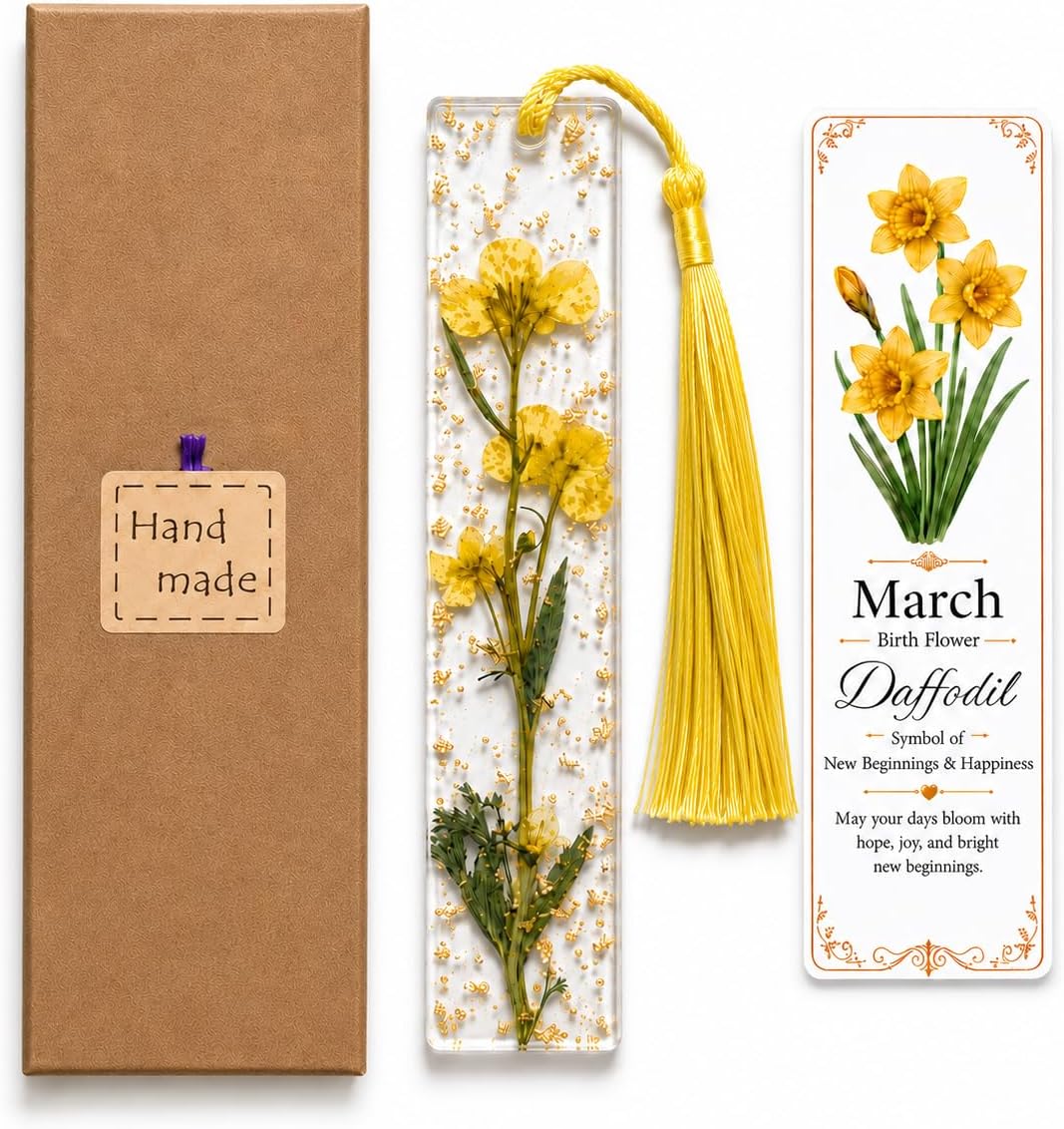
Daffodils symbolize new beginnings and rebirth, fittingly tied to their role as one of the very first flowers to bloom each spring, and they're also the traditional 10th wedding anniversary flower.
Plant daffodil bulbs in fall, in full sun with well-draining soil, and let the foliage die back naturally after bloom rather than cutting it early — this feeds the bulb for next year's flowers. Daffodils rarely need dividing and can be left undisturbed for many years, multiplying naturally into larger clumps.
All parts of the daffodil, especially the bulb, are toxic if ingested, and the plant has no history of safe culinary or herbal use — its toxicity is actually the reason deer and rodents leave it alone.