Types of Perennial Herbs
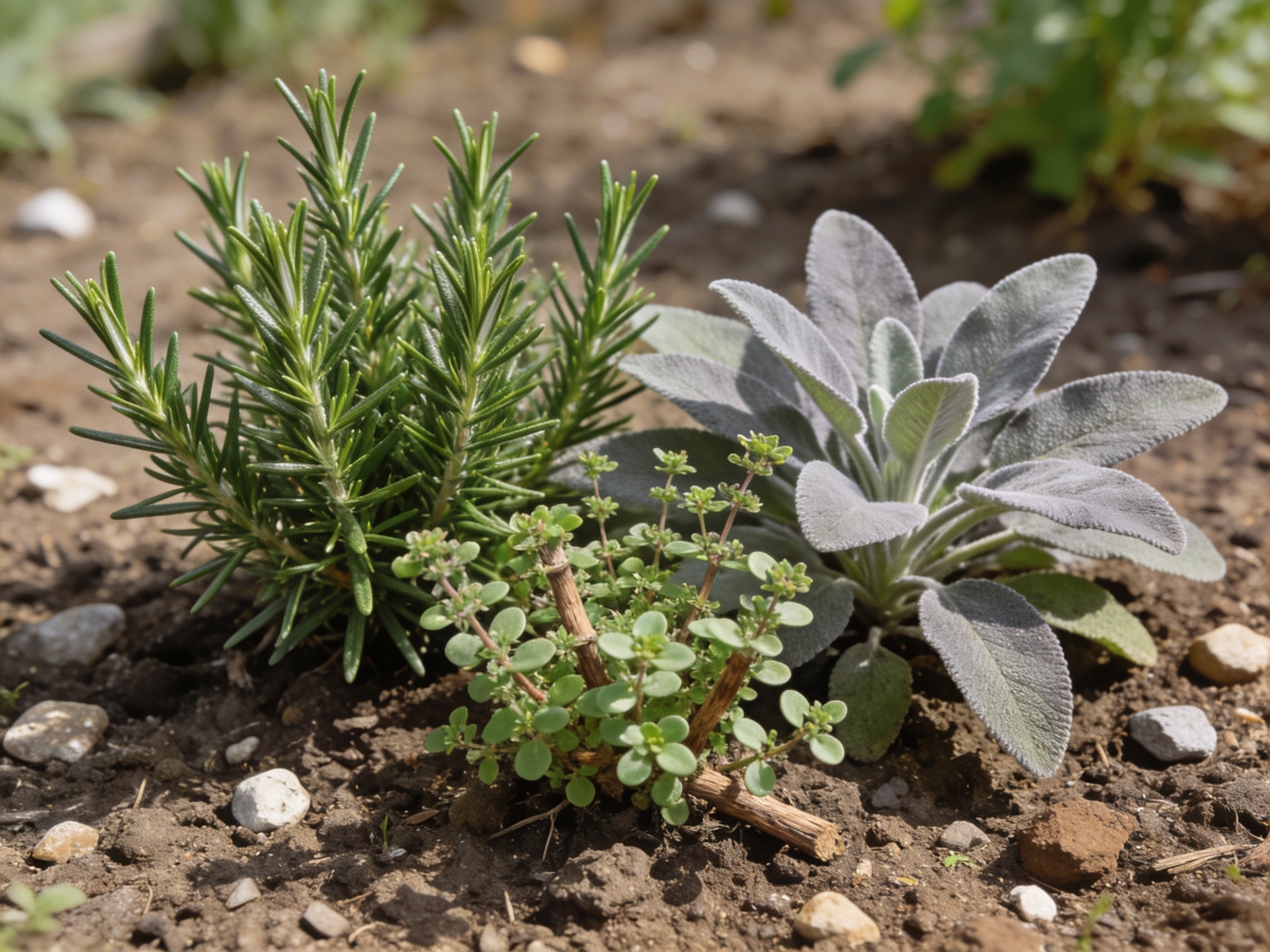
Unlike basil or cilantro, which need replanting every year, perennial herbs establish once and return reliably season after season, making them some of the lowest-maintenance plants in a kitchen garden.
Woody Mediterranean Herbs
Rosemary, thyme, sage, and lavender all originate from the Mediterranean and share a preference for full sun, well-draining soil, and relatively dry conditions once established. Their woody stems distinguish them from softer-stemmed herbs and generally make them more drought-tolerant and long-lived.
In colder climates, rosemary in particular may need winter protection or container growing, since it's less reliably hardy than thyme or sage.
Overwatering is the most common way to kill Mediterranean perennial herbs — err on the side of underwatering rather than keeping soil consistently moist.
Spreading Perennial Herbs
Mint, oregano, and chives spread more vigorously than the woody Mediterranean herbs, and mint in particular can become invasive if planted directly in the ground rather than contained.