Types of Daisies
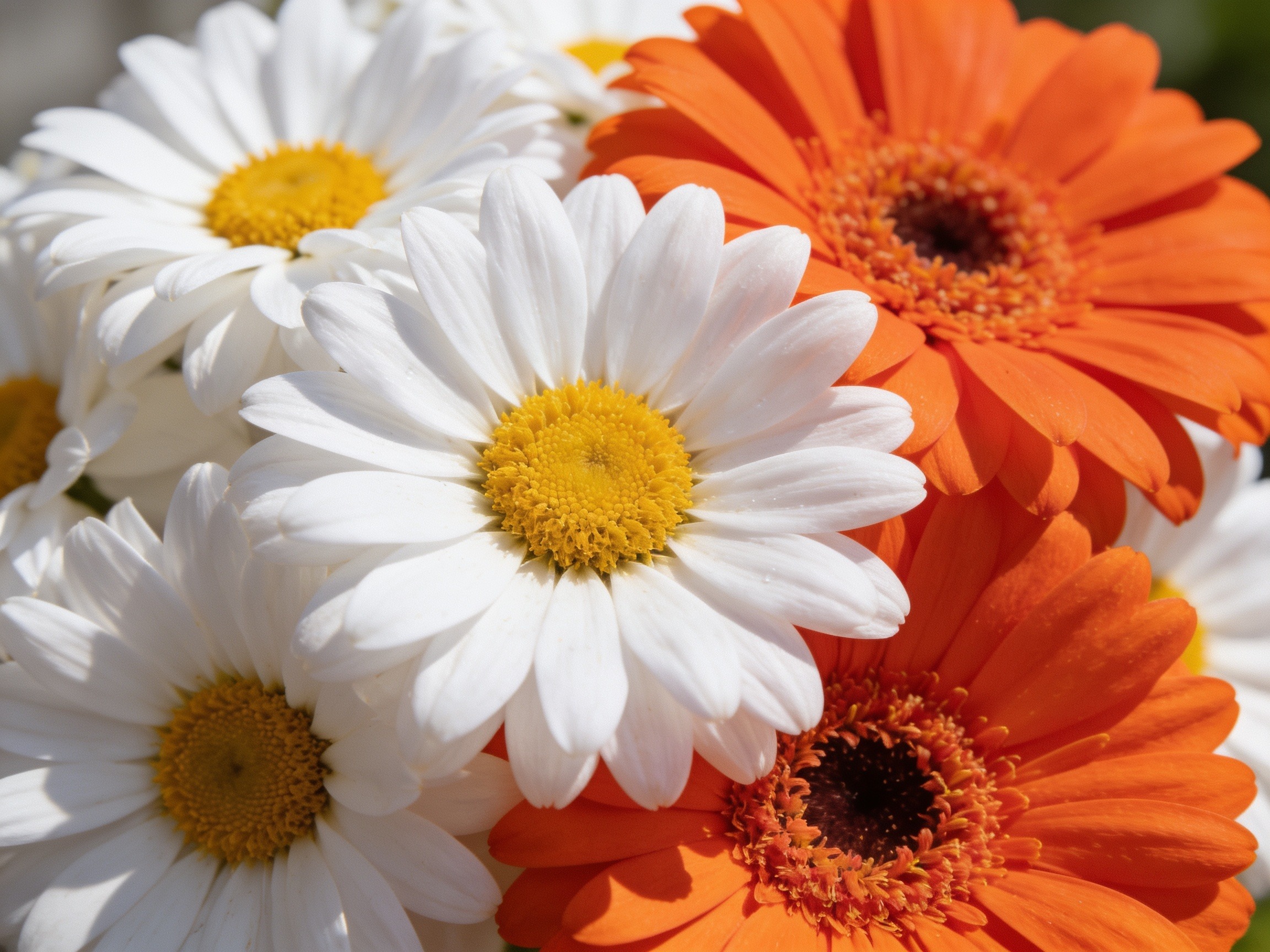
"Daisy" covers a wide range of plants, and the two most commonly grown — Shasta and Gerbera — have almost opposite care needs.
Shasta Daisies
The classic white daisy, Chrysanthemum maximum, is a genuine perennial but a fussy one about moisture: it wants to stay on the dry side through winter and will rot if kept wet, even though the cold itself won't hurt it. In containers it's usually treated as an annual unless you store the pot dry and cool over winter, watering only when the soil is bone dry and frost isn't a risk. In the ground, deadhead regularly, give it full sun, feed through the summer, and water deeply and consistently so the soil never fully dries out in the growing season — a summer mulch helps hold that moisture.
Gerbera Daisies
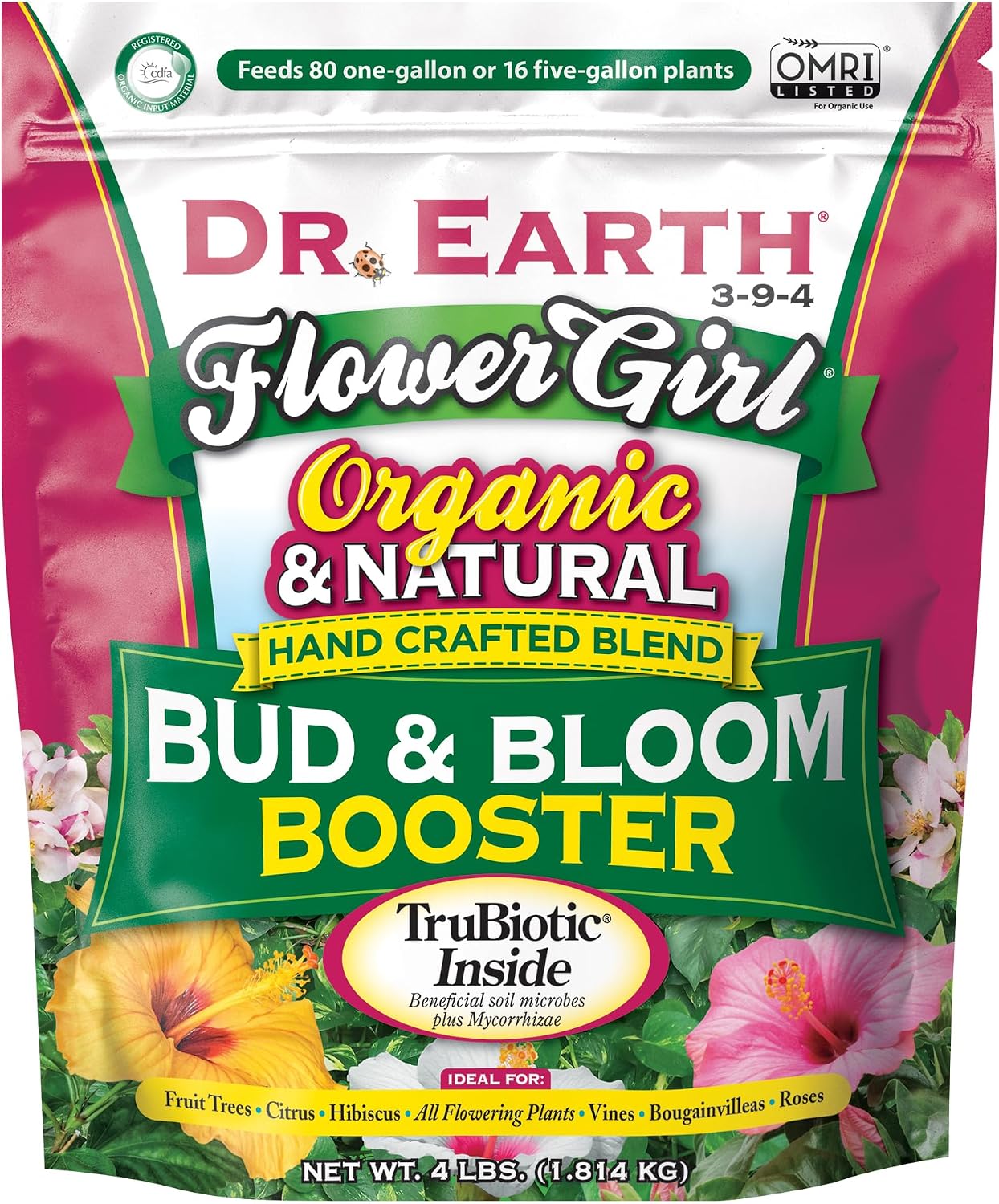
Gerbera jamesonii, the Barberton or Transvaal daisy, is a different plant entirely — a leafless single stem topped with an oversized bloom in yellow, orange, red, pink, or magenta. It's half-hardy to frost-tender, so treat it as an annual outside of mild climates, and deadhead its old blooms often since a plant that size needs the extra energy freed up to keep producing new ones. If a newly potted Gerbera droops within a week of a move, it's usually transplant shock rather than a care mistake — hold off on more fertilizer for about a week, then resume with a bloom-formulated feed.
Gerbera daisies are gorgeous but demanding in pots — if you want a lower-maintenance daisy for containers, Shasta tolerates more neglect once established.