Tips for Orchid Growers
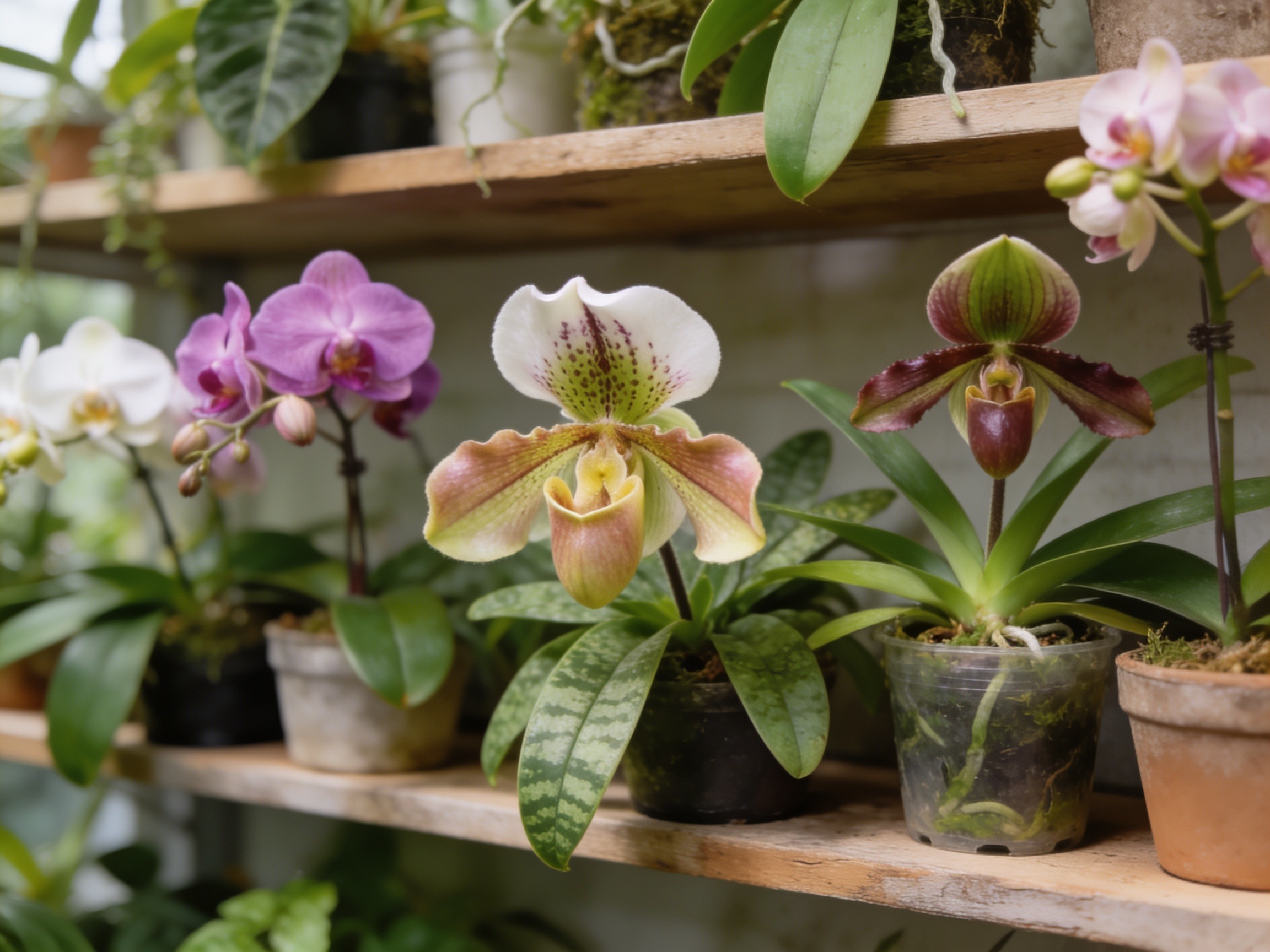
Once the basics of watering and light are handled, a few finer points separate an orchid that merely survives from one that blooms reliably year after year.
Feeding Lightly but Regularly
Orchids in the wild get very dilute nutrients from rainwater passing over tree bark and decaying matter, so feeding at a quarter to half the strength recommended for other houseplants, every week or two during active growth, mimics this pattern better than infrequent full-strength feeding. Cutting back significantly on feeding during the plant's dormant period avoids fertilizer buildup that can damage roots.
A fertilizer specifically formulated for orchids accounts for their unique nutrient needs better than a generic houseplant formula.
Flush plain water through the potting mix occasionally to wash away accumulated fertilizer salts, which can build up and damage orchid roots over time.
Repotting on a Schedule
Orchid bark mix breaks down over one to two years and stops draining as effectively, so repotting on that schedule — even if the plant seems fine — prevents root problems before they start.