The History of Orchids
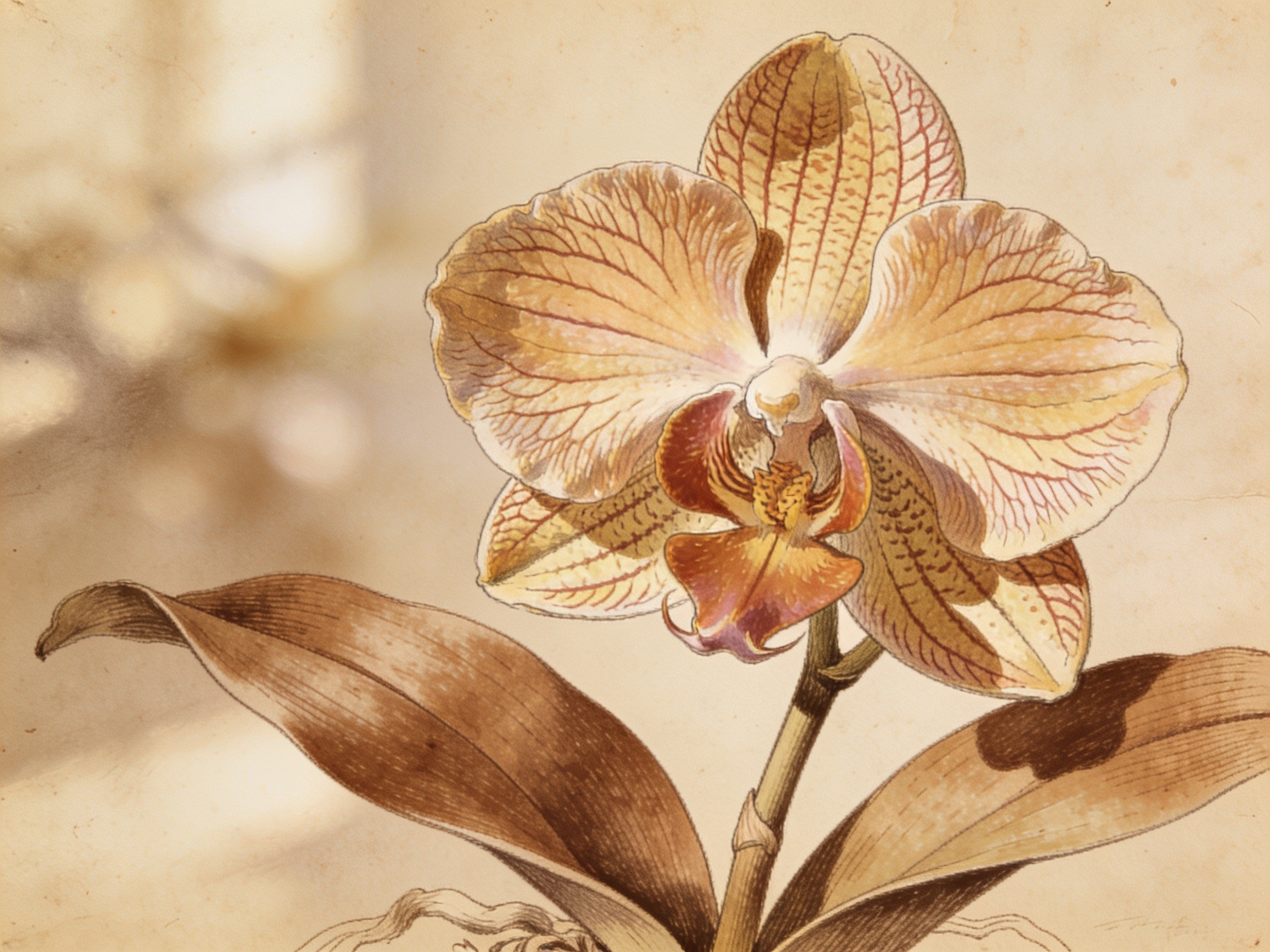
Behind today's easily available orchid lies a genuinely dramatic history of exploration, financial ruin, and slow scientific discovery.
A Slow Start
The vanilla orchid was the first to reach Europe, in 1510, prized as the second most expensive flavoring extract after saffron. Orchids weren't appreciated for their decorative value until 1635, when Cypripedium reginae arrived from North America — and even then, interest grew slowly. As late as 1804, the Berlin and Paris botanical gardens each held only seven species of exotic orchid, and England had just three; countries were importing them constantly, but most died in transit or failed to survive their new climates.
Cracking the Code
Jean Linden's 1845 expedition to study orchids in their native South and Central American habitat proved crucial, giving growers the knowledge to recreate the humid conditions orchids actually needed. Many early entrepreneurs still lost fortunes on plants that didn't survive the journey — only four British companies succeeded, Sanders among them. Dr. Salisbury's early studies of orchid germination made imported plants a more viable investment, and in 1856 the first successful orchid hybrid was created by a gardener working for Veitch, a milestone that reshaped the industry from that point forward.
A truly black orchid still doesn't exist despite generations of hybridizing — it remains one of the flower world's most sought-after, still-unmet goals.