
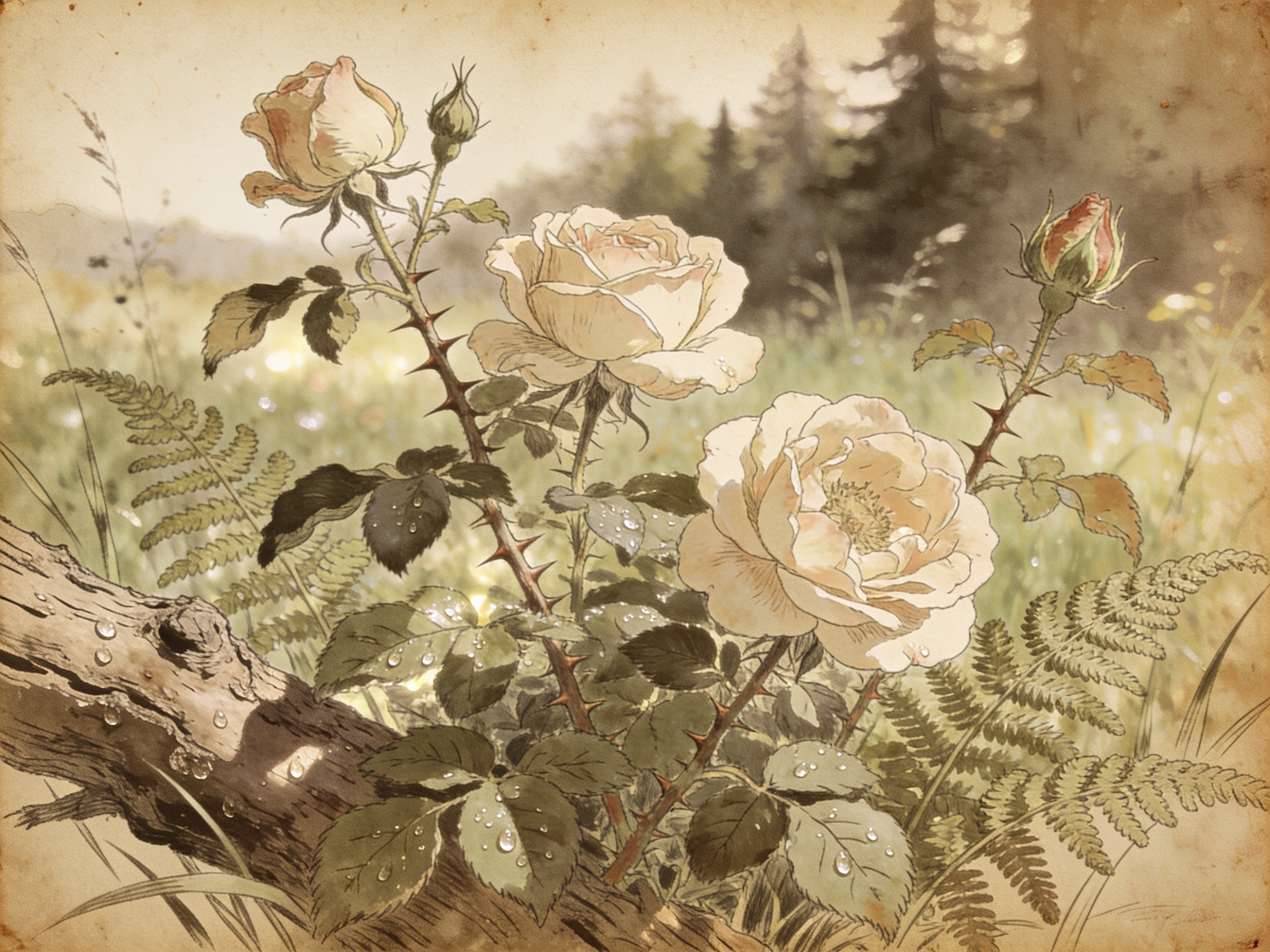
Wild roses have grown for tens of millions of years, but the modern garden rose we recognize today is the product of centuries of careful breeding.
Ancient Origins
Fossil evidence suggests roses existed on Earth long before humans, with wild species native across the Northern Hemisphere. Ancient civilizations in China, Persia, and later Rome and Greece cultivated roses for their fragrance and beauty, often using them in perfumes, medicines, and ceremonies.
The Rise of the Hybrid Tea
The introduction of China roses to Europe in the late 1700s brought repeat-blooming genetics that European breeders had never worked with before, since native European roses typically bloomed only once per season. Crossing these repeat bloomers with existing European varieties eventually led to the hybrid tea rose, first introduced in the 1860s, which remains one of the most popular rose types today.
Continued Breeding Today
Modern rose breeding continues to prioritize disease resistance, repeat blooming, and fragrance, with new varieties introduced every year through organizations that test and certify outstanding new roses.