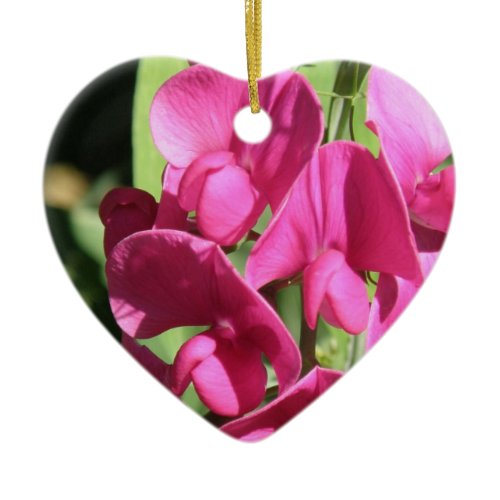
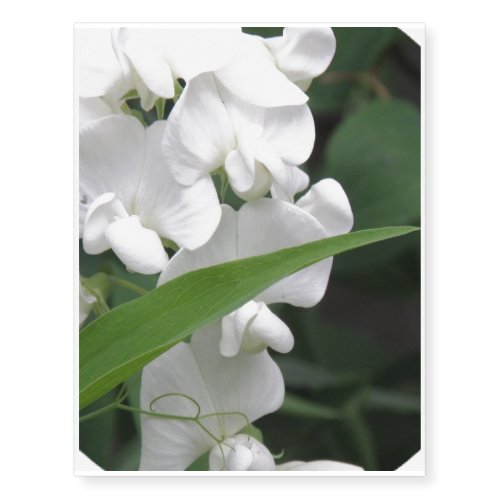
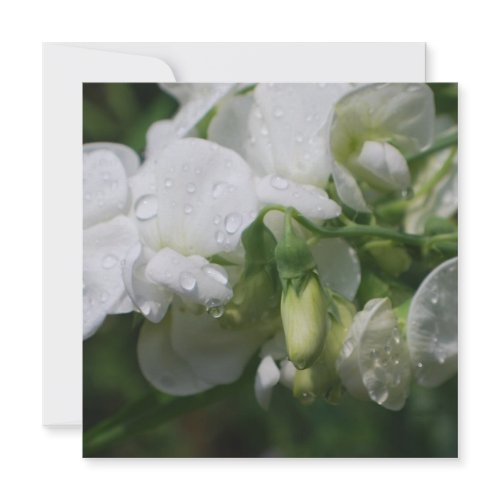
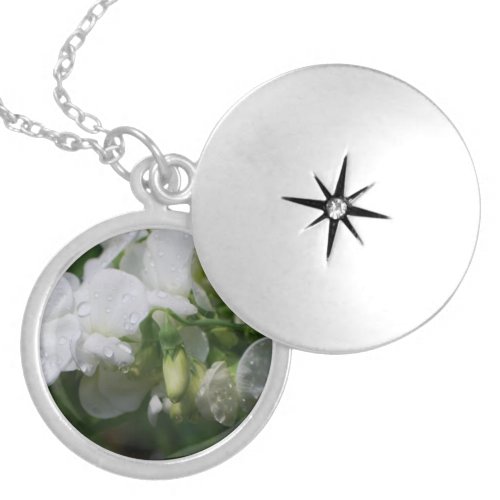
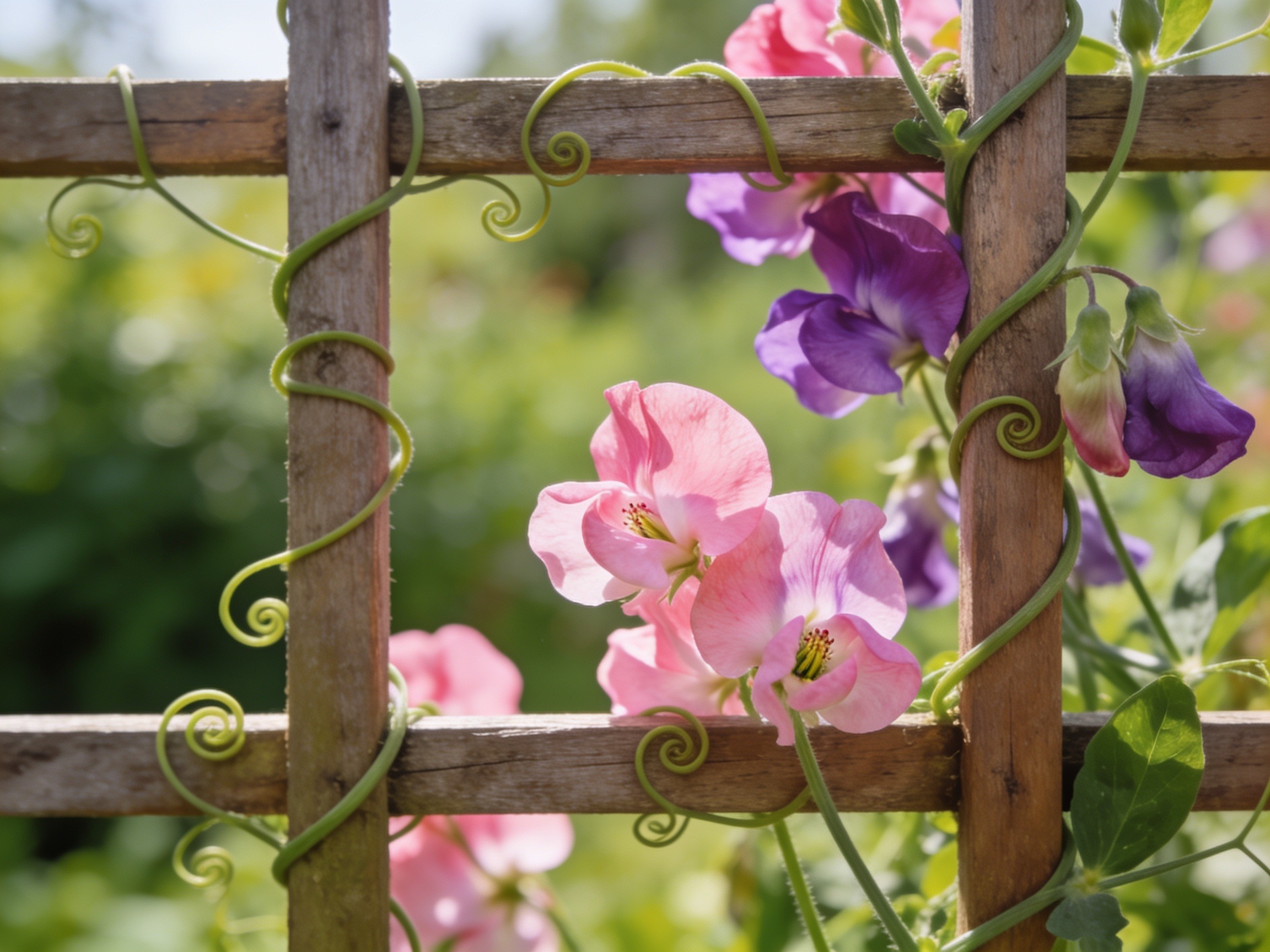
Sweet peas climb eagerly by curling tendrils, rewarding gardeners with ruffled, butterfly-like blooms and one of the most intensely sweet fragrances of the spring garden.
Native to Sicily and the Aegean, sweet peas became a Victorian-era sensation, with dedicated breeding societies competing to produce ever-more elegant and fragrant varieties. They remain a classic cool-season cutting garden favorite today.
Sweet peas symbolize blissful pleasure and a fond farewell, and were historically given as parting gifts to wish someone well, a tradition tied to their old-fashioned, delicate charm.
Sweet peas want full sun and rich, well-draining soil, planted early in cool weather since they dislike summer heat. Provide a trellis or netting for their climbing tendrils to grasp, and harvest blooms regularly, since letting flowers go to seed stops further production.
Sweet pea seeds are toxic if ingested in quantity and have no history of safe culinary use — despite their name and pea-like appearance, they should never be confused with edible peas.