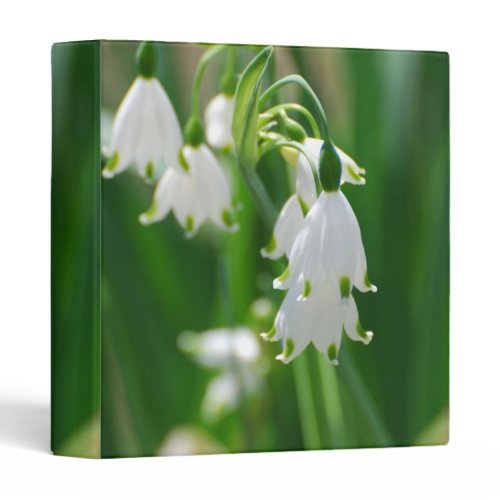
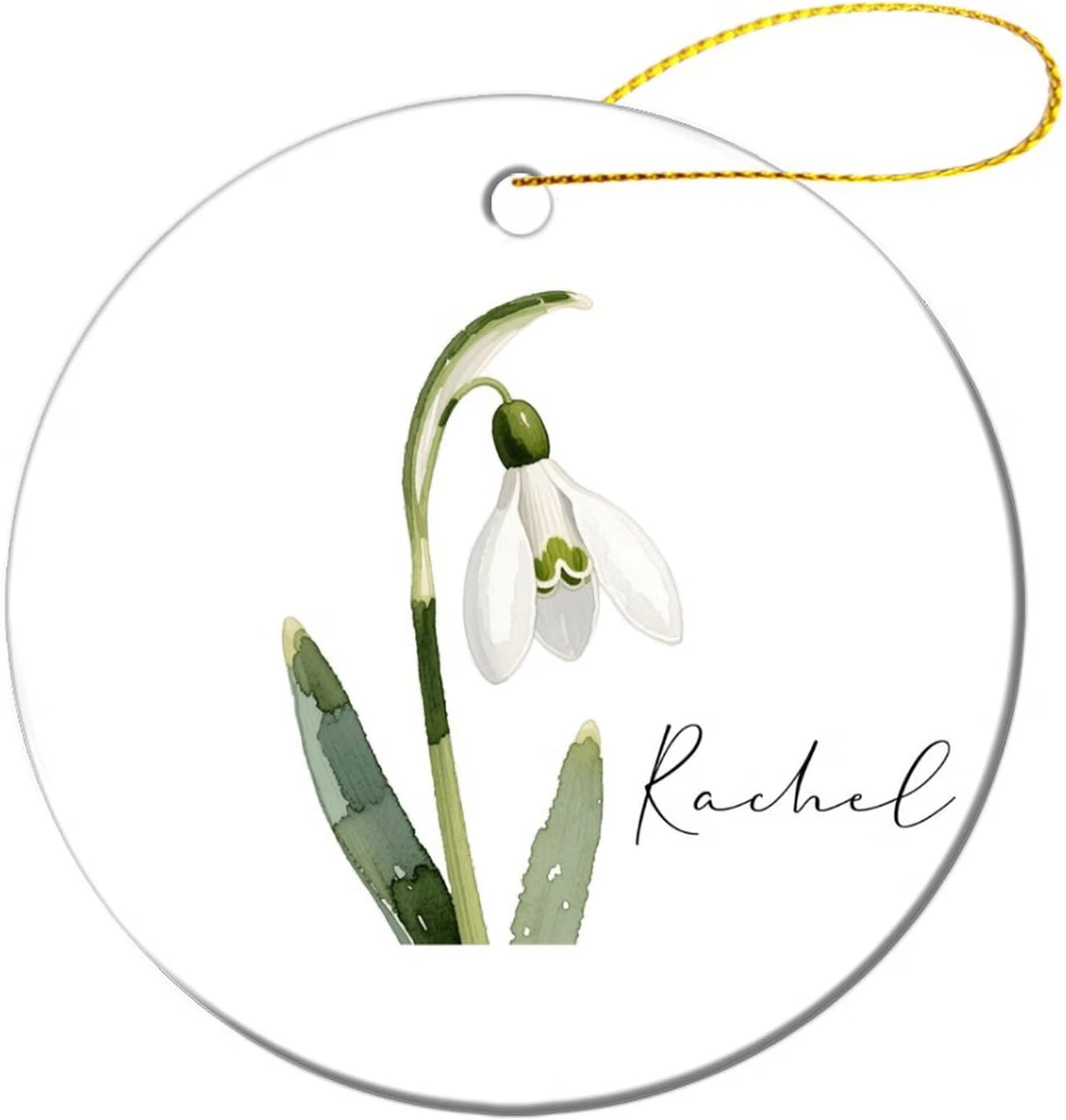
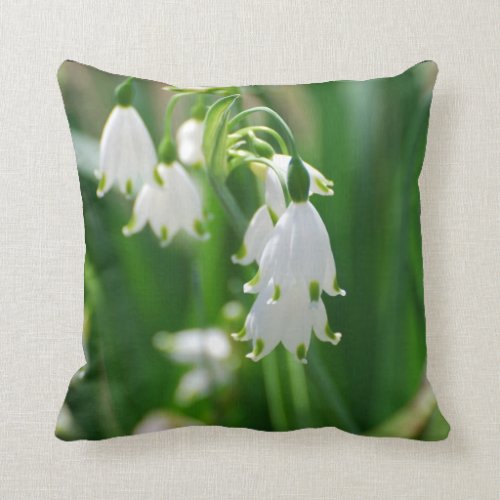
Snowdrops are among the very first flowers to bloom each year, often pushing up through late snow and frozen ground to open their nodding, honey-scented white blooms weeks before the rest of the garden stirs.
These small bulbs naturalize readily in woodland gardens and lawns, spreading into drifts over the years and returning reliably each winter's end as one of the earliest, most welcome signs that spring is on its way.
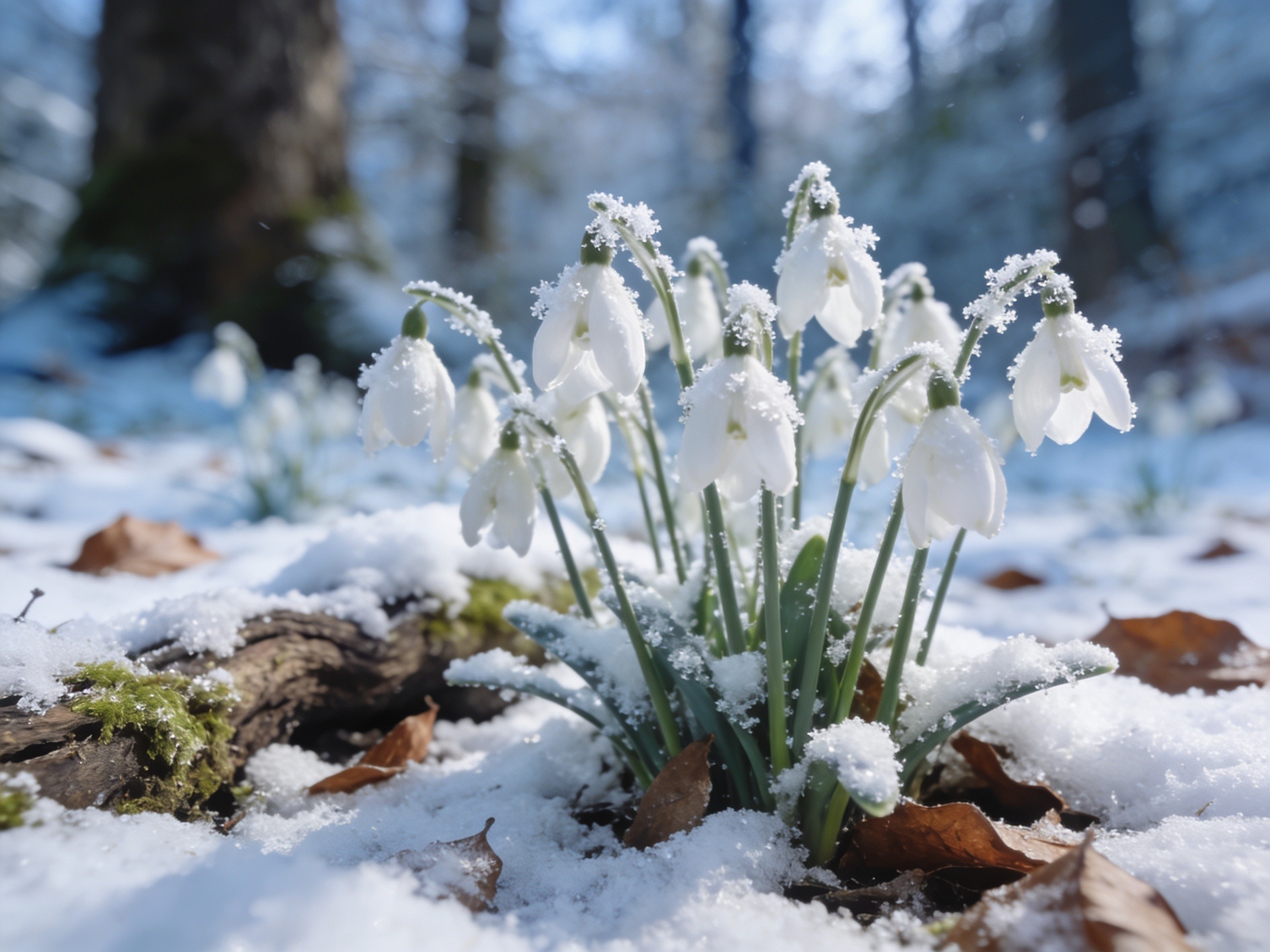
Snowdrops symbolize hope and rebirth, long associated with the arrival of spring and, in some European folk traditions, seen as a sign of consolation and the passing of winter's hardship.
Plant snowdrop bulbs in fall in rich, well-drained soil beneath deciduous trees, where they'll get bright light before the canopy leafs out and shade for the rest of the year. Leave foliage to die back naturally after blooming to feed next year's flowers, and divide crowded clumps "in the green" (just after flowering, while leaves are still present) for the best transplant success.
Snowdrops contain galantamine, a compound now used in modern pharmaceuticals to treat Alzheimer's disease — though the bulbs themselves are toxic if eaten and should never be used in home remedies.