Snapdragon Flower Facts
The snapdragon takes its name from a bit of playful biology — squeeze the bloom and it opens and closes like a tiny dragon's mouth, giving the flower its "snap."
A Flower With Two Names
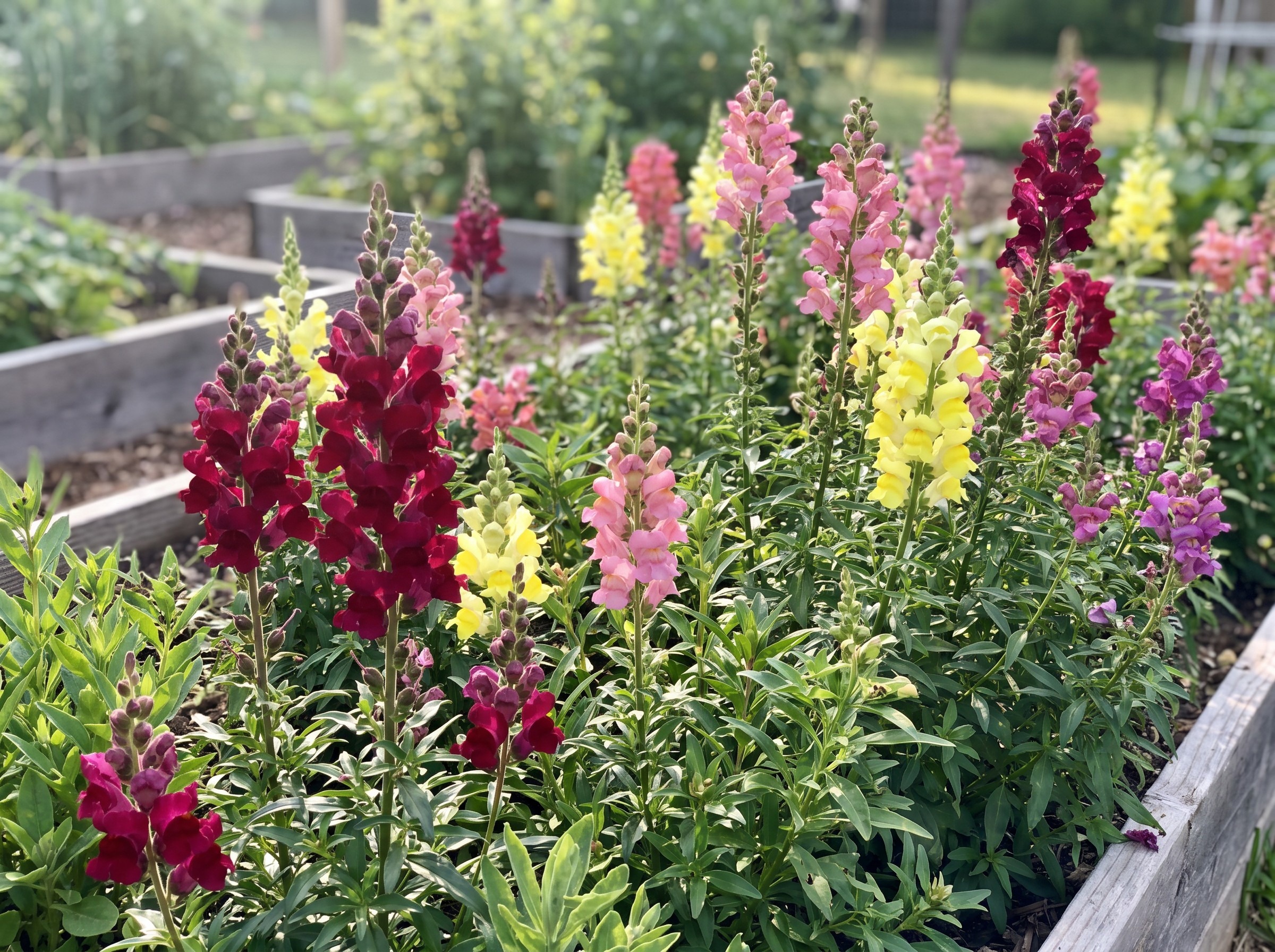
Botanically, the snapdragon belongs to the genus Antirrhinum — Greek for "like a nose," a nod to the seed capsule's shape once the flower has finished blooming. DNA studies have since moved the plant from its old family, Scrophulariaceae, into Plantaginaceae. Snapdragons come in nearly every color except blue, in solid shades, pastels, and multicolor blends, arranged on tall flower spikes with leaves spiraling up the stem. Sizes range from dwarf varieties at 6 to 15 inches to tall types reaching 30 to 48 inches, with plenty of medium heights in between.
Growing Conditions
Technically a perennial, the snapdragon is usually grown as a cool-season annual, blooming in spring and often stalling out once summer heat arrives — partial sun and consistent watering help it hold up better through hot stretches. It tolerates cool weather well but doesn't fare well in truly cold climates, doing best in the milder temperatures of spring and fall. Plant in well-drained, neutral-pH soil enriched with organic matter, either sowing in winter or starting indoors and transplanting a few weeks before the last frost.
If your snapdragons stop blooming mid-summer, don't assume they're finished — many varieties pick back up again once temperatures cool in early fall.