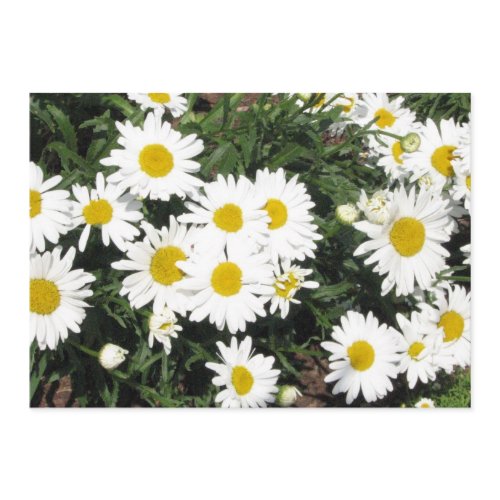
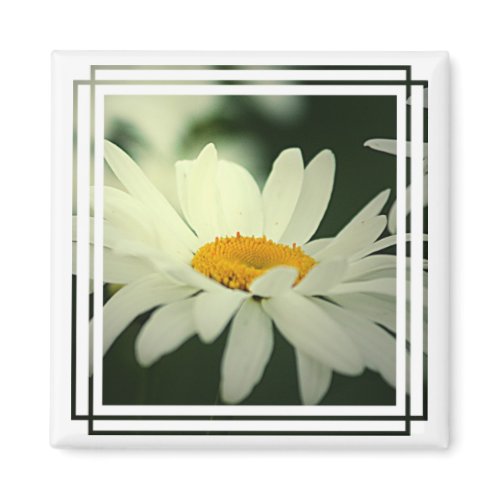
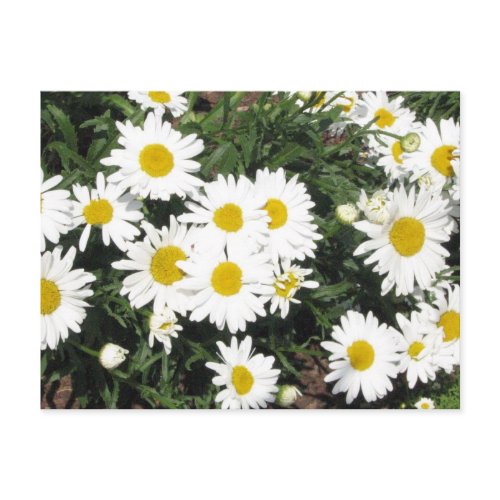
The Shasta daisy is the classic white-petaled, yellow-centered daisy of summer borders — bred by American horticulturist Luther Burbank in the late 1800s by crossing several wild daisy species to create a larger, showier bloom.
Named for the snowy white of Mt. Shasta, this cheerful perennial blooms prolifically from early summer into fall and remains one of the most popular cut flowers grown in home gardens today.
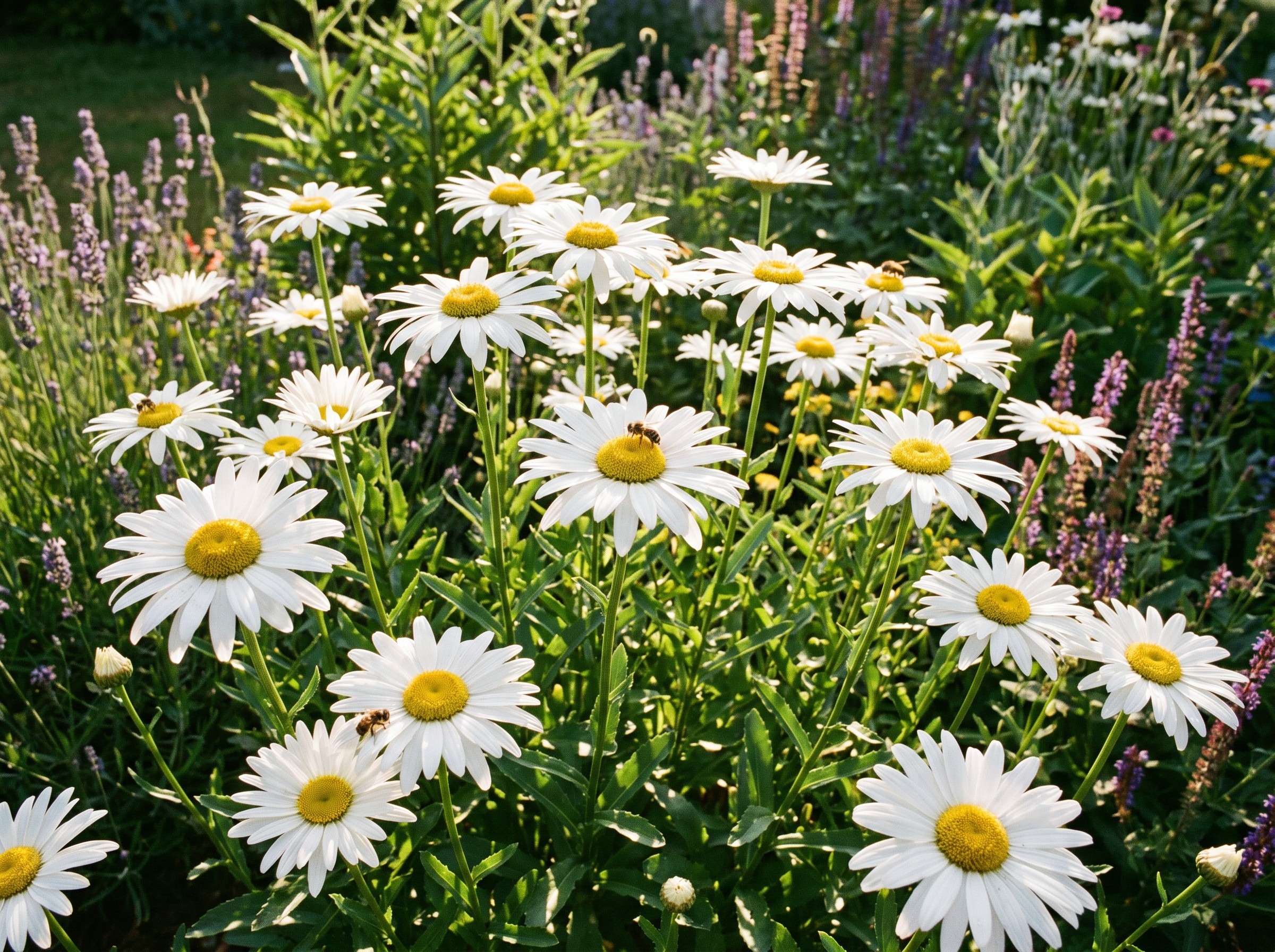
Like other daisies, the Shasta daisy symbolizes innocence, purity, and new beginnings — its simple, sunny form has long made it a favorite in wedding bouquets and gifts celebrating fresh starts.
Shasta daisies want full sun and rich, well-drained soil, though they tolerate average conditions well. Deadhead spent blooms regularly to keep flowers coming all summer, and divide clumps every two to three years in spring, since plants can decline in vigor at the center as they age.
Shasta daisy has no significant traditional herbal use of its own, though as a member of the daisy family it shares some historical folk associations with wound-healing salves attributed to related Leucanthemum and Bellis species.