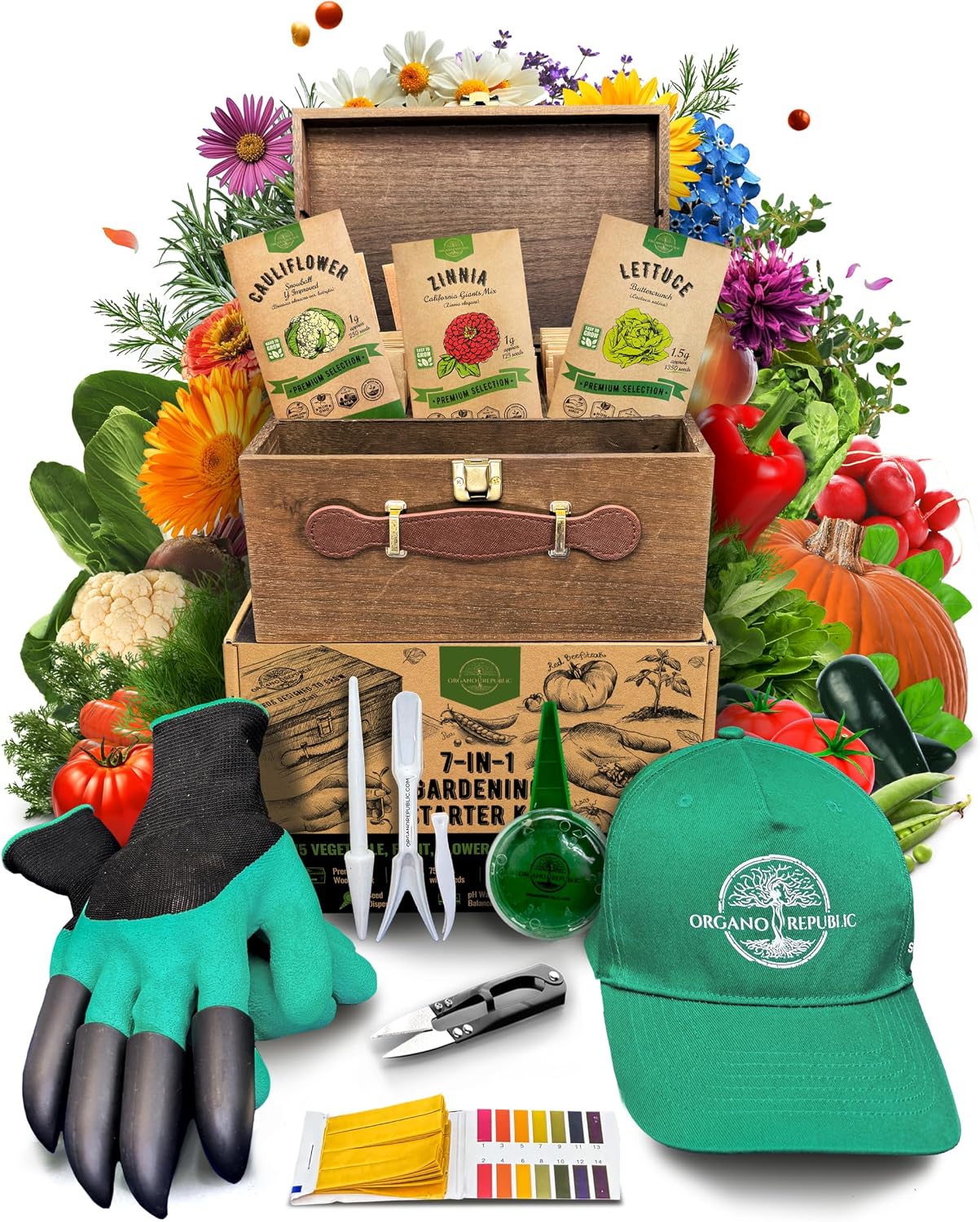
Seeds
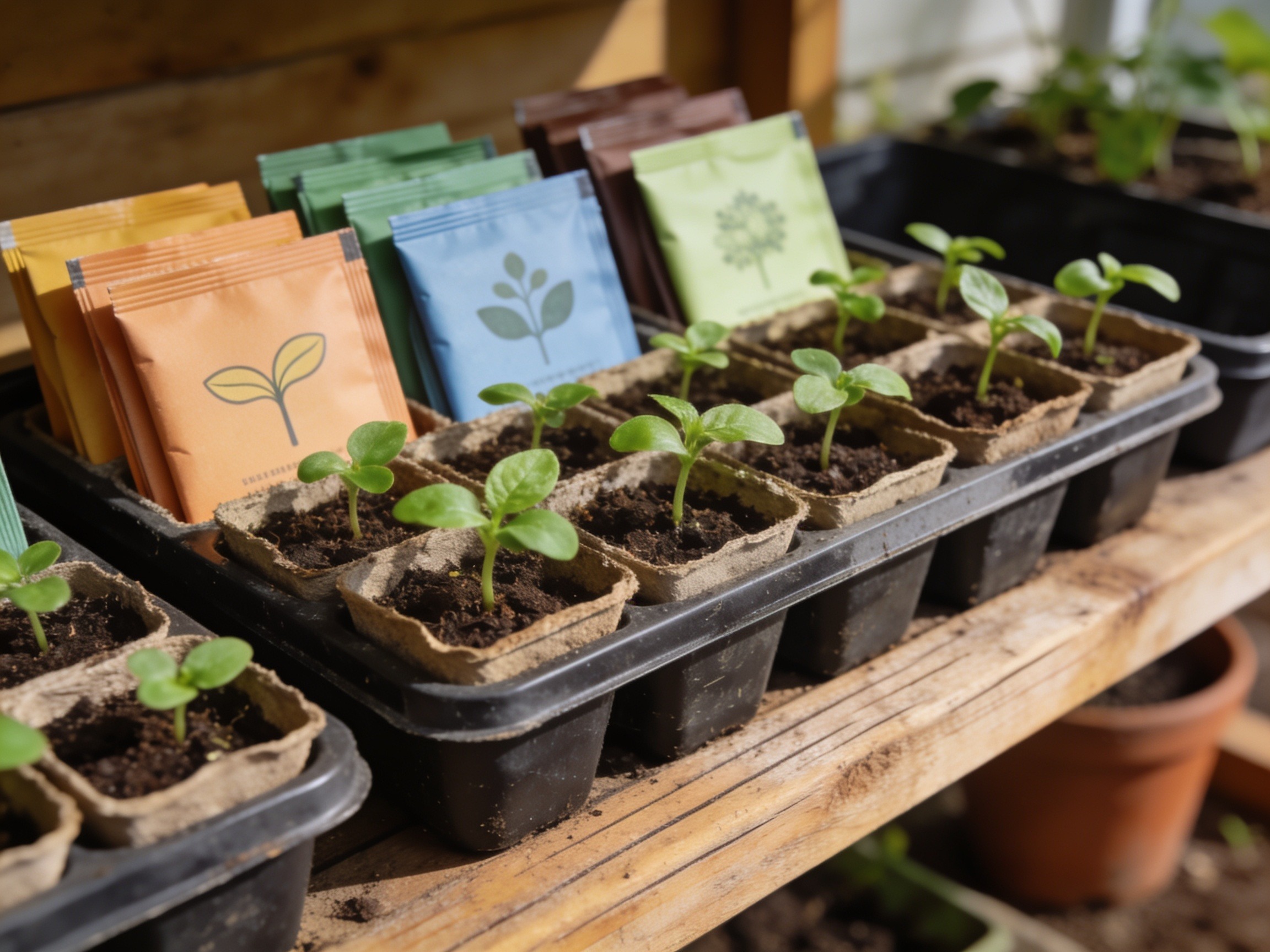
Growing from seed is the most affordable way to fill a garden, and it opens up far more variety than what's available as nursery starts — but success starts with understanding what each type of seed actually needs to germinate.
Reading the Seed Packet
Every seed packet lists the planting depth, spacing, and timing relative to your last frost date — details worth following closely, since they vary considerably between species. A rough rule of thumb is to plant a seed about twice as deep as its own width, though packet instructions should always take priority.
Some seeds, like lettuce, actually need light to germinate and should be surface-sown rather than buried.
Keep seed-starting soil consistently moist but never soggy — a spray bottle gives more control over moisture than a watering can for delicate young seedlings.
Storing Leftover Seed
Unused seed keeps best in a cool, dry, dark place — an airtight container in the refrigerator works well for most types. Viability drops over time, so it's worth doing a quick germination test on older seed before relying on it for a full planting.