Sandy Soil
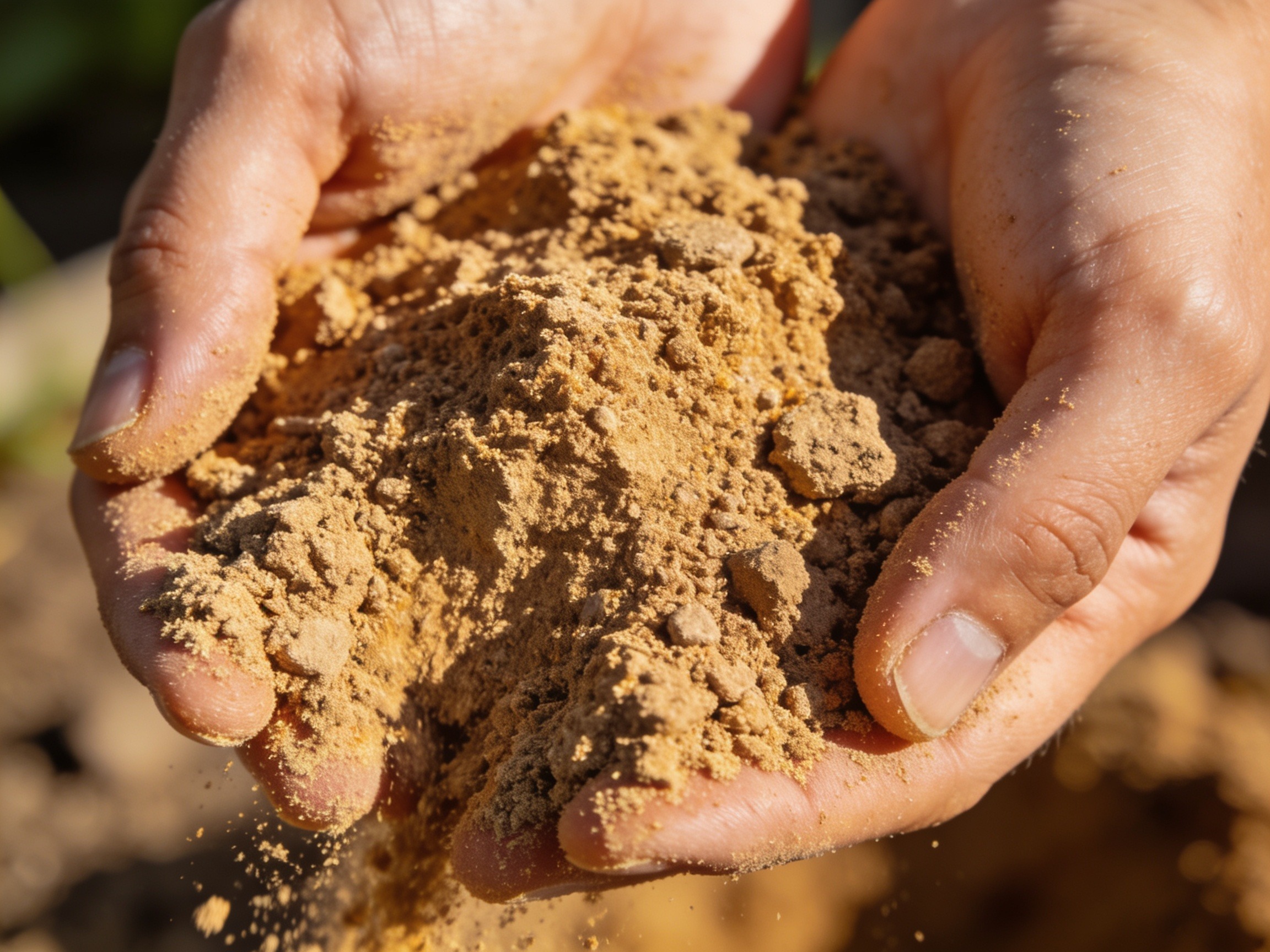
Sandy soil drains almost too well — water and nutrients pass through its large particles quickly, leaving plants thirsty and underfed unless the soil is amended.
Why Sandy Soil Struggles
Sand's large, loosely packed particles create big gaps that water and dissolved nutrients drain through quickly, rather than being held near plant roots the way finer-textured soils hold them. This means sandy soil needs both watering and feeding more frequently than loam or clay soil to keep plants adequately supplied.
On the plus side, sandy soil warms up quickly in spring and rarely stays waterlogged, which some plants — particularly Mediterranean herbs and many succulents — actually prefer.
Working in 2 to 3 inches of compost annually is the single most effective long-term fix for sandy soil, gradually improving its ability to hold both water and nutrients.
Choosing Plants That Work With It
Lavender, rosemary, sedum, and many native prairie grasses tolerate sandy soil's fast drainage well, making them lower-maintenance choices than plants that prefer consistently moist conditions. Mulching heavily also helps sandy soil retain the moisture it would otherwise lose quickly.