Russian sage brings a silvery, airy haze of tiny lavender-blue flowers to the back of the border, its finely cut, aromatic gray-green foliage releasing a sage-like scent when brushed.
Native to the dry hillsides of Central Asia rather than Russia, this shrubby perennial is nearly indestructible once established, tolerating heat, drought, and poor soil that would defeat most flowering plants.
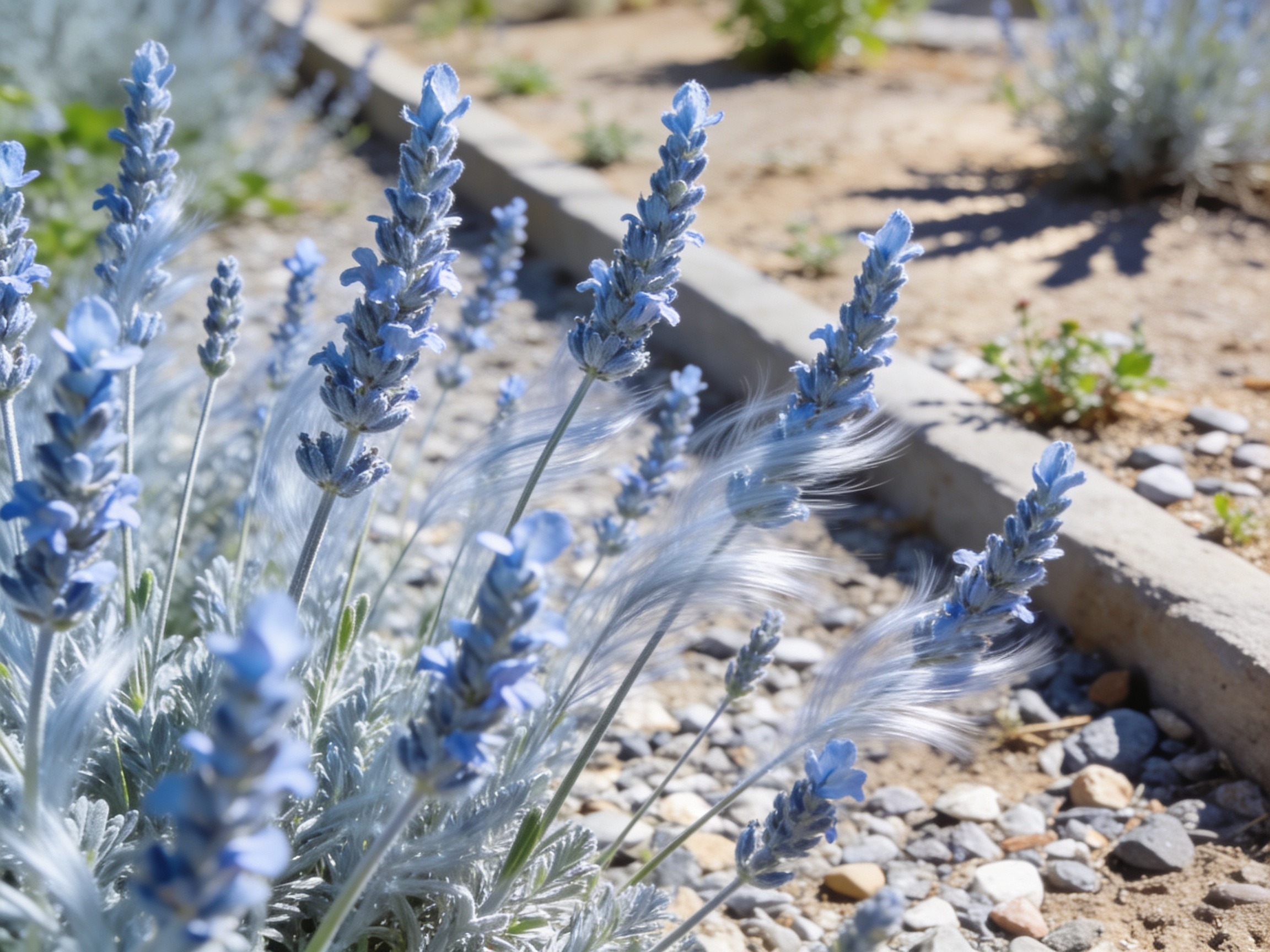
Russian sage's soft, misty haze of blue is often associated with calm and clarity, and along with true sage it shares folk associations with wisdom and protection passed down through the wider Salvia family.
Give Russian sage full sun and lean, sharply drained soil — it struggles far more in wet, rich ground than in poor, dry conditions. Cut plants back hard to a few inches in early spring, since flowers form on new growth. Once established, it needs almost no supplemental water and shrugs off both heat and deer.
Russian sage is grown primarily for ornamental use, though its aromatic foliage, sharing chemical compounds with true sage, has occasionally been used in dried arrangements and potpourri for its herbal scent.