Pruning at the right time, with clean cuts, does more for a plant's shape and health than pruning often.
Match the Timing to the Bloom
Shrubs that bloom on new wood, like most roses and butterfly bush, are best pruned in late winter or early spring, before new growth starts. Shrubs that bloom on old wood, like lilacs and forsythia, should be pruned right after they finish flowering — pruning them in winter or spring cuts off the very buds that would have bloomed.
Make Clean Cuts
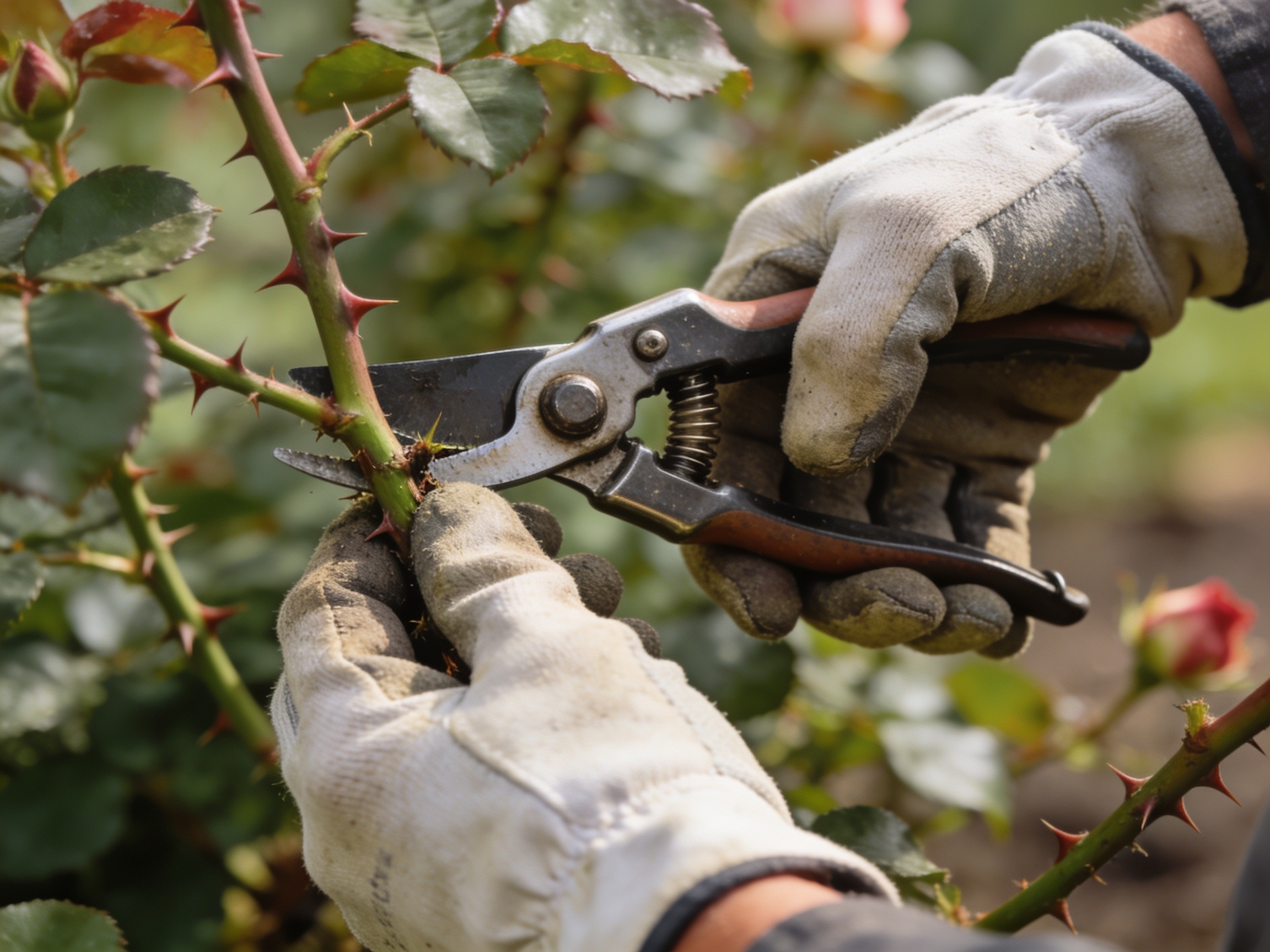
Always cut just above a bud or side branch, at a slight angle, using clean, sharp bypass pruners. Ragged or crushed cuts heal more slowly and are more vulnerable to disease and pests than a clean, precise cut.
Remove the Three D's First
Before shaping a plant, always remove anything dead, damaged, or diseased first. This alone often improves a plant's appearance and health dramatically, and it's a safe first step on almost any plant, regardless of its specific pruning schedule.
Don't Overdo It
Removing more than about a quarter to a third of a plant's growth in a single session can shock it and slow recovery. If a shrub needs significant renewal pruning, spreading the work over two or three seasons is usually gentler and safer than one drastic cut-back.