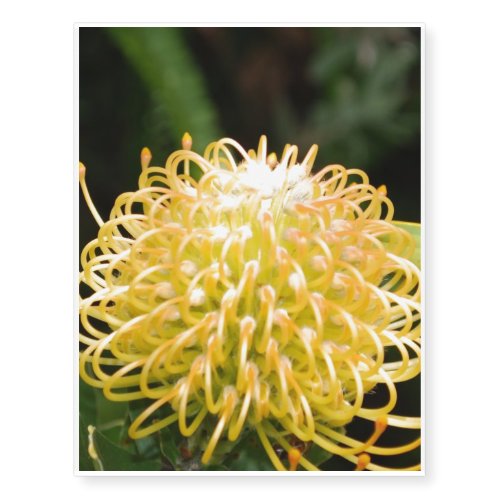
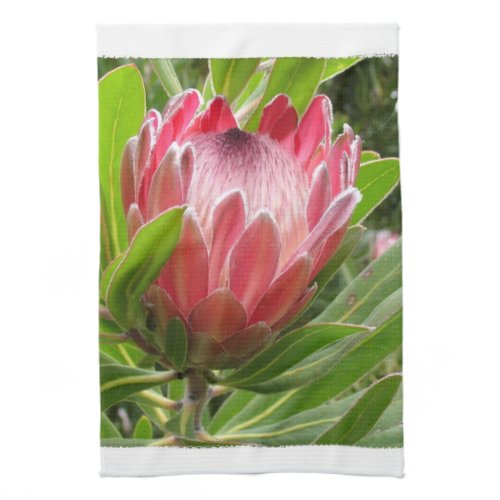
Protea produces some of the most architectural and dramatic blooms in the plant world, its large, cone-shaped flower heads surrounded by stiff, colorful bracts unlike anything found in a typical temperate garden.
Native to South Africa, protea is the national flower of that country and one of the oldest flowering plant families on Earth. Its exceptional vase life and bold, sculptural form have made it a prized addition to florist arrangements worldwide, even in regions far from its native range.
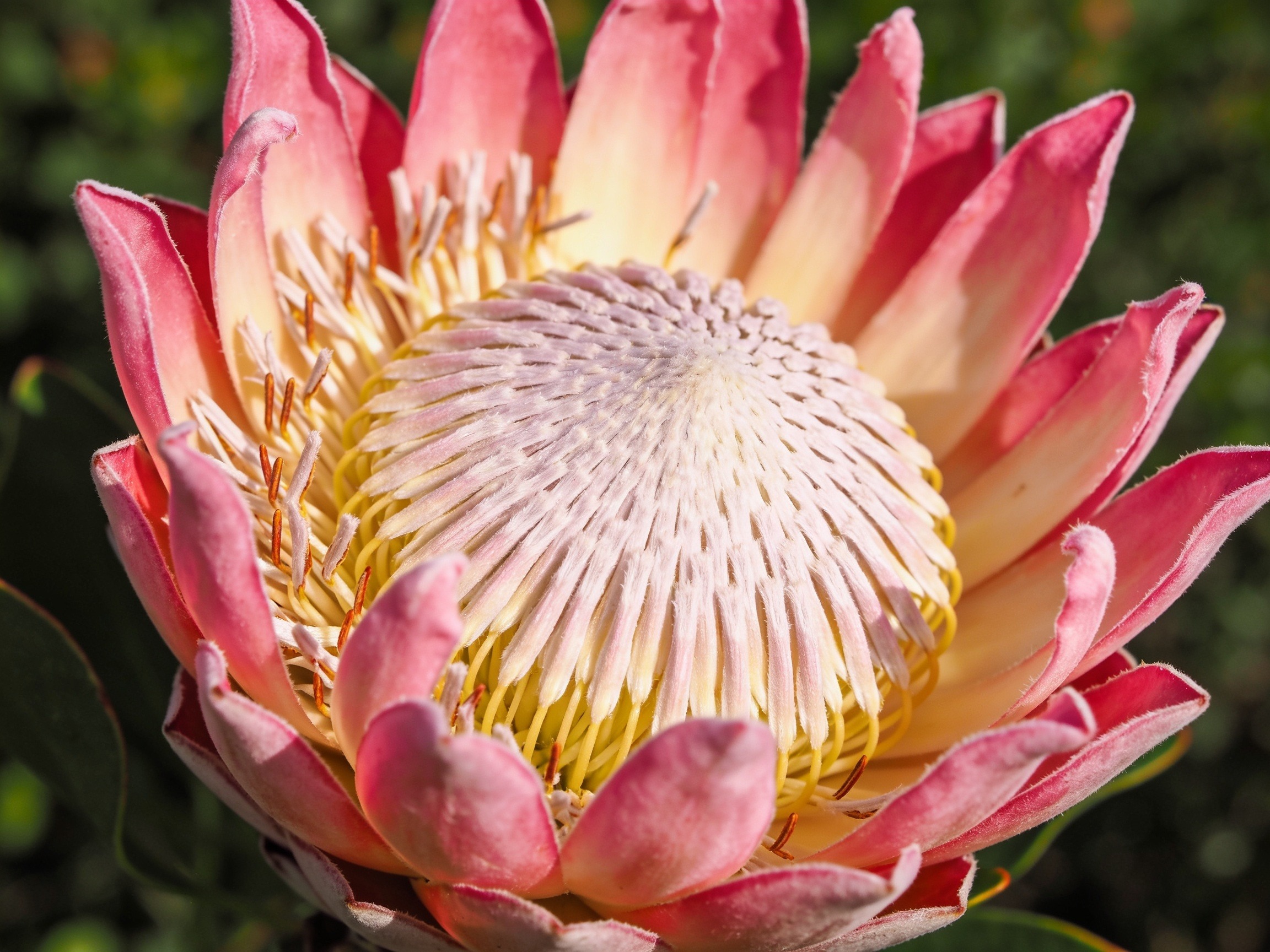
Protea symbolizes diversity, courage, and transformation, and as South Africa's national flower, it's become a powerful symbol of that country's resilience and change.
Protea needs full sun and exceptionally well-draining, nutrient-poor, slightly acidic soil, closely mimicking its native South African fynbos habitat — it's genuinely sensitive to standard garden fertilizer, particularly phosphorus. Outside its native climate, protea is typically grown in mild, dry regions or as a specialty greenhouse plant.
Protea has a minor history of use in traditional South African medicine, though today it's cultivated almost entirely for the global cut flower trade rather than for herbal purposes.