Planting Perennial Flowers
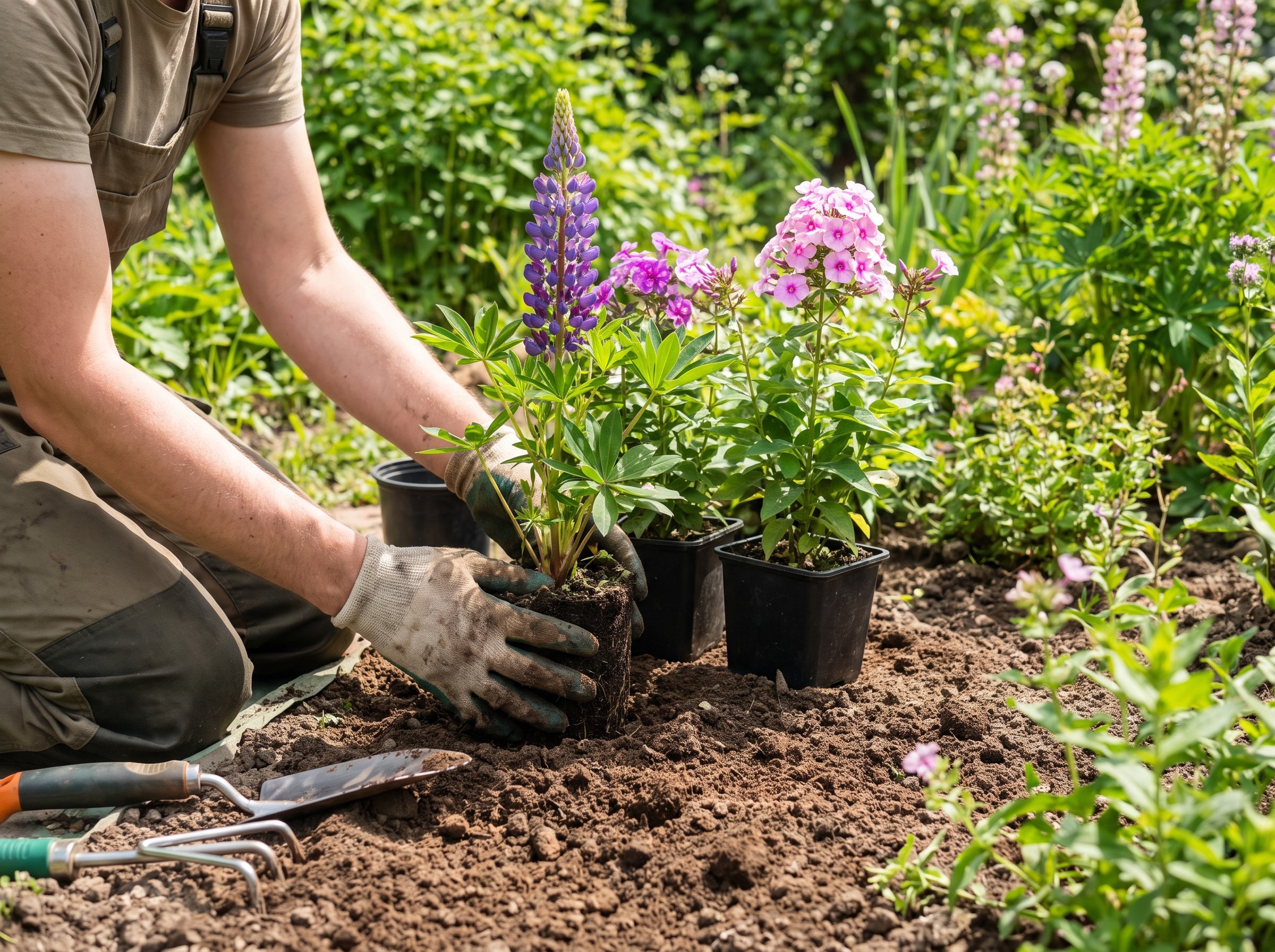
Perennials are one of the easiest ways to keep a garden looking good without constant replanting. They die back in the off-season, then return from the same roots when their time comes — often filling in even fuller than the year before.
Check Your Drainage First
Before committing to a bed, confirm the site drains well — perennials that sit in saturated soil for long stretches struggle. A simple test: dig a hole, fill it with water, and see how long it takes to drain. If water is still standing after about 10 hours, plan to raise the bed rather than plant directly into it.
Choosing and Planting
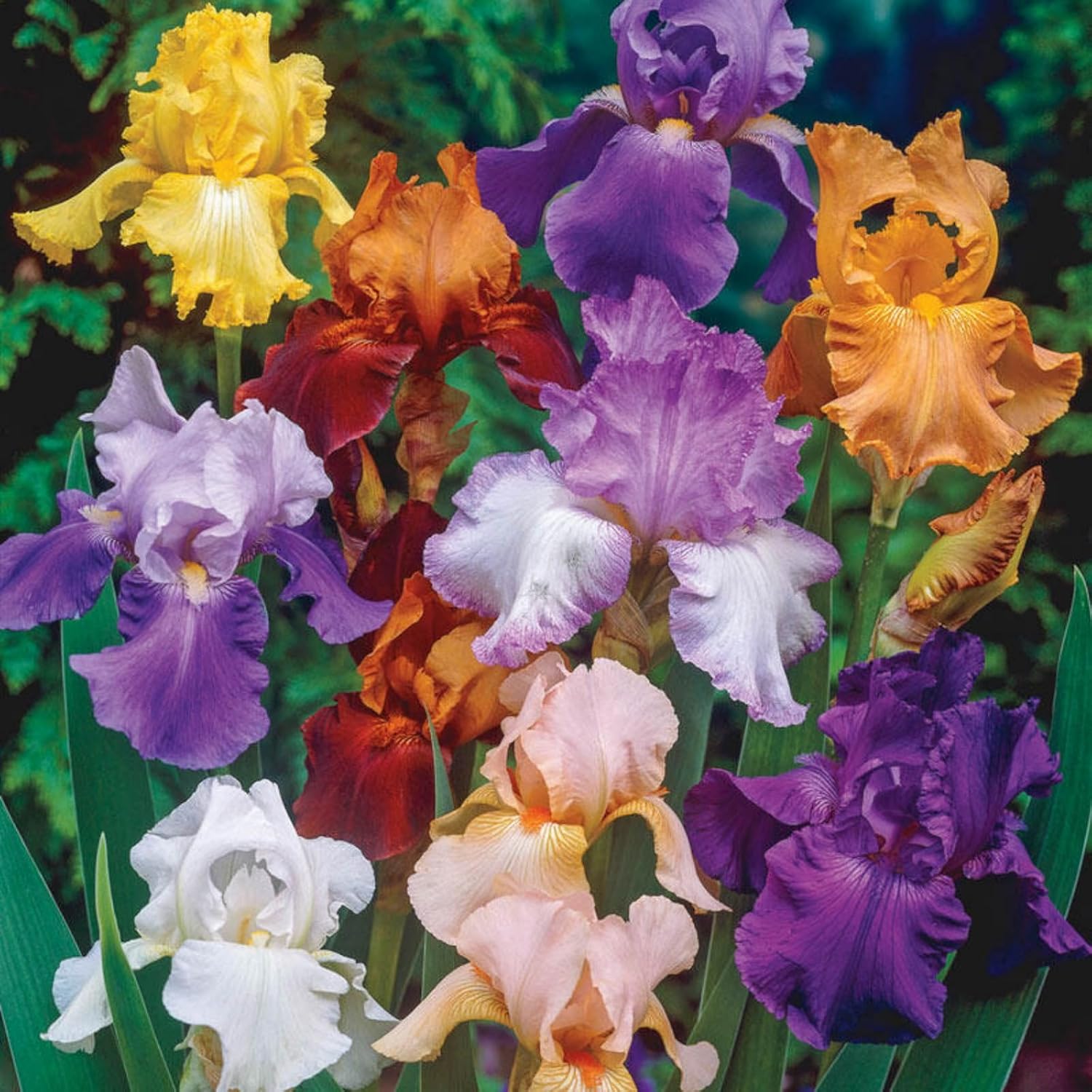
Aim for a mix of varieties that bloom at different points in the season, so the bed never goes fully quiet. A layer of mulch after planting cuts down on both weeding and watering, and it's worth going easy on fertilizer once plants are established — most perennials do fine on their own once they're settled in.
When dividing an established clump to plant elsewhere, separate it carefully along its natural sections rather than cutting through the middle — it recovers faster and transplants more reliably.