Perennials 101
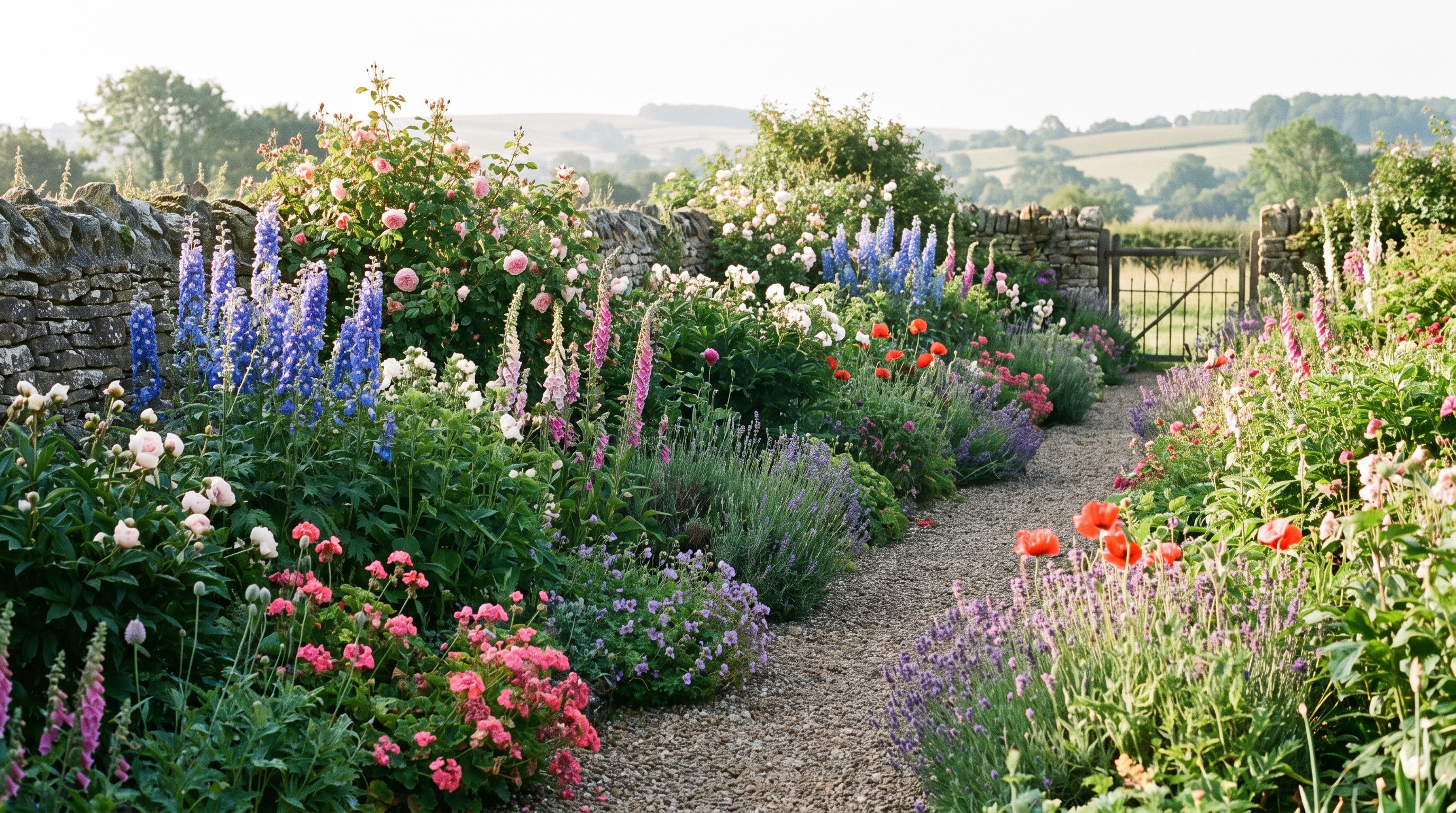
A perennial, technically, is any plant that lives more than two years. In garden terms, it usually means a flowering plant that blooms during the growing season, dies back, and returns the next year from the same roots. Most perennials take two or more years to go from seed to first bloom, and they come in enormous variety — size, shape, color, growth habit, even texture.
Herbaceous vs. Woody Perennials
There are two broad types. Herbaceous perennials — coneflowers and hostas among them — die back to the soil each year after flowering, then regrow from the roots in spring. Woody perennials, like shrub roses and lilacs, keep a permanent woody structure above ground that simply grows larger each season. Most gardens benefit from a mix of both, plus varieties that bloom in different seasons, so something is always in flower.
Choosing a Planting Site
Because perennials can live for decades, it's worth planning ahead. Most prefer full sun, though a number of shade-tolerant varieties exist for the parts of a yard that see less light. Soil matters just as much: clear out debris and weeds, turn the bed over well, and work in compost or aged manure — perennials, like most plants, want soil that drains well rather than staying waterlogged.
Plant shorter perennials toward the front of a bed and taller ones toward the back, so every bloom stays visible. Most perennials can also be divided and propagated by section — the new plant keeps the parent's characteristics and often flowers in its very first year.