Perennial Herbs
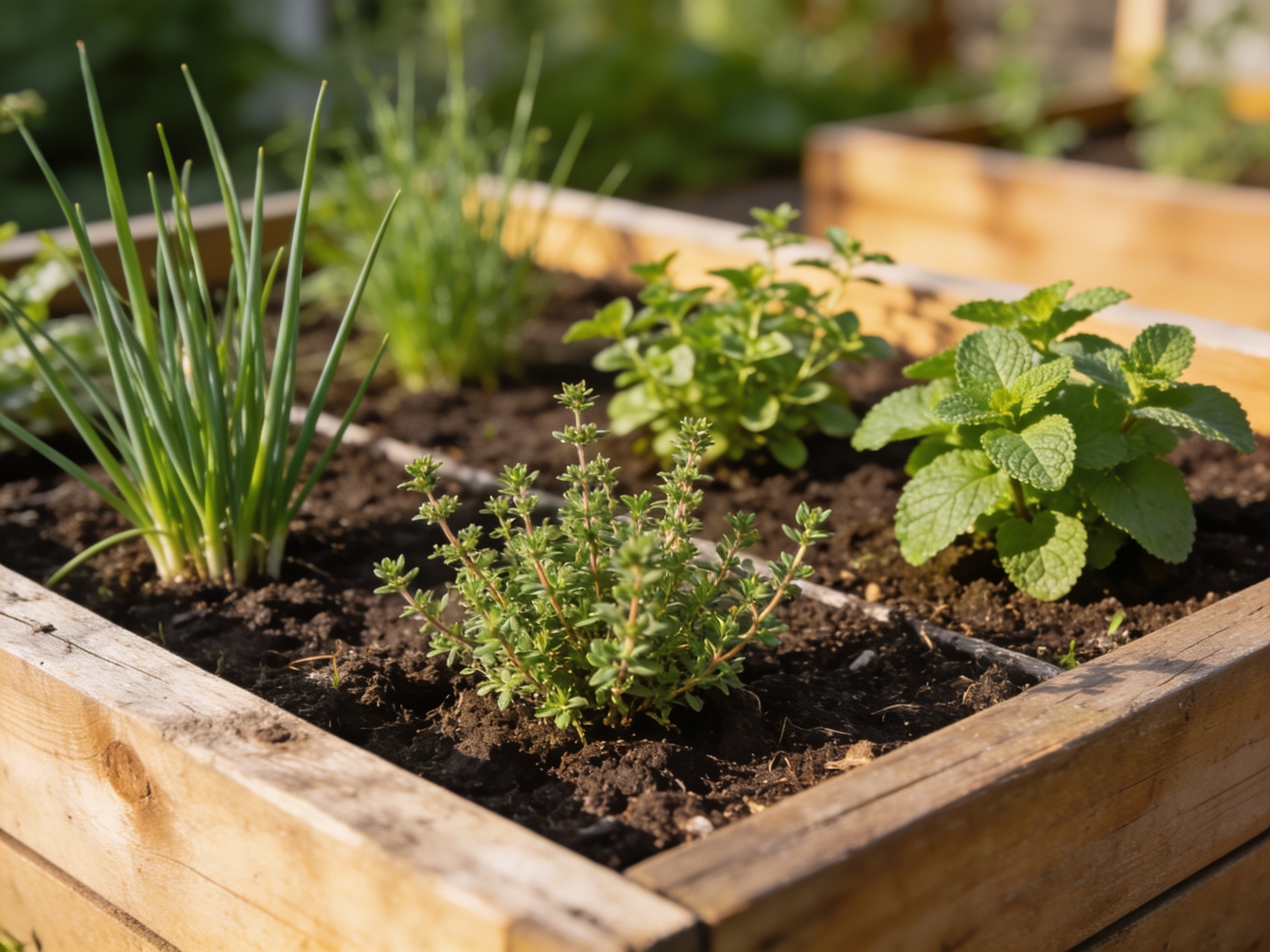
Every good cook knows fresh herbs make the meal — and growing perennial varieties means that fresh supply comes back on its own, year after year.
Getting Started
Start seeds indoors over winter in peat pots or seed starters, then keep seedlings inside until the danger of frost has passed. Herbs generally want a well-drained spot with 5 to 6 hours of daily sun — start with a small bed and expand it a bit each year rather than committing to a large plot all at once. Working compost into the soil beforehand adds nutrients that help the whole bed get established.
What to Plant
Oregano, chives, mint, thyme, lavender, and rosemary are all reliable perennial choices, and most will come back for years, though some benefit from replanting roughly every three years. Round out the bed with a few annual herbs too — they'll go to seed before dying back, and saving that seed is an easy way to grow next year's plants for free or give as gifts. Check your hardiness zone (your county extension office can tell you if it's not obvious) and pick varieties suited to your actual climate rather than ones built for a warmer region.
Herbs serve more than the kitchen — many are just as useful dried for aromatherapy or traditional medicinal use as they are fresh in a recipe.