Organic Gardening
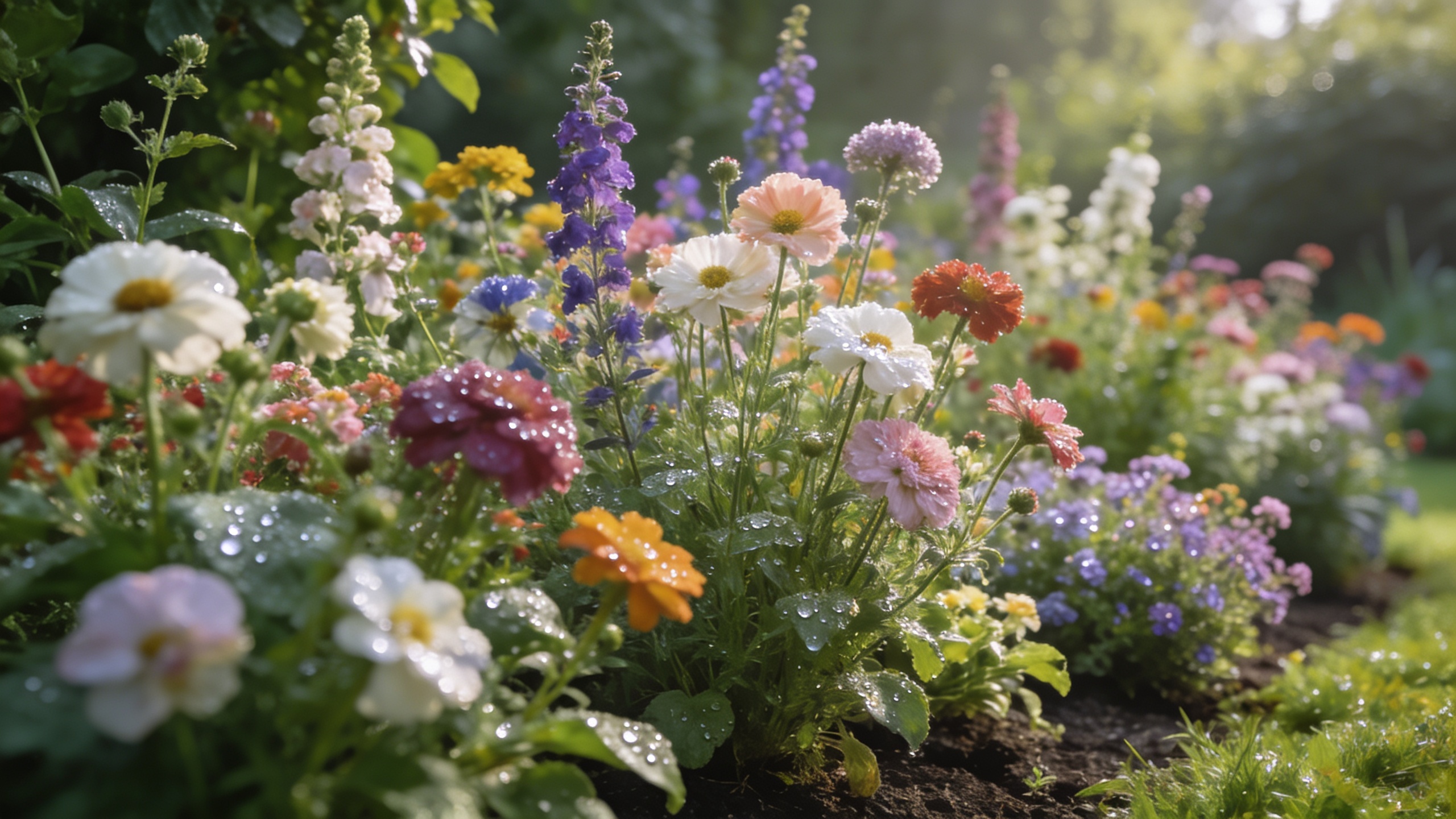
Organic gardening means growing flowers, shrubs, fruits, and vegetables without synthetic fertilizers or chemical pesticides — and it comes down to one central idea: build healthy soil, and the rest of the garden takes care of itself.
Start With the Soil
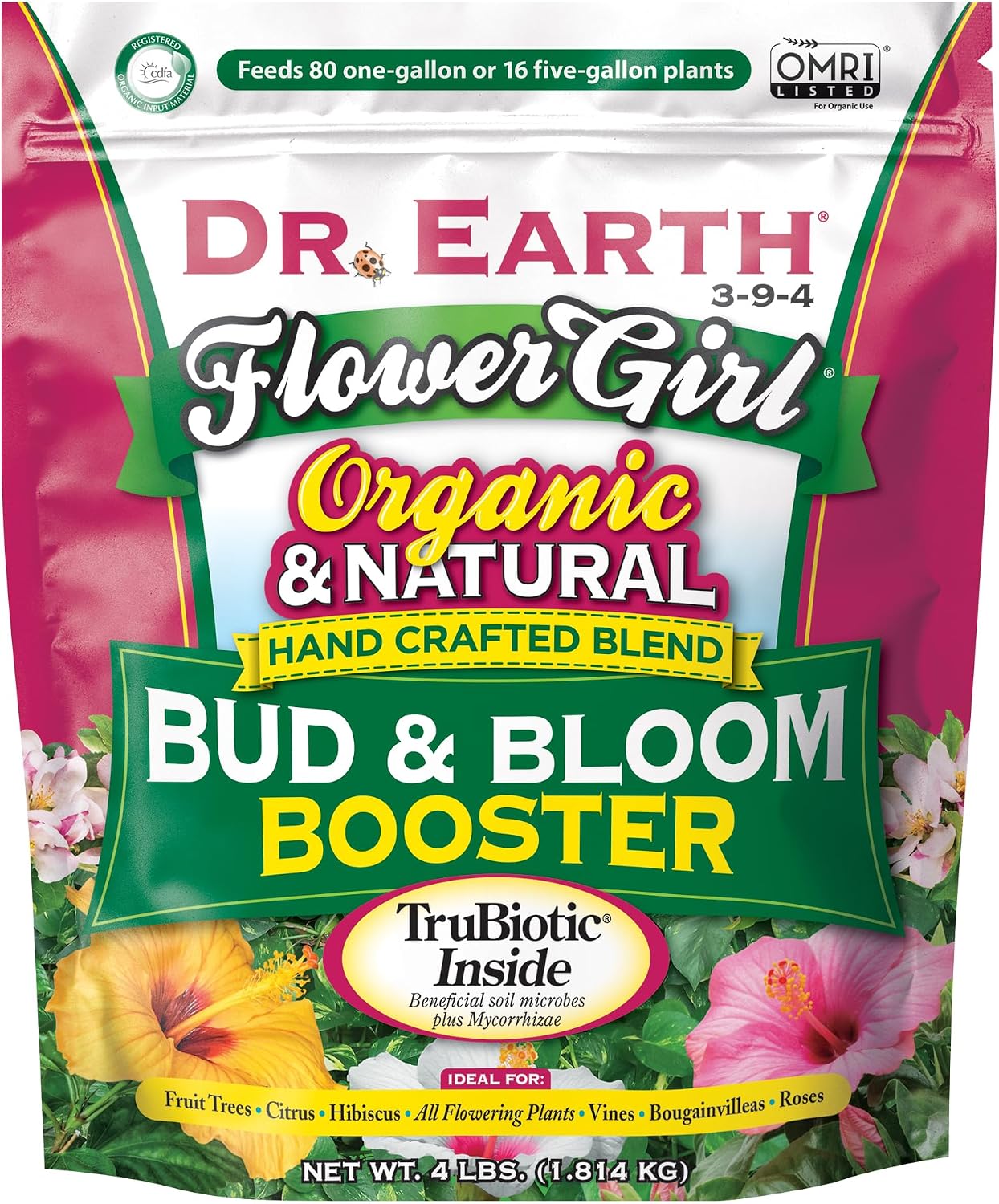
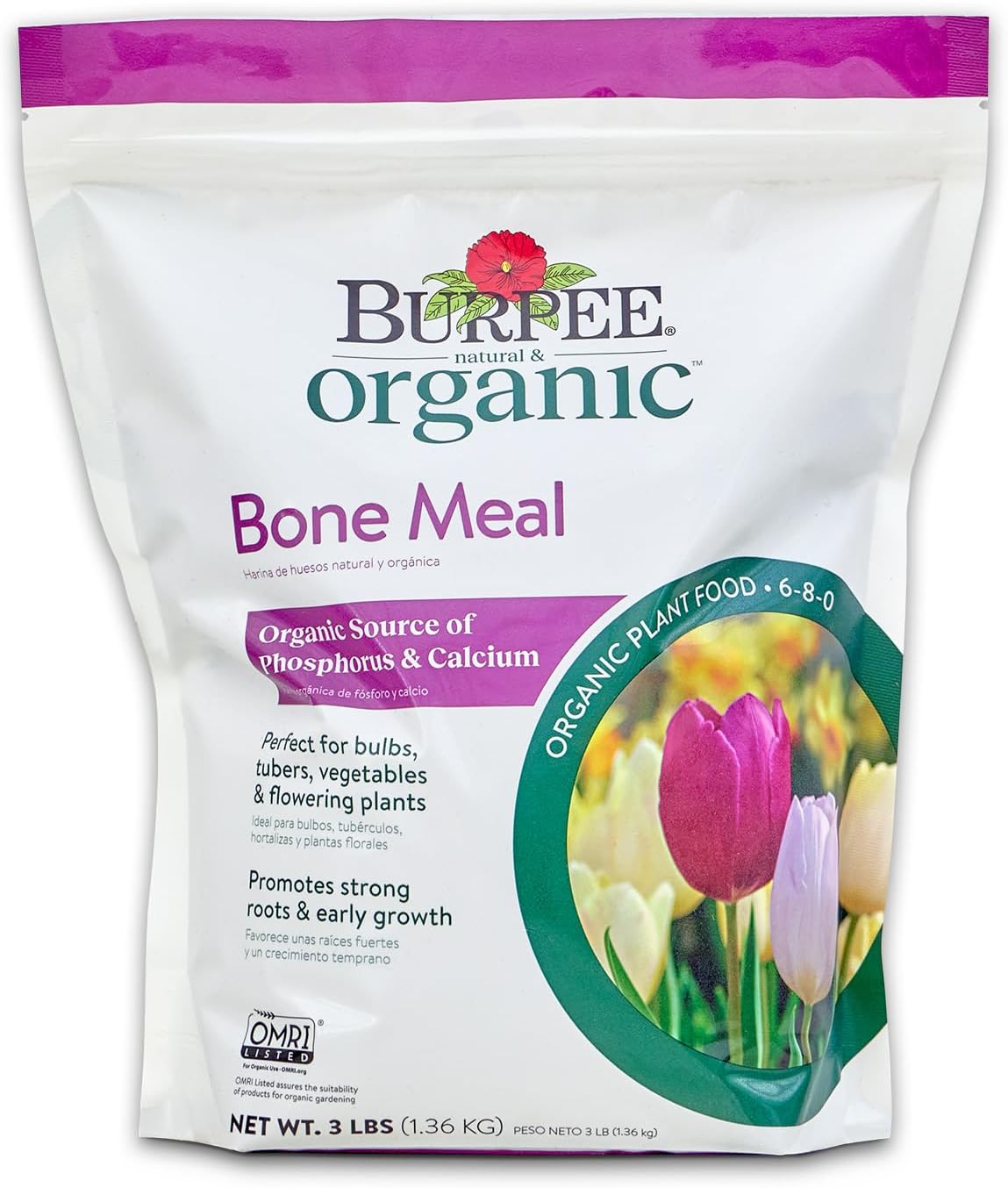
A soil test kit is the standard starting point — it tells you nutrient levels, pH, and drainage before you add anything. From there, compost is the workhorse: aged manure, green cover crops, mulch, peat moss, and kitchen scraps all build soil health over time. Go easy on high-carbon material like straw, dry leaves, or sawdust on their own, since the microorganisms breaking them down can temporarily pull nitrogen away from your plants. Natural sources can fill in specific nutrients — fish or bone meal for nitrogen and phosphorus, granite dust or potash rock for potassium.
Let Nature Do the Pest Control
Weeds get pulled by hand rather than sprayed, and a layer of mulch or straw keeps most of them from surfacing in the first place. For insect pests, organic gardeners lean on natural predators — ladybugs, dragonflies, spiders, and praying mantises. Angelica, caraway, cilantro, coreopsis, dill, fennel, geraniums, and yarrow all help attract them.
Even organic-approved sprays can kill the beneficial insects doing your pest control for you — treat them as a last resort, not a first move.