Nasturtium
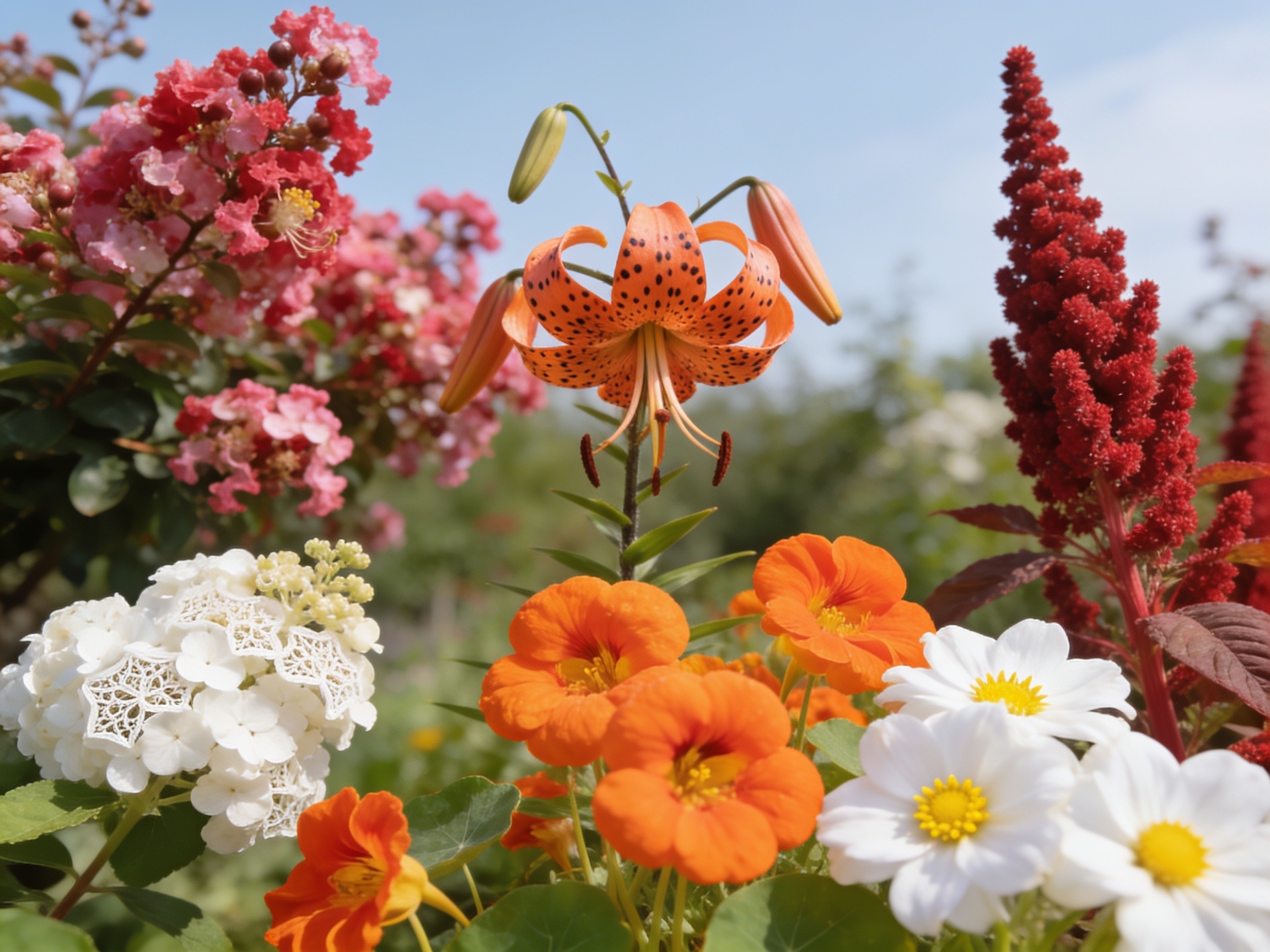
Nasturtium (Tropaeolum majus) is a fast, easy annual with round, lily-pad-like leaves and vivid trumpet-shaped flowers in shades of red, orange, and yellow — every part of the plant is edible, with a peppery bite similar to watercress. It's a favorite in vegetable gardens both for eating and for luring aphids away from more prized crops.
Growing Nasturtiums
Nasturtiums actually bloom best in poor, lean soil — rich, heavily fertilized ground pushes the plant toward lush leaves at the expense of flowers. Direct-sown after the last frost, they grow quickly into either a compact bush or a sprawling, climbing vine depending on the variety, and self-seed readily once established.
Culinary Uses
The peppery flowers and leaves both make a striking, flavorful addition to salads, and the unripe seed pods can be pickled as a homemade substitute for capers. Nasturtiums are also a classic "trap crop" — planted near cabbage or other brassicas, they draw aphids away from the plants a gardener actually wants to protect.
Pinch off any aphid-covered stems on a nasturtium acting as a trap crop rather than spraying — this keeps the aphids from spreading back to nearby vegetables.