MSG (Monosodium Glutamate)
MSG is the sodium salt of glutamic acid, an amino acid that occurs naturally in foods like tomatoes, parmesan, and mushrooms. First isolated from seaweed broth in 1908, it delivers savory, meaty depth — often called umami — without the strong flavor of the ingredients naturally rich in it.
Where It Comes From
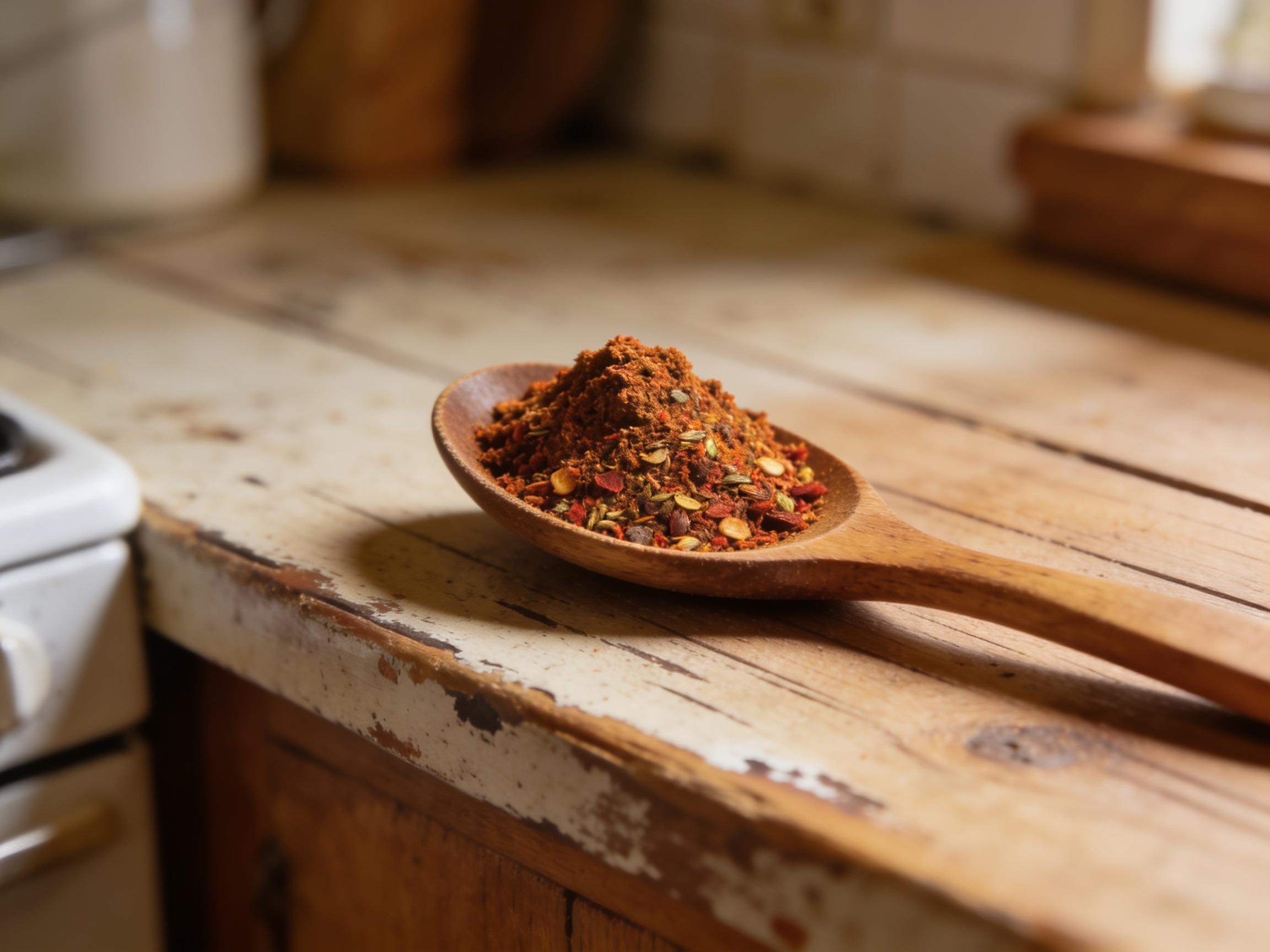
MSG isn't a garden crop — it's manufactured today primarily through fermenting starch, sugar beets, or molasses with specific bacteria, much like how vinegar or yogurt is produced. Every cook simply buys it as a purchased crystalline powder.
Culinary Uses
A small pinch of MSG rounds out the savory depth of soups, stir-fries, and marinades, and major food safety authorities including the FDA consider it safe for general consumption at typical culinary levels. It's especially common in East Asian cooking and increasingly used by Western chefs as a straightforward umami booster.
A little MSG can round out a dish that tastes flat even after adjusting salt and acid — try a small pinch stirred in near the end of cooking.