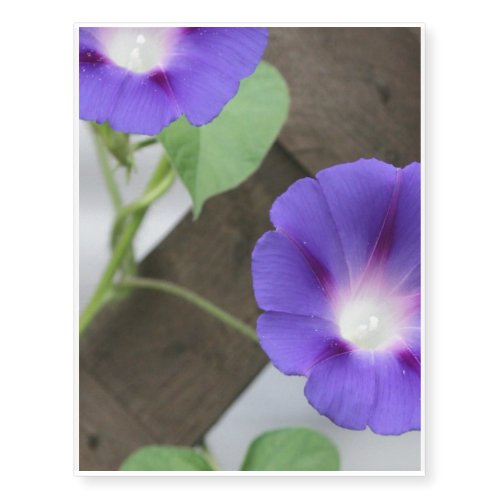
Morning glory unfurls its trumpet-shaped blooms fresh each morning, then closes them by afternoon — a fleeting daily display repeated all summer on a fast-climbing vine.
Native to Central America, morning glory has naturalized widely and become a favorite for quickly covering fences, trellises, and arbors. Its vigorous growth and prolific self-seeding mean a single planting can return reliably, sometimes a bit too enthusiastically, year after year.
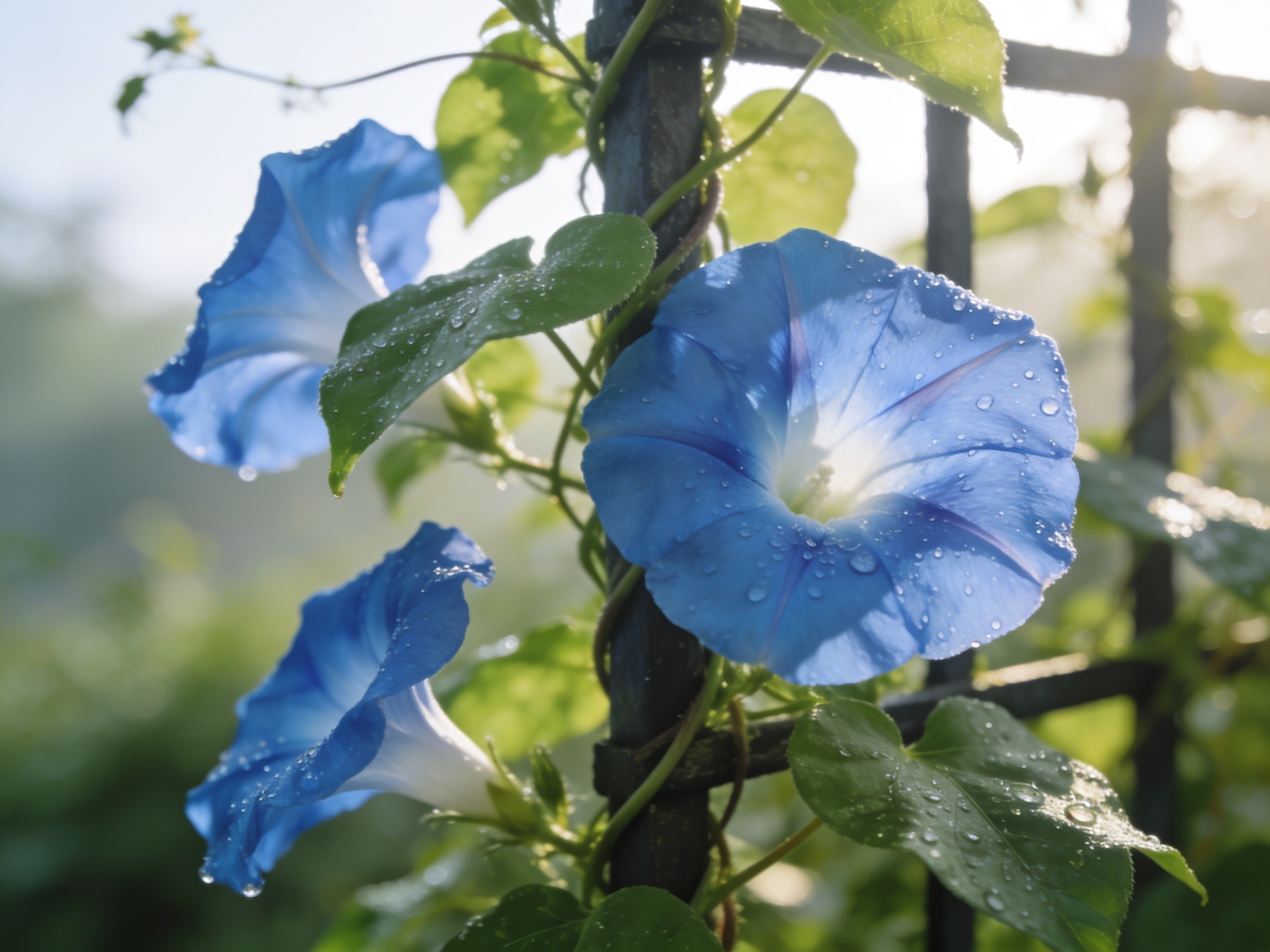
Morning glory symbolizes love that fades but returns, its brief daily bloom cycle long read as a metaphor for the fleeting yet renewing nature of affection.
Morning glory wants full sun and average, well-draining soil, and it climbs vigorously once given a trellis, fence, or other support to grasp onto. Soaking seeds overnight before planting improves germination, and deadheading spent blooms can help control its enthusiastic self-seeding habit.
Morning glory seeds are toxic if ingested and have no history of safe culinary use — the plant should be grown strictly as a fast-growing ornamental climber and kept away from children and pets.