Monocarpic & Deciduous Perennials
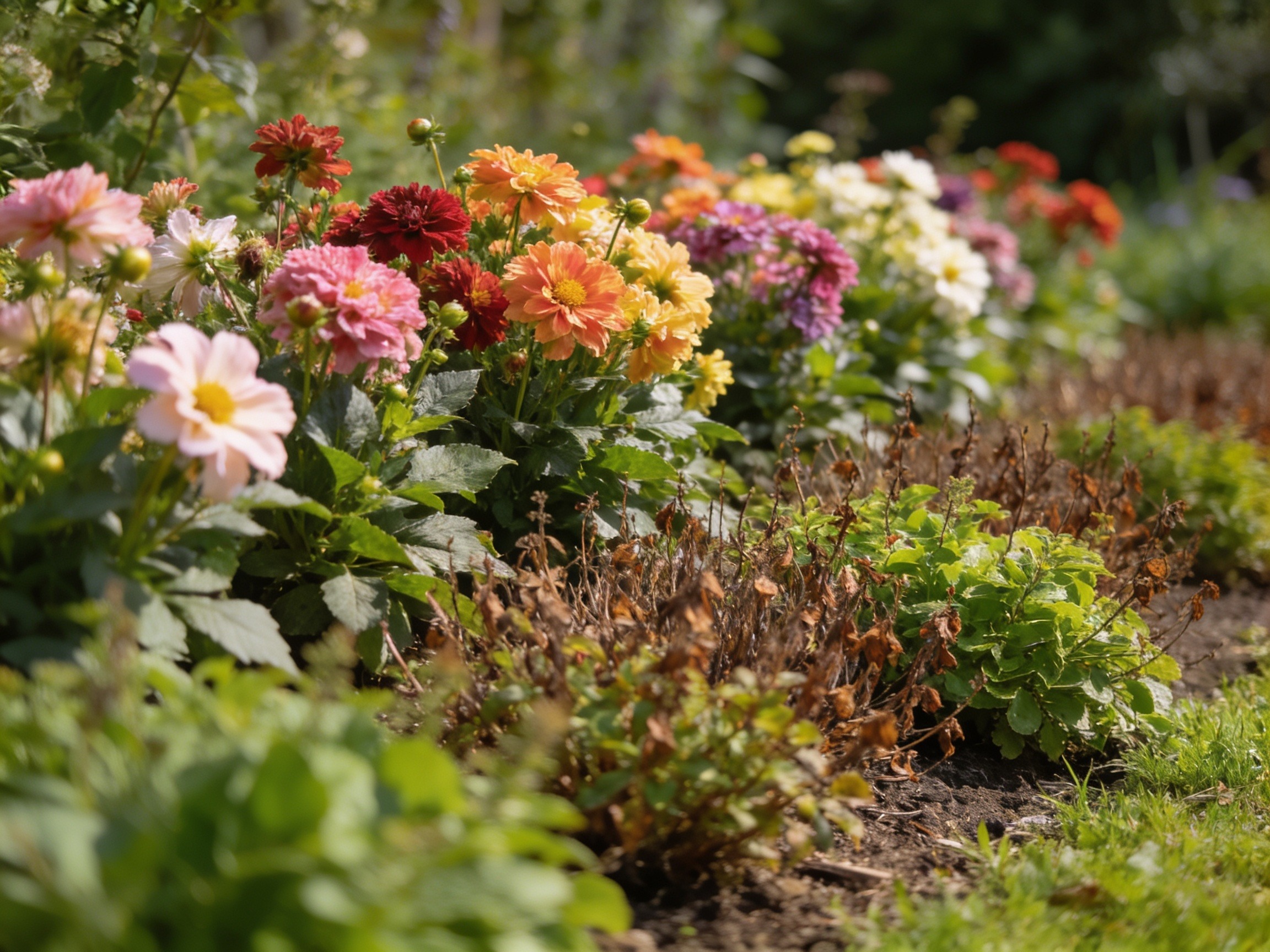
Wondered why a plant bloomed beautifully for weeks and now shows nothing but leaves? The answer comes down to which kind of perennial it is.
One Bloom or Many
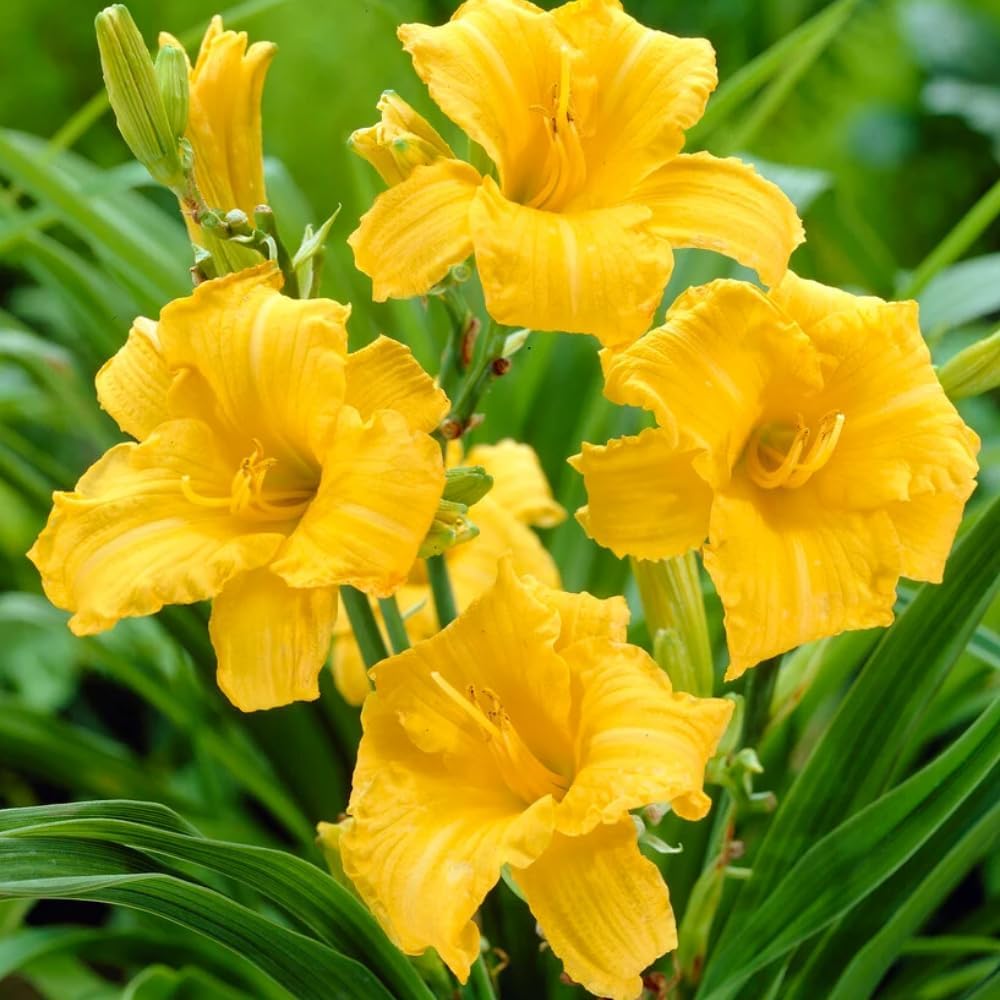
A perennial, by definition, lives two years or more, flowering once or repeatedly depending on the variety — bloom periods can run anywhere from a single week to a full month, and regular deadheading of spent flowers can stretch that further. Monocarpic perennials bloom exactly once in their lifetime and then die, while polycarpic varieties flower repeatedly across many seasons. Climate plays a role too: in consistently warm regions, plants tend to grow and flower nearly continuously, while distinct seasonal climates produce a more defined bloom-and-rest cycle.
Deciduous vs. Evergreen Perennials
Deciduous perennials — common examples include mint and goldenrod — die back to the ground in winter and flower again once warm weather returns, typical of temperate climates. In regions defined by wet and dry seasons rather than cold and warm ones, some perennials keep their foliage year-round and are classed as evergreens, with begonia and banana among the familiar examples. June is generally a good month to plant new perennials or trim overgrown ones back to encourage fresh growth and flowering — just plan on leaving them undisturbed for a few years afterward rather than transplanting again soon.
Mulch newly planted perennials right away — it promotes growth, holds in moisture, and keeps weeds from taking hold while the plant establishes.