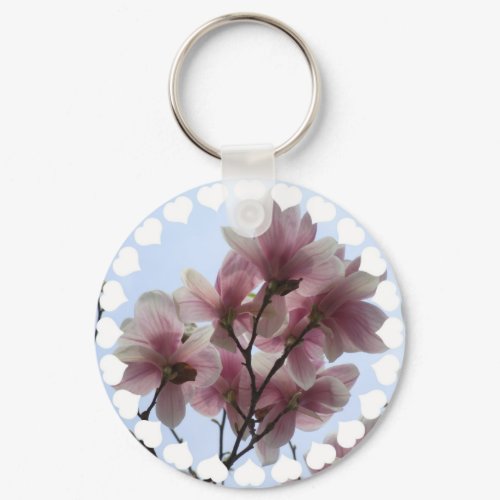
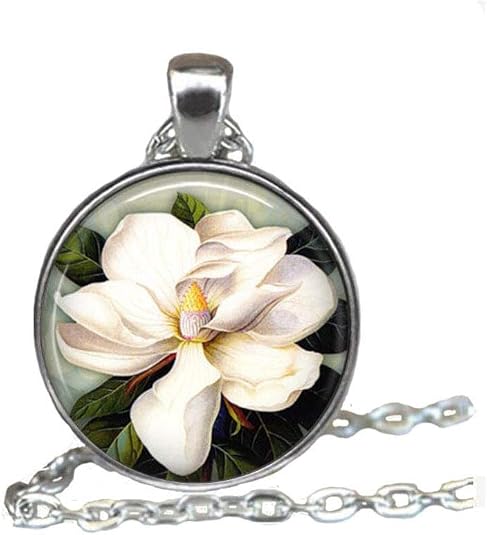
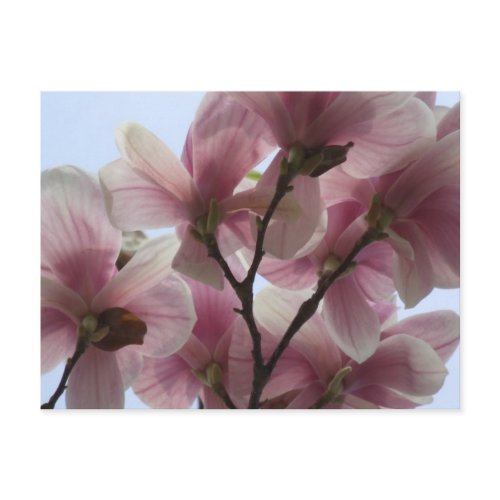
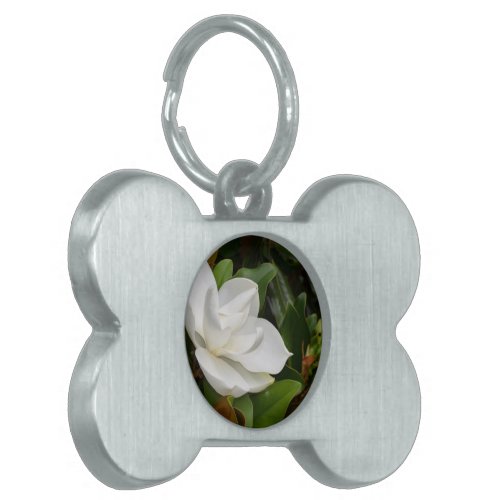
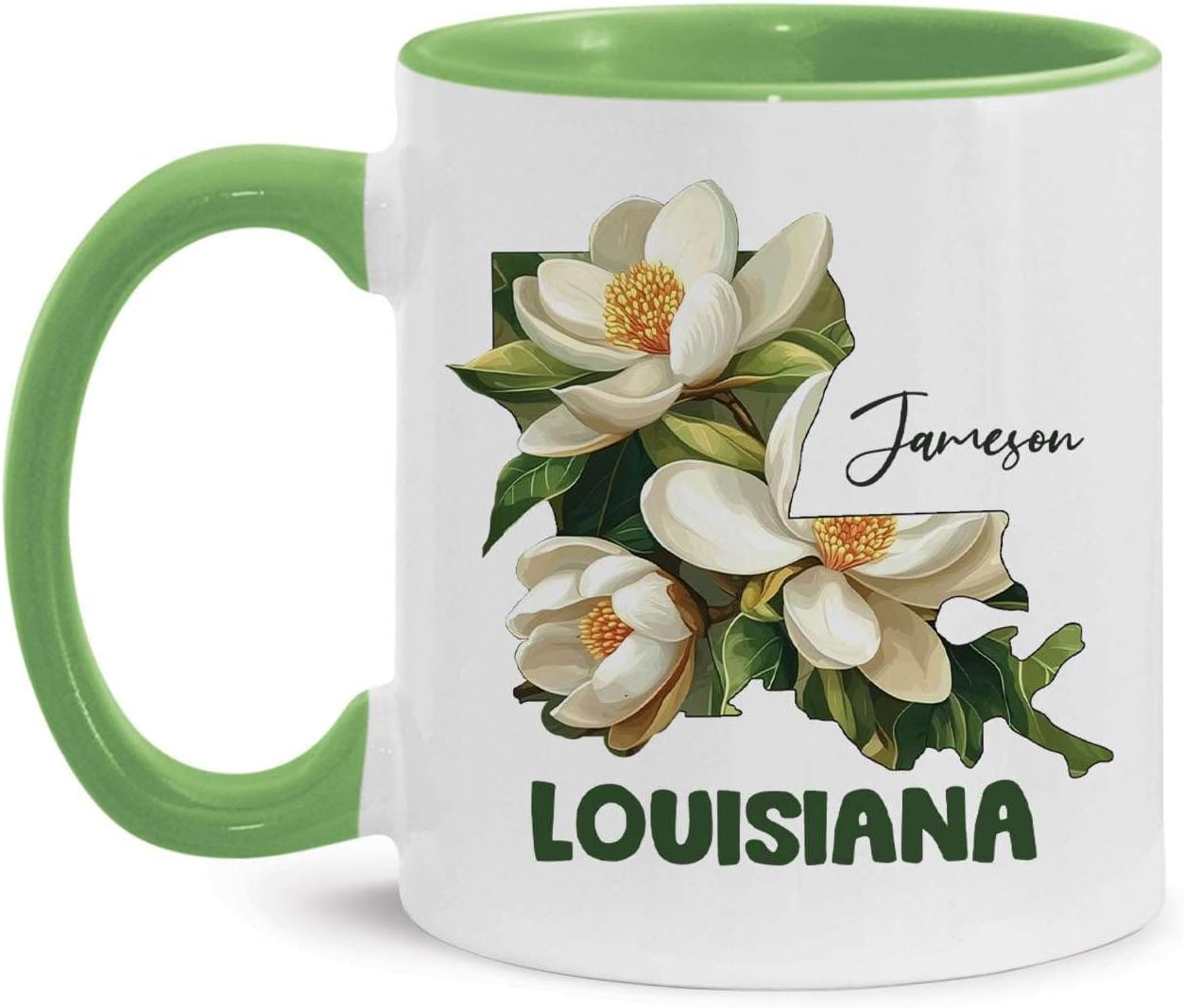
Magnolia produces some of the most ancient and enormous flowers of any garden tree, its large, waxy blooms predating bees in evolutionary history — early magnolias were pollinated by beetles.
Native to Asia and the Americas, magnolia includes both deciduous species that bloom dramatically before leafing out in spring, and evergreen Southern varieties known for their glossy foliage and intensely fragrant summer flowers. Fossil evidence suggests magnolias existed over 20 million years ago.
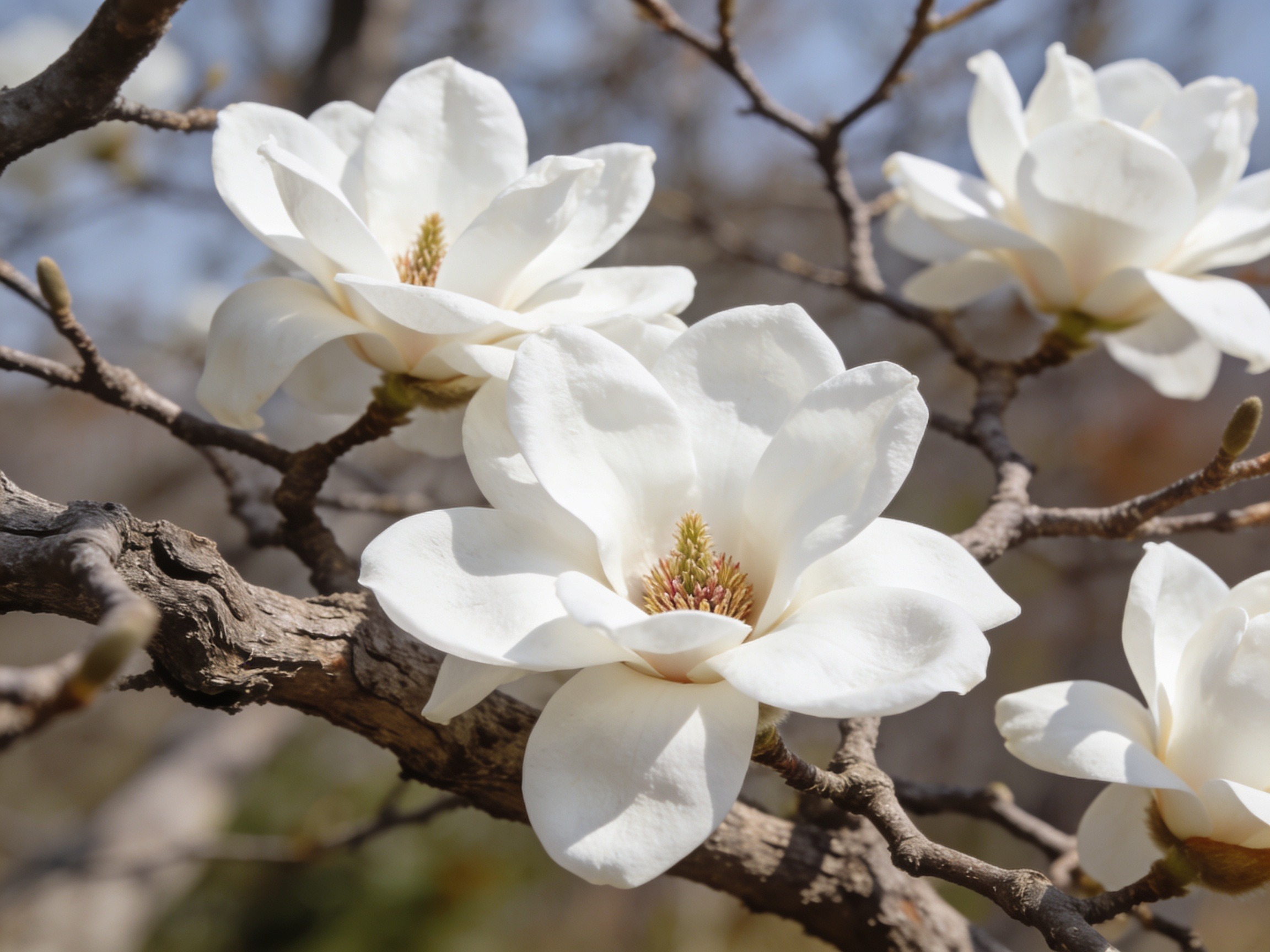
Magnolia symbolizes dignity, perseverance, and nobility of spirit, its ancient lineage and grand, timeless blooms reinforcing a sense of enduring beauty and strength.
Magnolia wants full sun to partial shade and rich, well-draining, slightly acidic soil, and it generally dislikes being moved once established due to its fleshy root system. Prune minimally and only right after flowering, since heavy pruning can significantly reduce the following year's bloom.
Magnolia bark has a long history of use in traditional Chinese medicine for anxiety and digestive support, and bark extracts remain a subject of ongoing herbal supplement research today.