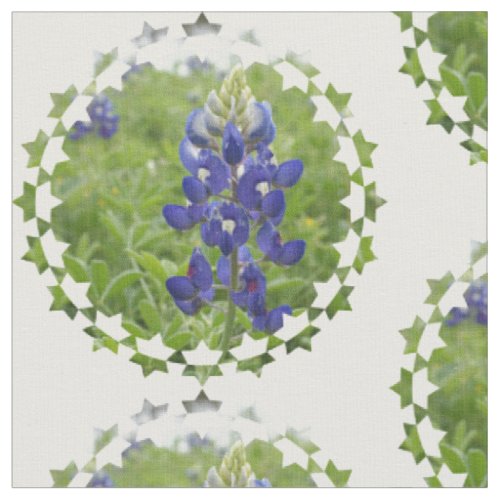
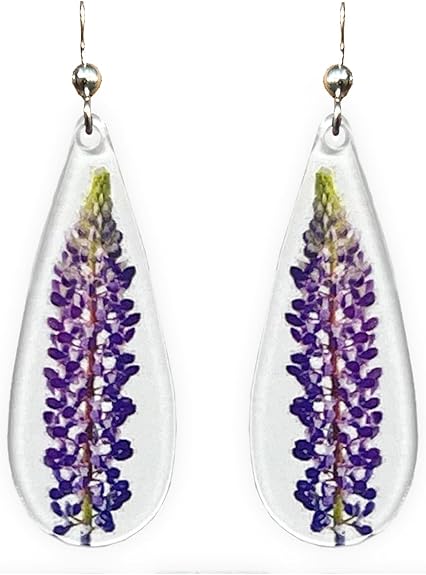
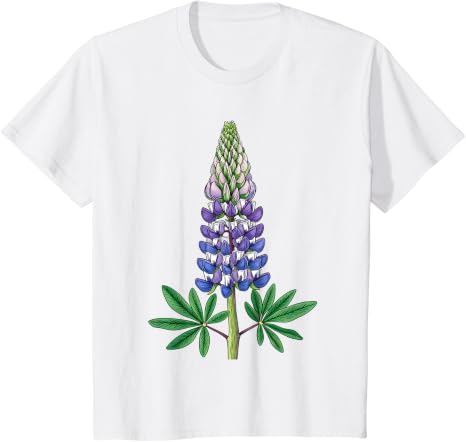
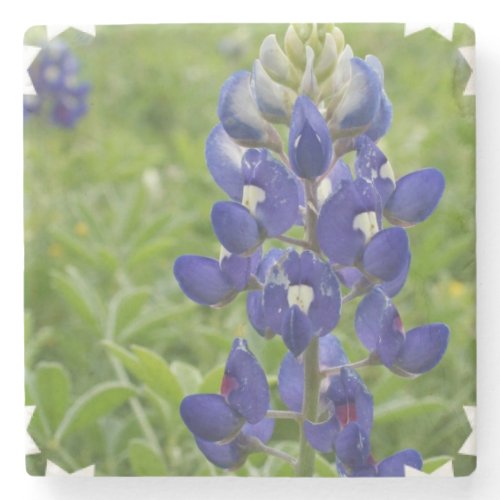
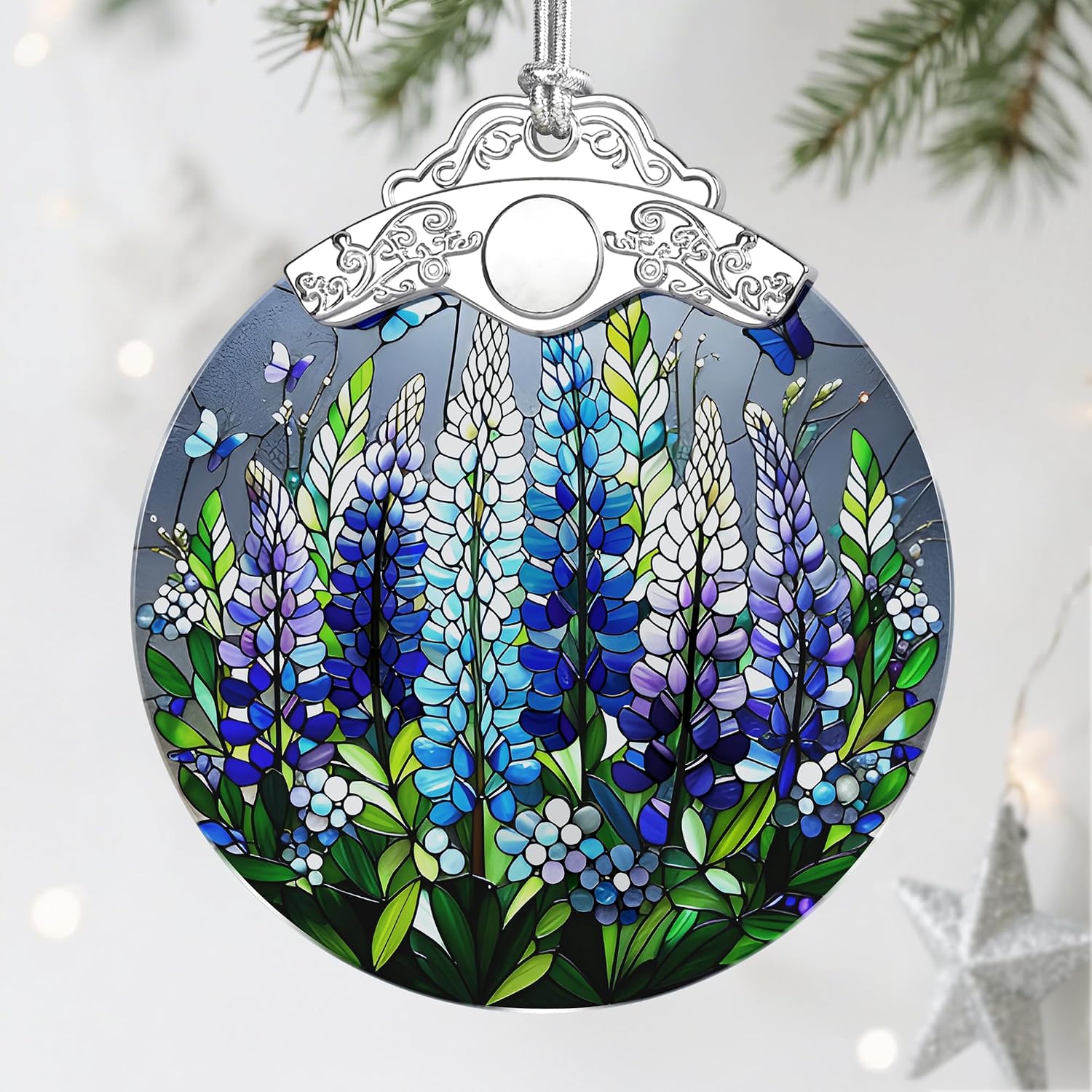
Lupine sends up dense, colorful flower spires above distinctive palm-shaped leaves, its striking form a signature sight in cottage gardens and roadside meadows alike.
Native to North America and the Mediterranean, lupine belongs to the legume family and, like other legumes, helps fix nitrogen in the soil as it grows. Its tall, colorful spires make a dramatic statement in early summer borders, often self-seeding to form naturalized colonies.
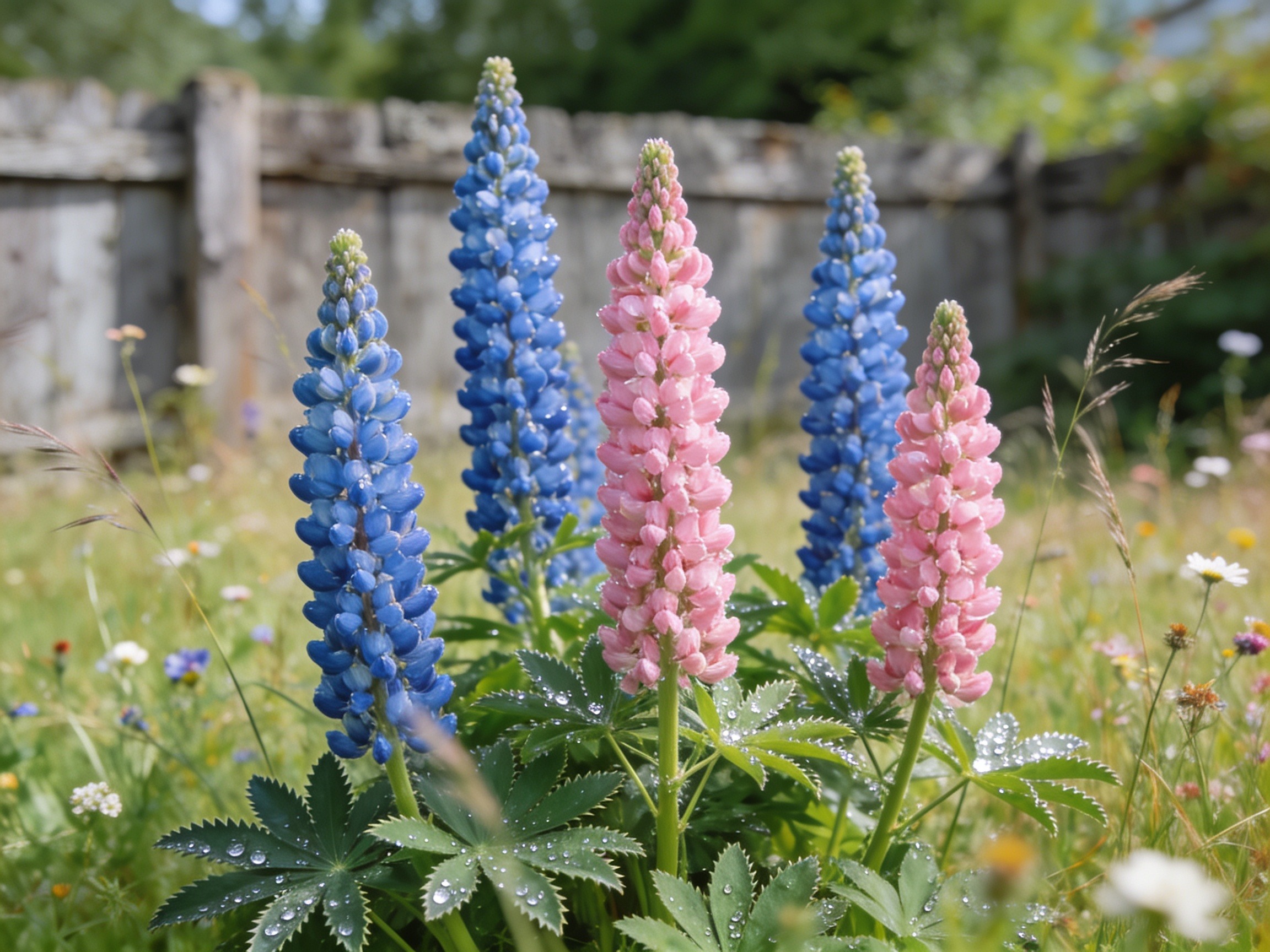
Lupine symbolizes imagination and admiration, its tall, reaching flower spikes long read as a symbol of aspiration and the pursuit of one's goals.
Lupine wants full sun and slightly acidic, well-draining soil, and it dislikes being transplanted once established due to its deep taproot. It performs best in regions with cool summers, often struggling or acting as a short-lived perennial in areas with intense summer heat.
Certain lupine species produce edible seeds after specialized processing to remove bitter alkaloids, used in some Mediterranean cuisines, though ornamental garden lupine should not be eaten and is grown strictly for its beauty.