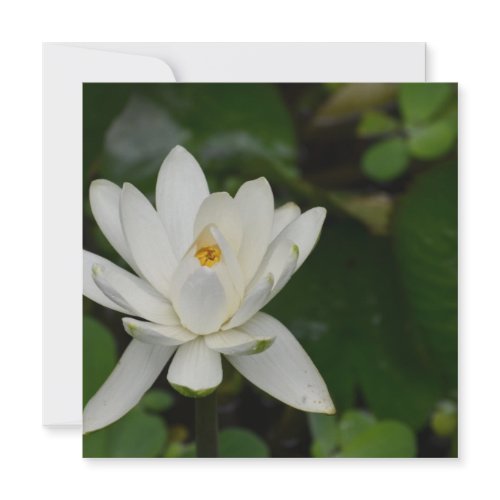
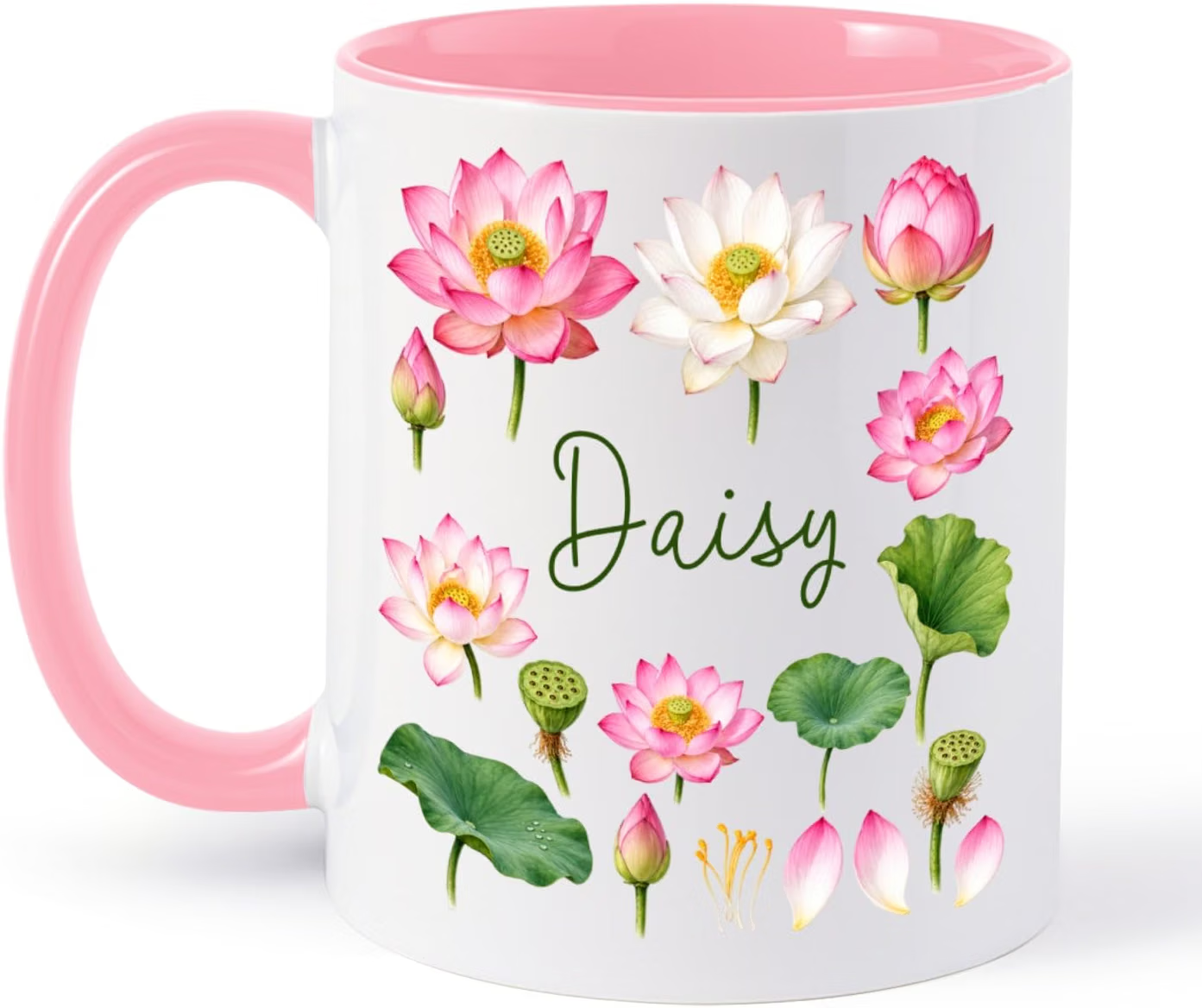
Lotus rises straight out of muddy pond water on a tall stem, unfurling a strikingly clean, symmetrical bloom that has made it one of the most spiritually significant flowers across multiple cultures.
Native to Asia and Australia, lotus is an aquatic perennial that grows from rhizomes buried in pond mud, and it's held sacred in Buddhism and Hinduism as a symbol of purity rising above murky circumstances.
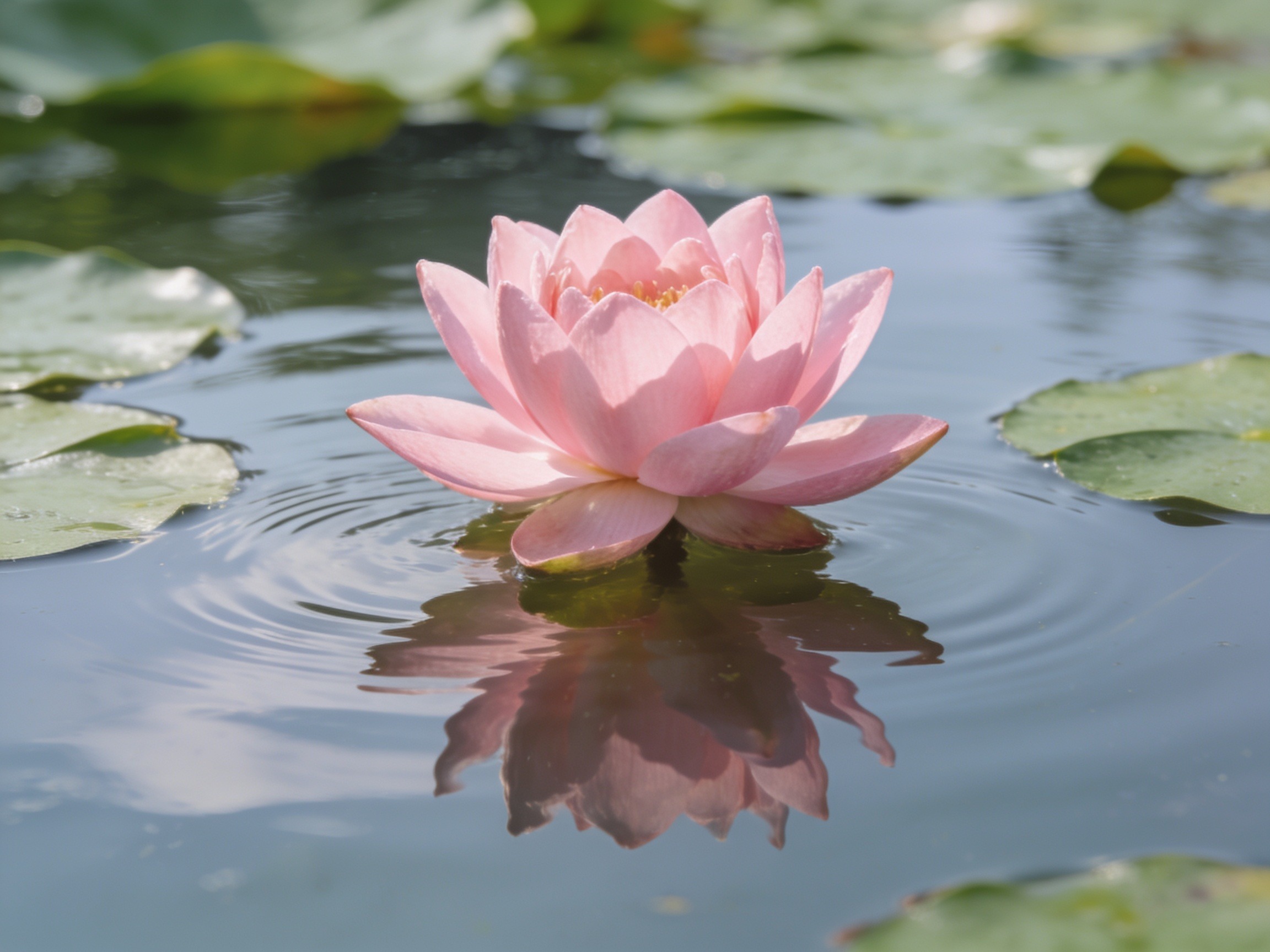
Lotus symbolizes purity, enlightenment, and rebirth in Buddhist and Hindu tradition, prized for rising unstained from muddy water each morning.
Lotus needs a container or pond with several inches of standing water over rich mud, plus full sun for at least six hours a day. Tubers are planted in spring once water temperatures warm, and the plant goes fully dormant in winter in cold climates.
Lotus root, seeds, and leaves are all edible and widely used in East and South Asian cuisine, and various parts of the plant appear in traditional medicine for their believed calming and digestive benefits.