Leopard's bane brightens the early spring garden with cheerful, daisy-like yellow blooms, flowering well before many other perennials have even begun to stir.
Native to Europe, leopard's bane gets its dramatic common name from an old, largely unfounded belief that its roots could poison large predators. In the modern garden, it's valued simply as a reliable, cheerful early bloomer that pairs beautifully with spring bulbs.
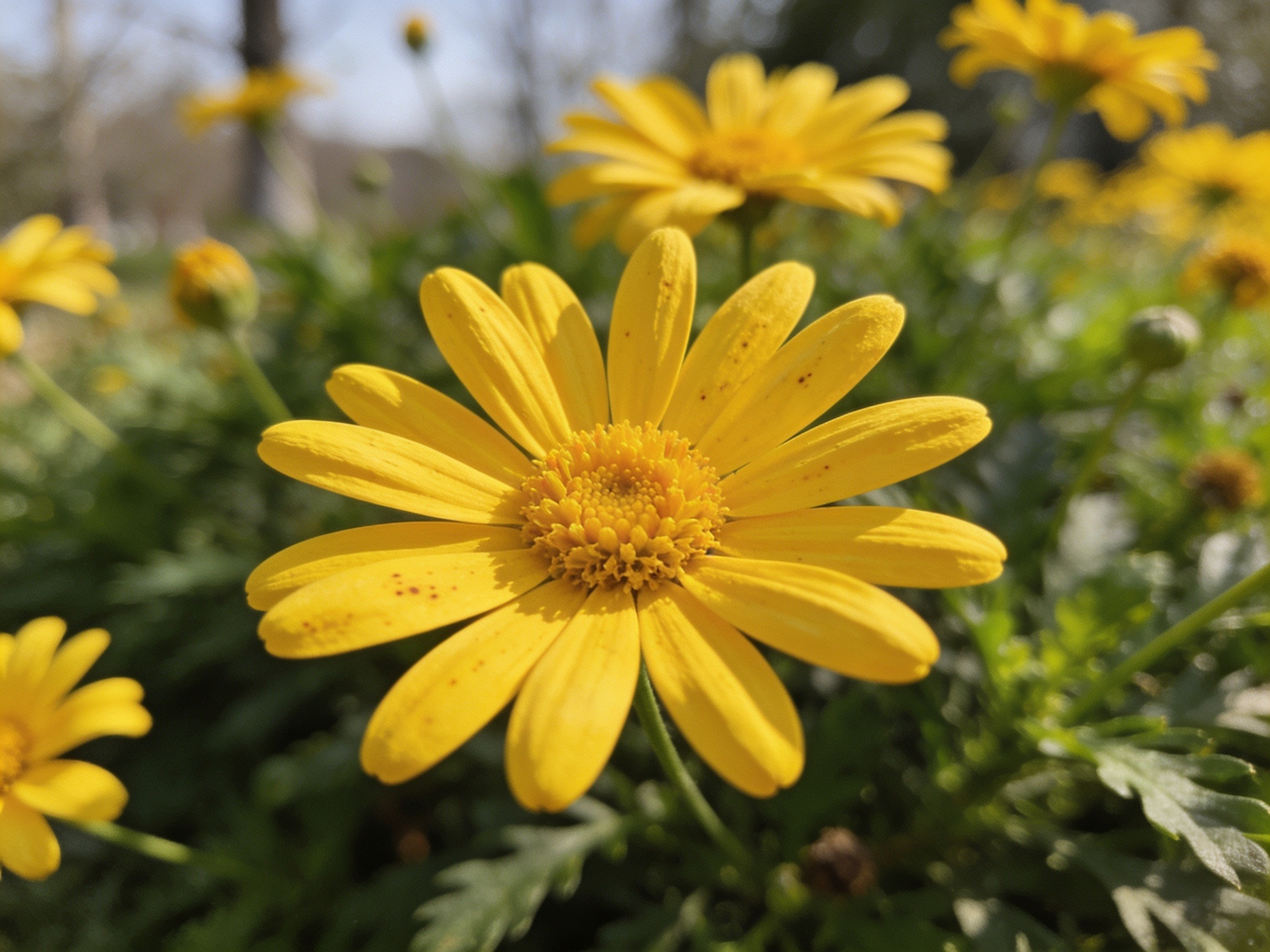
Leopard's bane symbolizes protection and vigilance, drawing on its old folkloric reputation as a guard against dangerous predators, however unfounded that belief actually was.
Leopard's bane prefers partial shade and moist, well-draining soil, and tends to go dormant and disappear by mid-summer once the weather turns hot — a normal part of its life cycle, not a sign of trouble. It's an excellent companion for spring bulbs, filling in as their foliage fades.
Despite its dramatic folkloric reputation, leopard's bane has little documented history of safe herbal use and is grown today strictly as an early-blooming ornamental perennial.