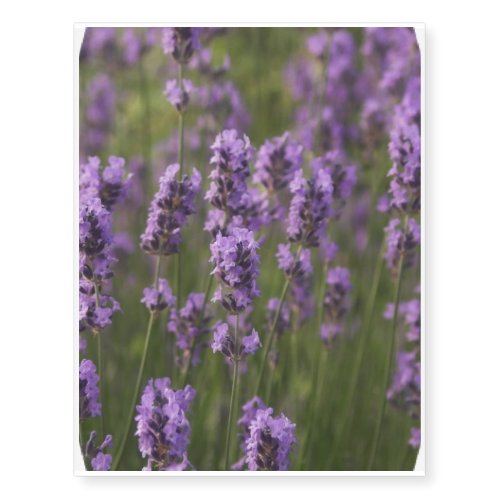
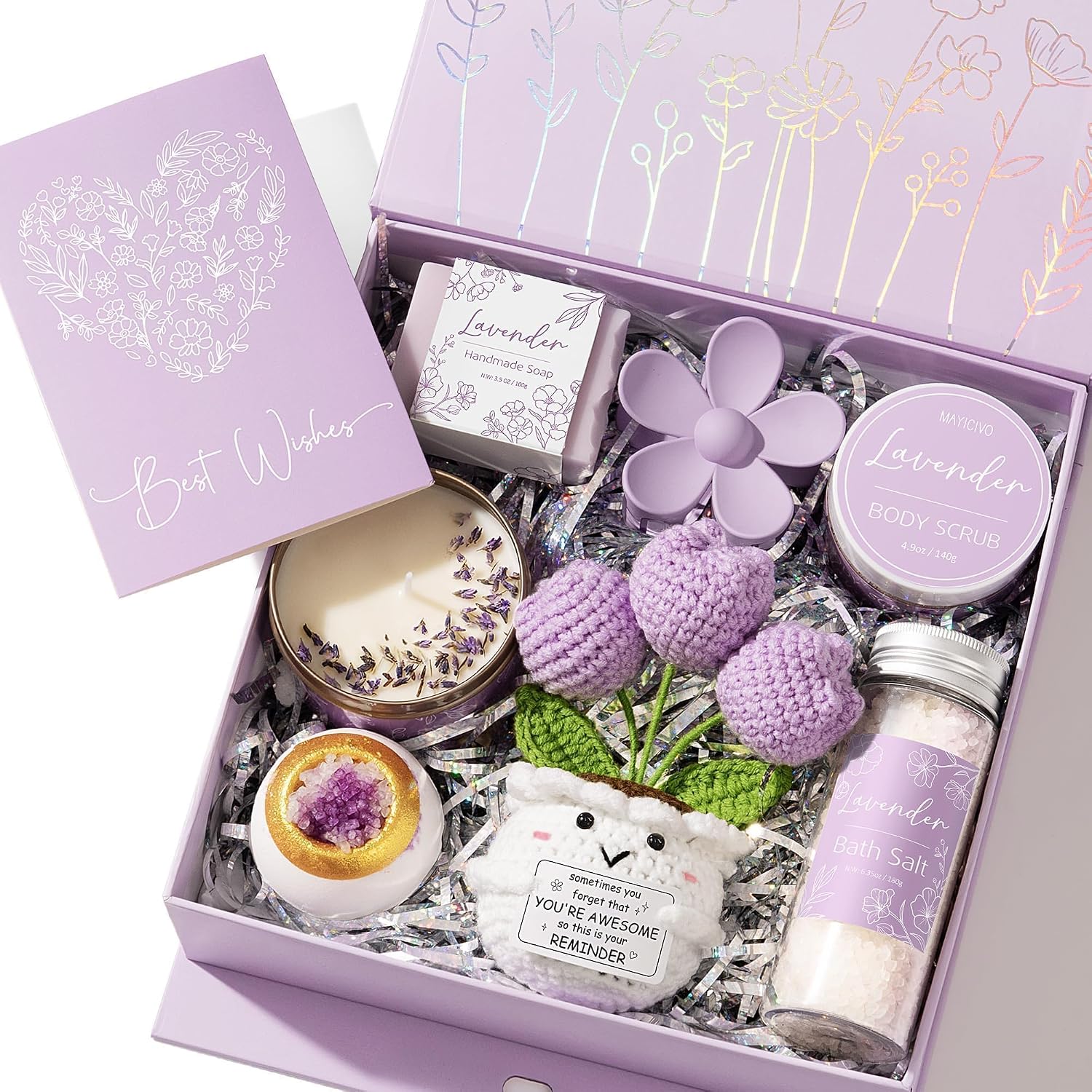
Lavender fills the summer garden with its unmistakable fragrance, its silvery-green foliage and spikes of purple bloom equally at home in a formal border, kitchen herb bed, or rock garden.
Native to the Mediterranean, lavender has been cultivated for thousands of years for its fragrance and versatility, used across perfumery, cooking, and traditional medicine. Its drought tolerance and pest-resistant nature have made it one of the most reliable and beloved herbs in the garden.
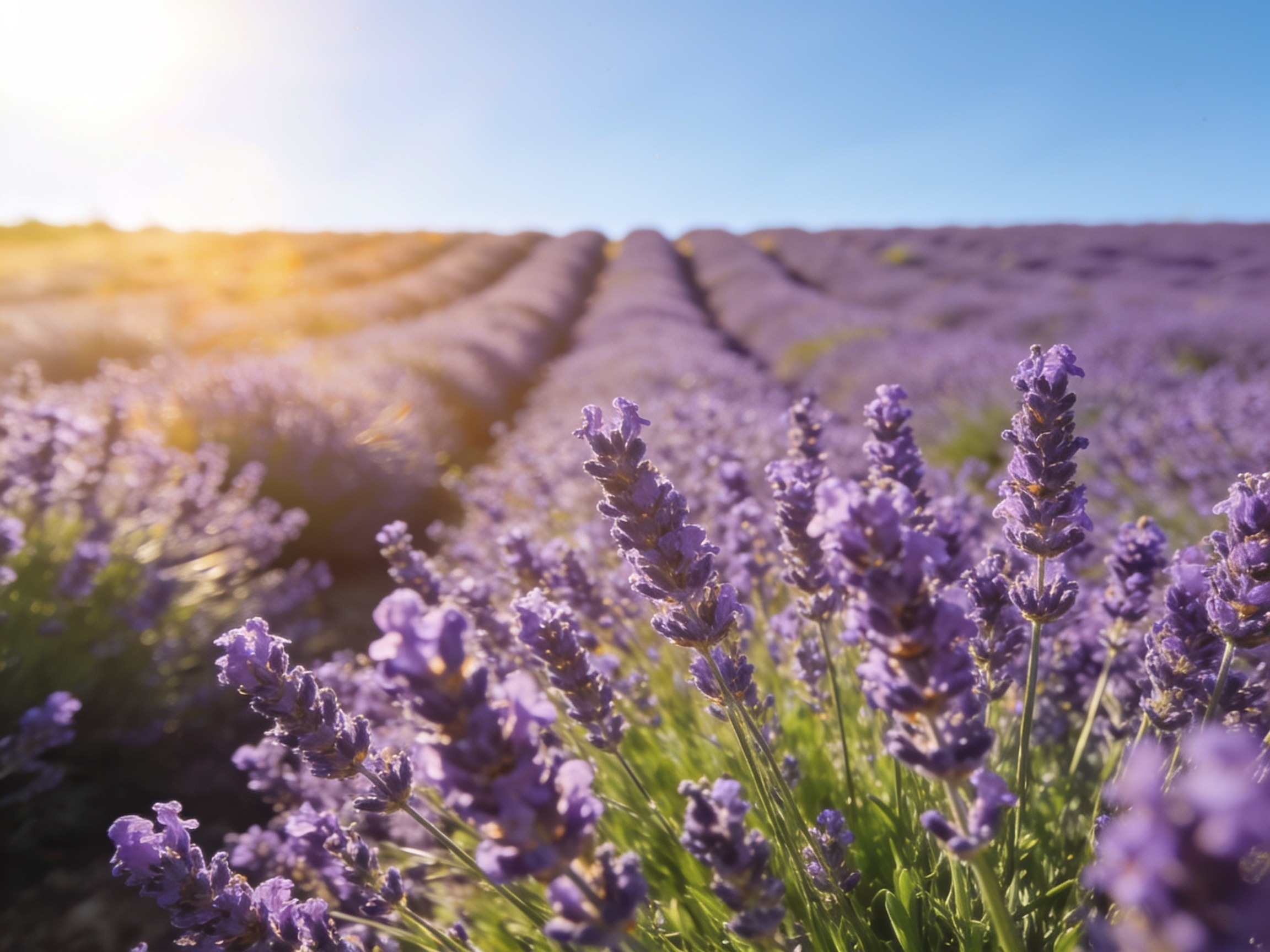
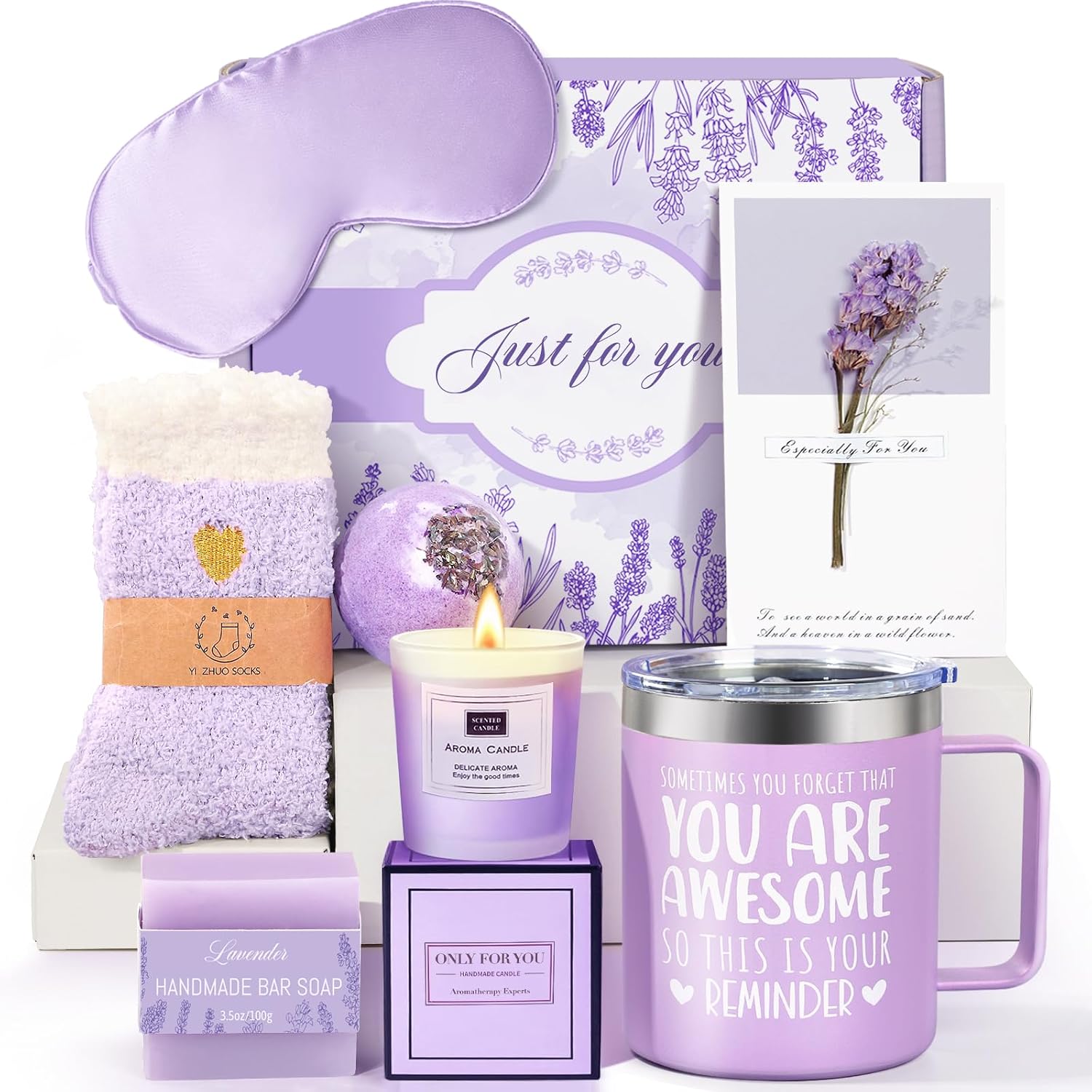
Lavender symbolizes calm, devotion, and purity, its long-standing association with relaxation rooted in centuries of use in soothing sachets, baths, and traditional remedies.
Lavender demands full sun and, above all, excellent drainage — overly rich or consistently wet soil is the most common reason plants fail. Prune lightly after flowering to keep plants compact and woody stems from becoming too leggy, and avoid heavy fertilizing, which reduces its concentrated fragrance.
Lavender essential oil is one of the most widely used aromatherapy ingredients today, valued for its calming, sleep-supporting properties, and dried lavender flowers remain popular in sachets, teas, and culinary uses.