Growing an Italian Herb Garden
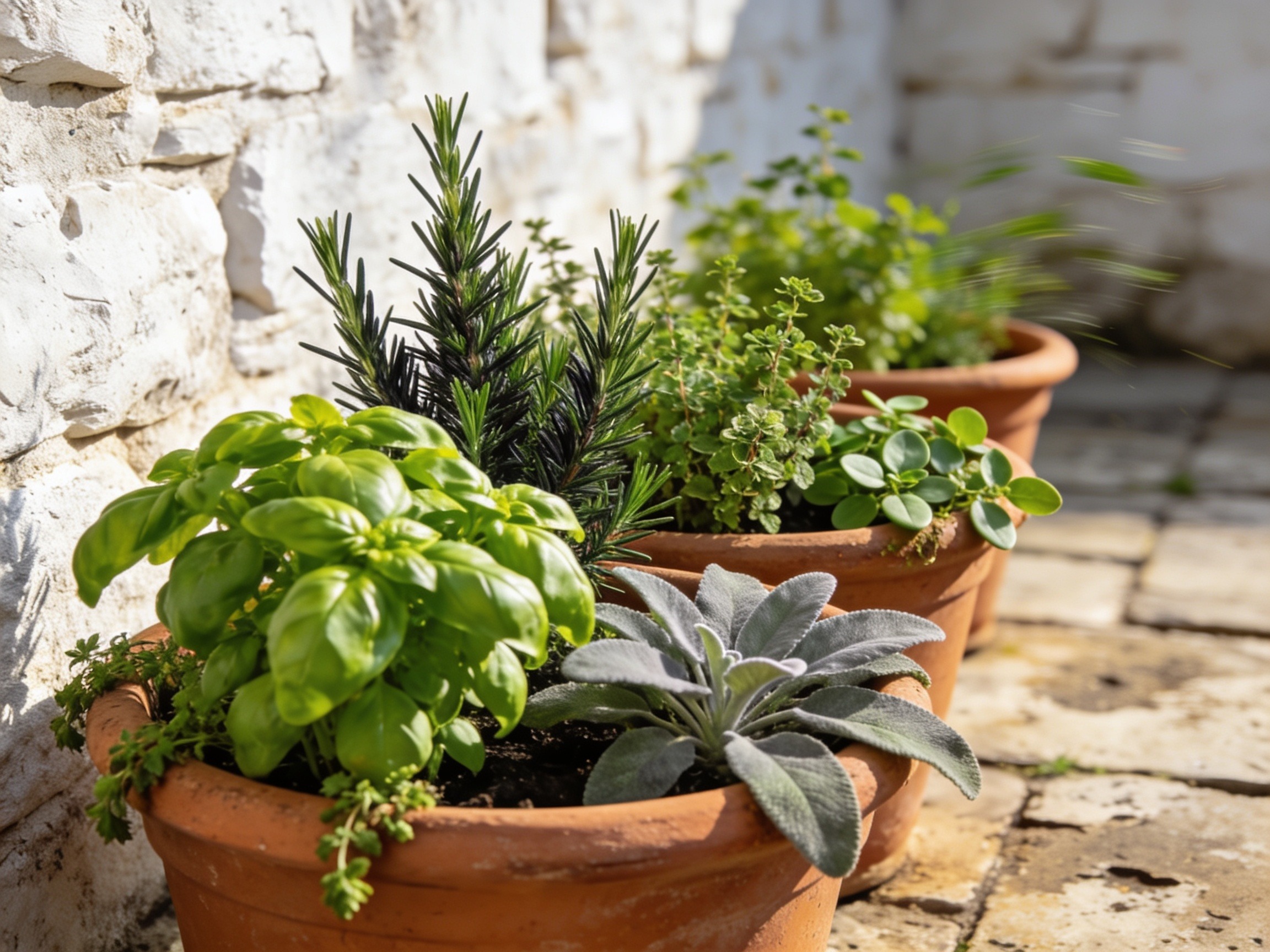
A small collection of classic Italian herbs does double duty — it dresses up the kitchen and the garden at once, and most of them are genuinely easy to grow.
The Essentials
Basil flavors countless dishes and also helps neighboring plants — grown near peppers and tomatoes, it's said to improve their flavor, and it naturally repels flies and mosquitoes. Parsley, trickier to grow, has a long history as a post-meal breath freshener, which is why it still turns up as a garnish today. Oregano shouldn't be harvested until it flowers with small purple blooms — that's when its flavor peaks. Fennel loses flavor as it matures and, as a perennial, benefits from division and replanting every few years to keep it flavorful.
The Backbone Herbs
Rosemary grows into a shrub resembling a small evergreen, with blue flowers that attract bees — it's a tough perennial but needs frost protection, and its strong flavor means a little goes a long way in roasted potatoes or meat dishes. Garlic thrives with very little attention and can be frozen or pickled for storage after harvest, making it a near-essential in any Italian herb bed. Sage, familiar from Thanksgiving stuffing, is easy to grow and propagate and, like rosemary, needs only a small amount to season a dish.
Plan the bed before planting — think through each herb's mature size and appearance so a fast-spreading rosemary shrub doesn't crowd out something smaller like parsley.