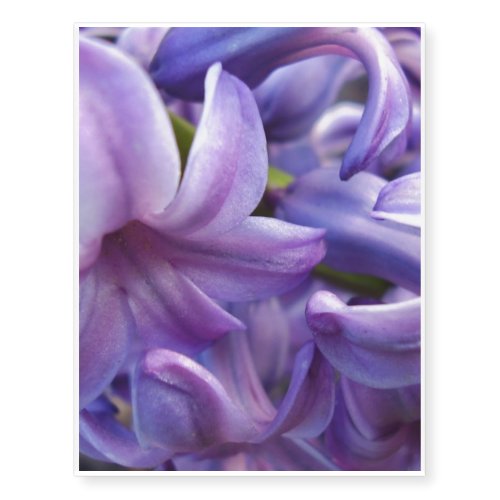
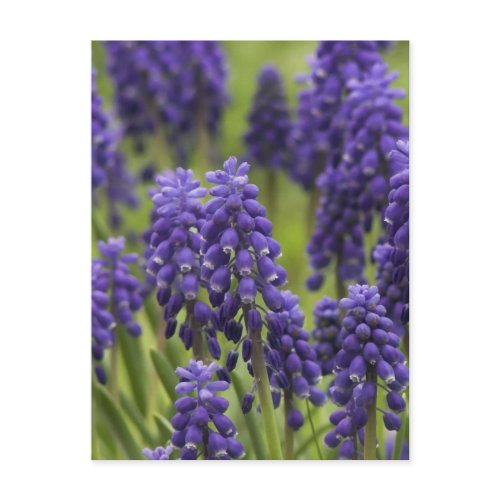
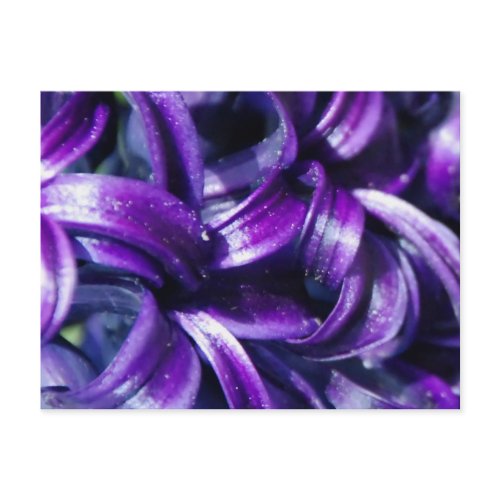
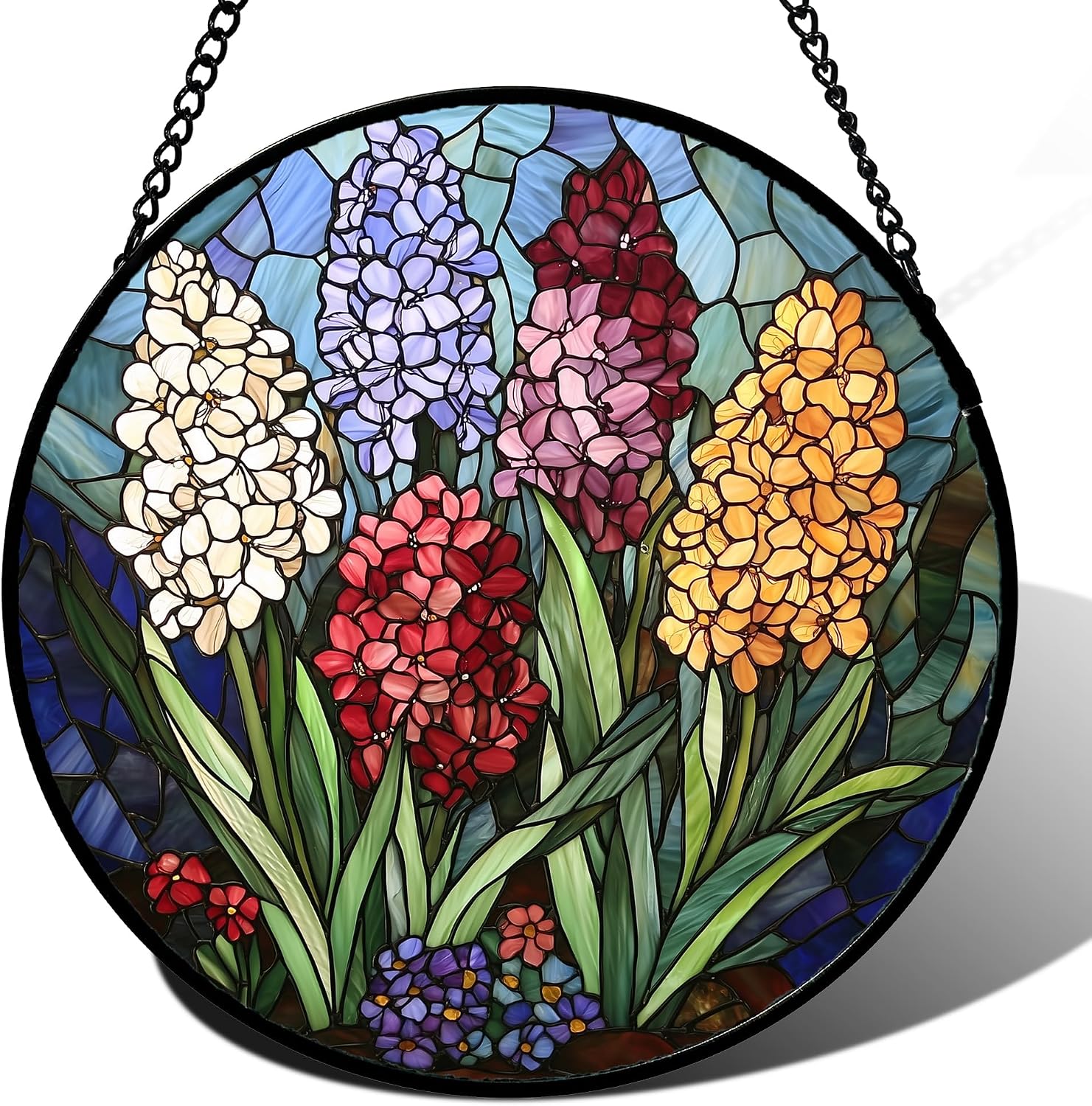
Hyacinth packs dozens of tiny, densely clustered florets onto a single stem, releasing one of the most powerfully sweet fragrances of any spring bulb.
Native to the Eastern Mediterranean, hyacinth has been cultivated for centuries and remains a favorite for both garden borders and forced indoor blooming during winter. A single bulb planted near a doorway or path can perfume an entire area during its short but intense bloom period.
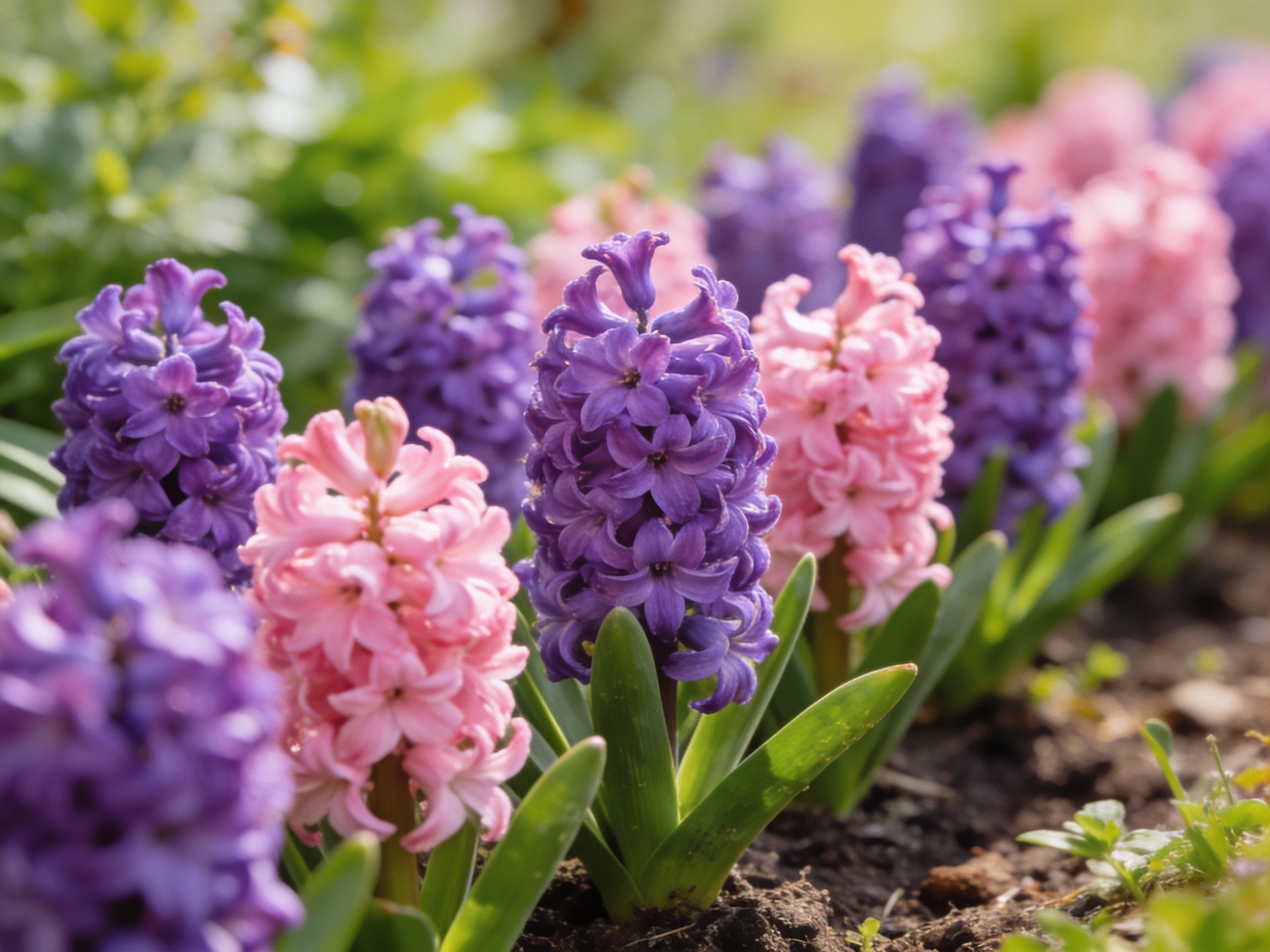
In Greek mythology, hyacinth sprang from the blood of the youth Hyacinthus, and the flower has since carried associations with both sorrow and playfulness, its meaning varying by color much like many classical flowers.
Plant hyacinth bulbs in fall, in full sun with well-draining soil, and let foliage die back naturally after bloom. Bulbs can also be "forced" indoors in water or soil during winter for an early indoor bloom, a popular tradition for bringing spring fragrance inside ahead of schedule.
Hyacinth bulbs are toxic if ingested and have no history of safe culinary or herbal use — the plant is valued strictly for its ornamental beauty and famously strong fragrance.