How to Plan a Garden
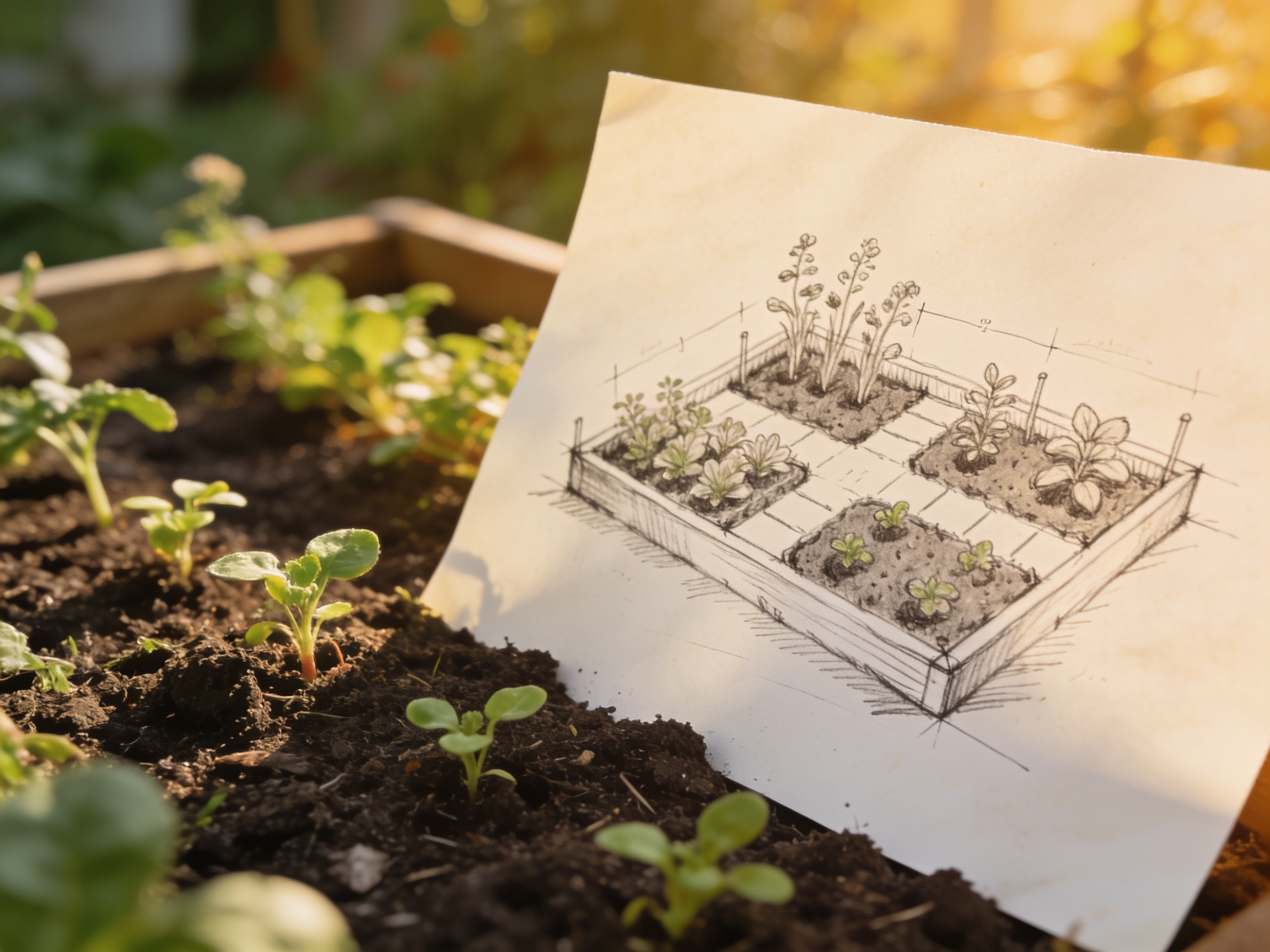
A garden that blooms from early spring to first frost takes a mix of annuals, perennials, and bulbs — each has its own season, height, and mass of color to contribute, and few flowers stay in bloom for more than two or three weeks on their own.
Layering Bloom Times
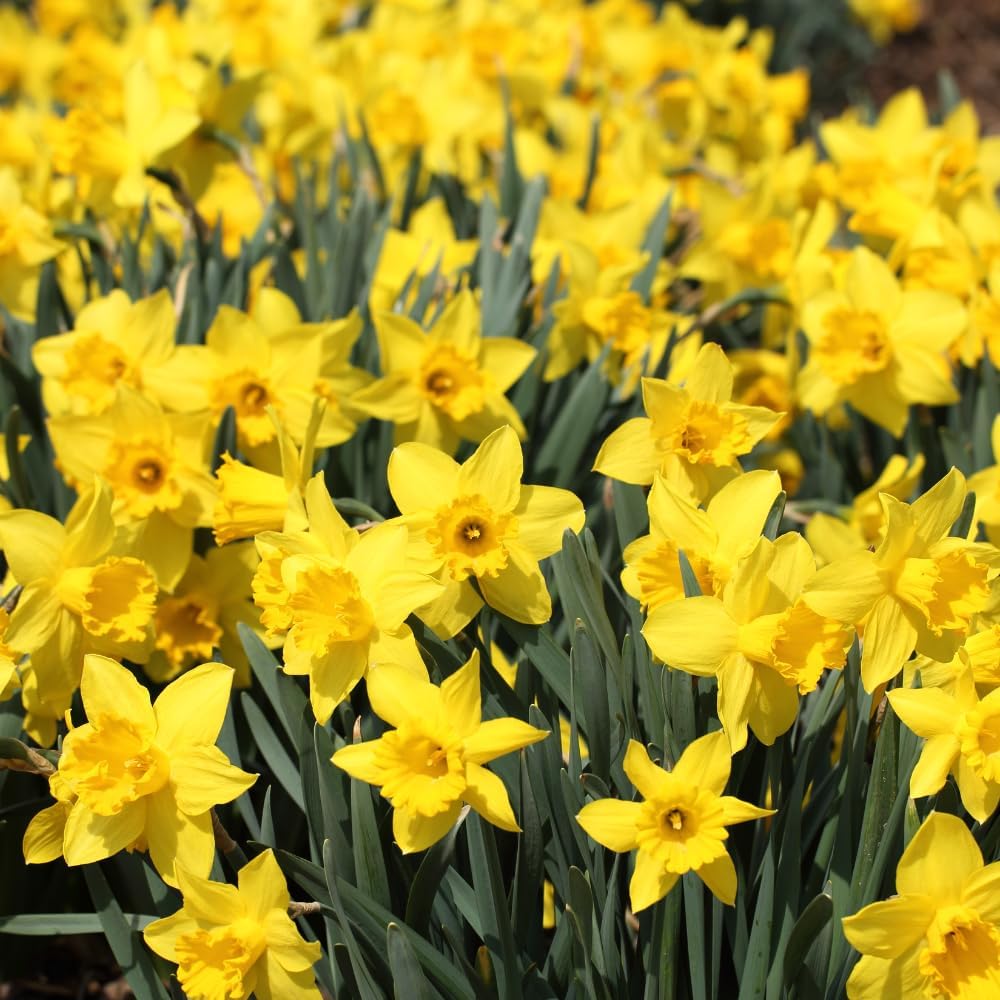
Planting spring bulbs beneath or between other flowers gets two crops of bloom from the same square foot of bed — once daffodils and tulips finish, interplant annuals for summer color, then follow with transplanted chrysanthemums as those go by in fall. A written plan, made ahead of time, makes it far easier to keep the display going as the season shifts.
Height, Habit, and Light
Know each variety's mature height before placing it, so tall plants don't end up in front of low ones, and its growth habit too — a massive clump like peony can easily swallow a smaller neighbor like bellflower. Sunlight availability varies bed to bed, even side to side around the same house; plant sun-lovers where they'll get it, and reserve shade-tolerant varieties like begonias and ferns for spots that need protecting from scorch.
Don't over-plan color combinations — flowers rarely bloom exactly on schedule, and catalog colors never match perfectly to what shows up in the bed. Plenty of green foliage naturally softens any clash.