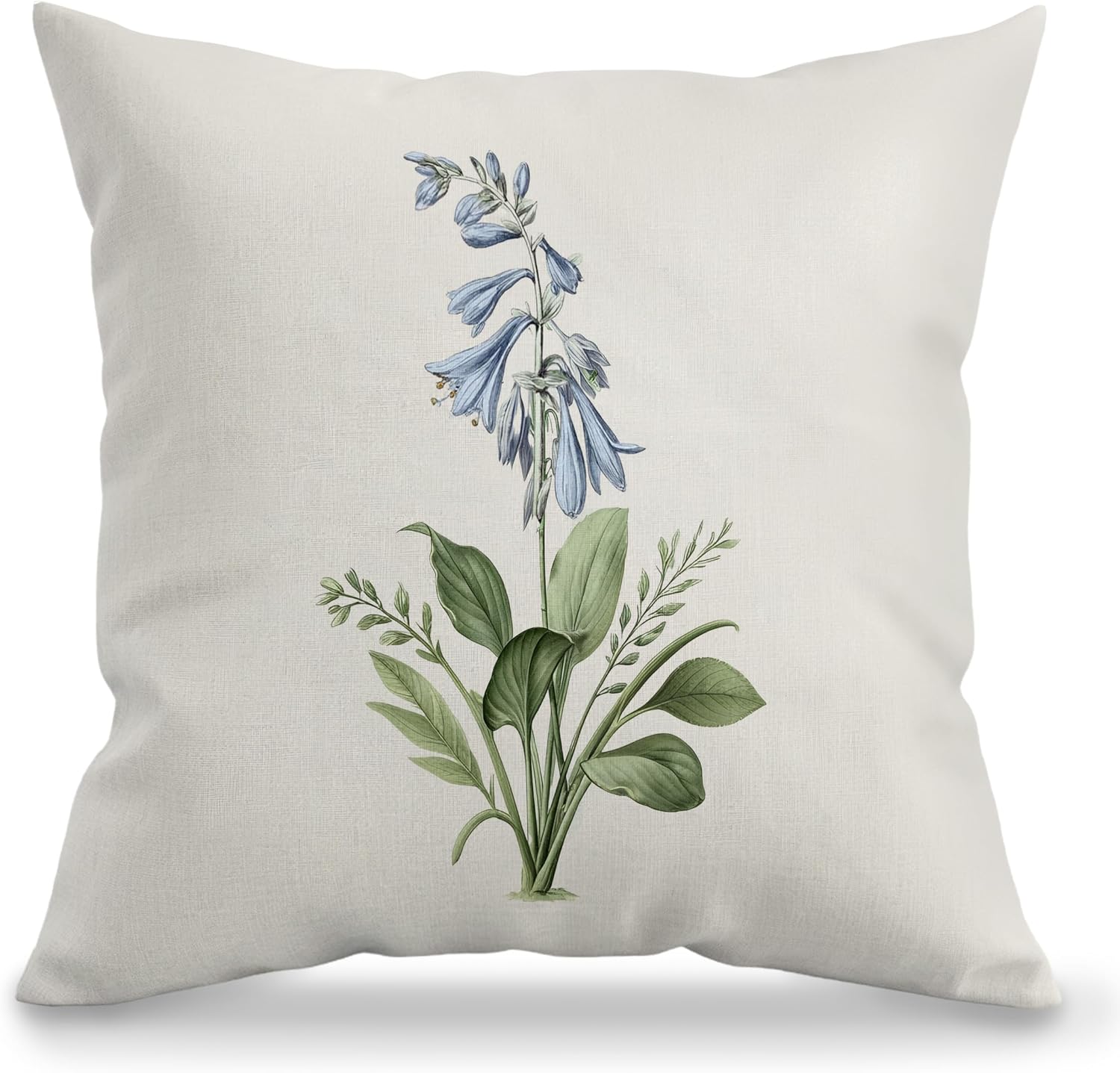
Hosta is prized above all for its lush, often variegated foliage, forming dramatic mounds that anchor shade gardens long before its modest summer flower spikes even appear.
Native to Japan, China, and Korea, hosta has become one of the most widely grown perennials in North America, with thousands of cultivars offering an enormous range of leaf size, color, and texture. Its reliable, low-maintenance nature has made it a shade garden staple for generations.
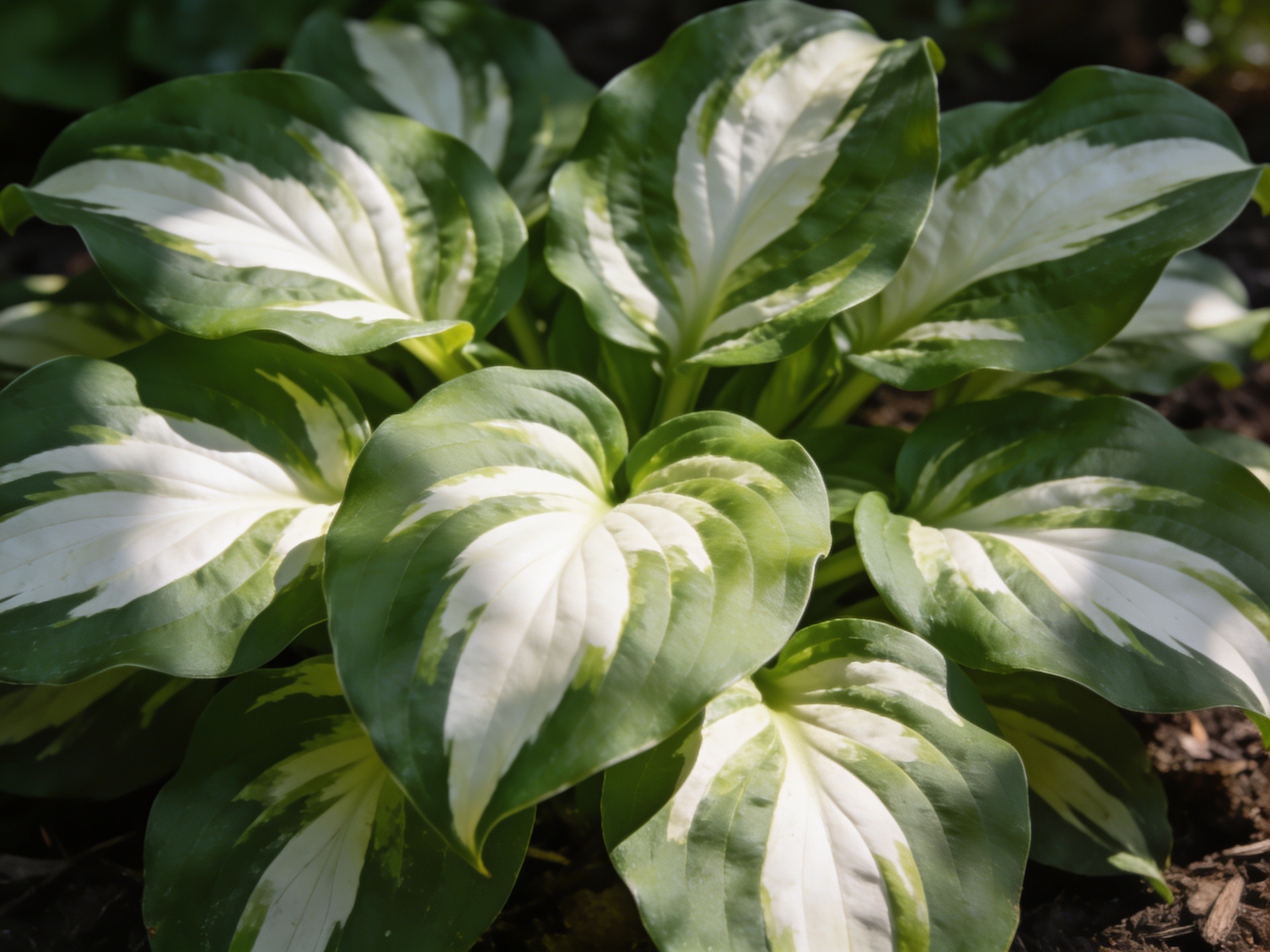
Hosta symbolizes devotion and friendship, its broad, protective leaves and reliable, long-lived nature often read as a metaphor for steady, dependable relationships.
Hosta wants partial to full shade and rich, consistently moist soil, though some sun-tolerant varieties handle more light. Slugs are the plant's most persistent pest, chewing visible holes in the leaves, and dividing established clumps every several years both controls size and yields free new plants.
Young hosta shoots are considered a springtime delicacy in parts of Japan, where they're prepared similarly to asparagus, though most Western gardeners grow hosta strictly as an ornamental foliage plant.