Hibiscus, Hawaii's State Flower
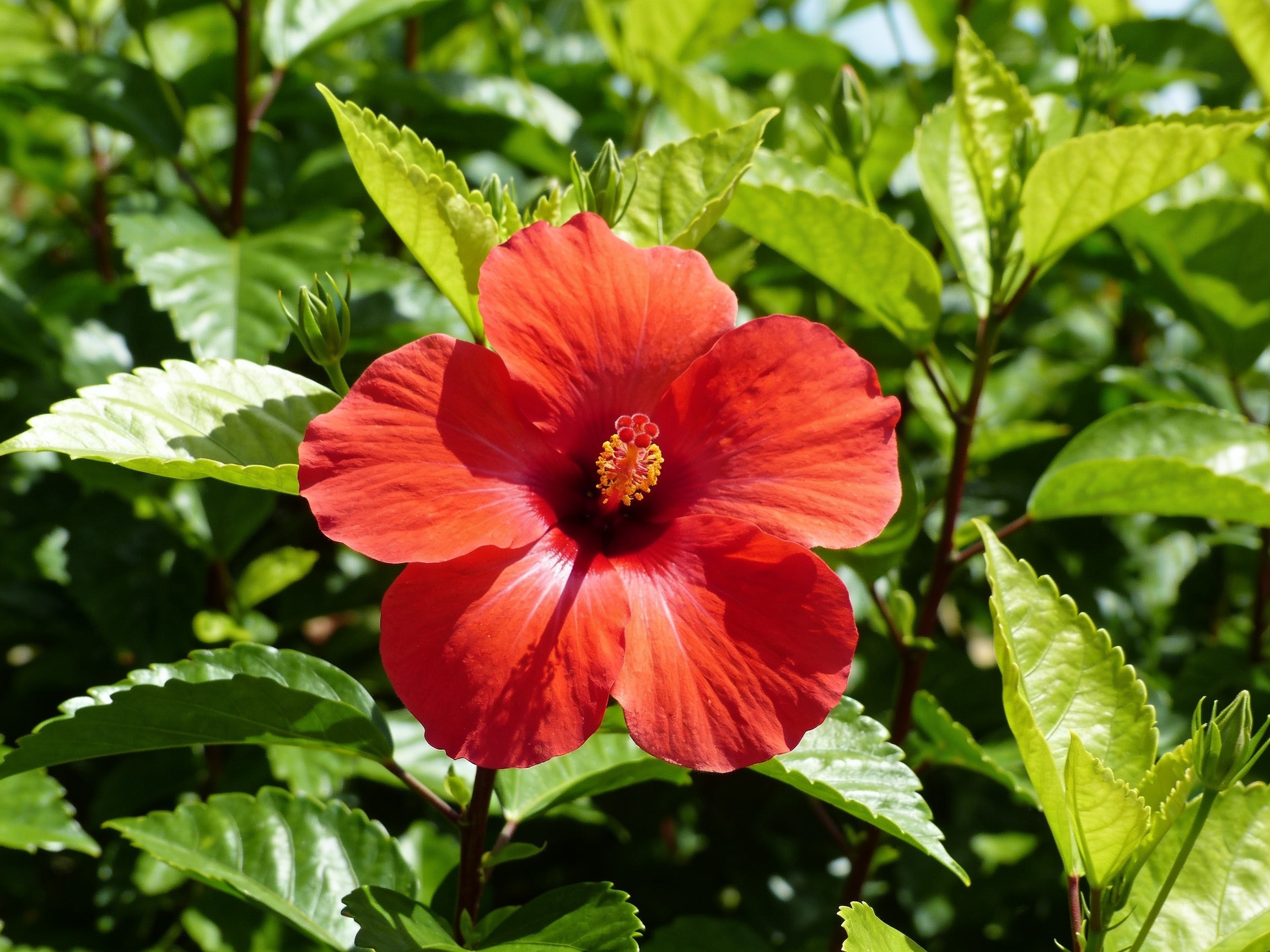
The hibiscus is inseparable from Hawaii's identity, though of the more than 200 species worldwide, only seven actually grow natively on the islands — most of what visitors see has been brought in from elsewhere.
More Than Decoration
Hibiscus flowers show up everywhere in island life — in leis, tucked into a woman's hair (behind the left ear to signal she's available, the right if she's taken), and floating in tropical drinks. The plant's uses go well beyond looks: its bark fibers can be woven into grass skirts or paper, the flowers are brewed into tea and jams, and various cultures around the world have used hibiscus in traditional remedies, from South American snakebite treatments to Zulu skin-care preparations. It's also Malaysia's national flower.
The Official State Flower
The Chinese hibiscus, known to native Hawaiians as "Pua Aloalo," is the variety officially designated as Hawaii's state flower, commonly grown for decoration and woven into leis for honored guests. Some native varieties are far rarer — the white-flowered Hibiscus arnottianus immaculatus, found only in the mountains of western Oahu, is believed to have fewer than a dozen individuals left in the wild. As a tropical plant, hibiscus needs warmth and humidity to thrive; grown indoors, keep it between 70 and 85°F and never let the soil dry out completely.
A gift of hibiscus carries its own quiet meaning — since the blooms last only a day, giving one is sometimes read as a gentle "seize the day."