Herb Gardening
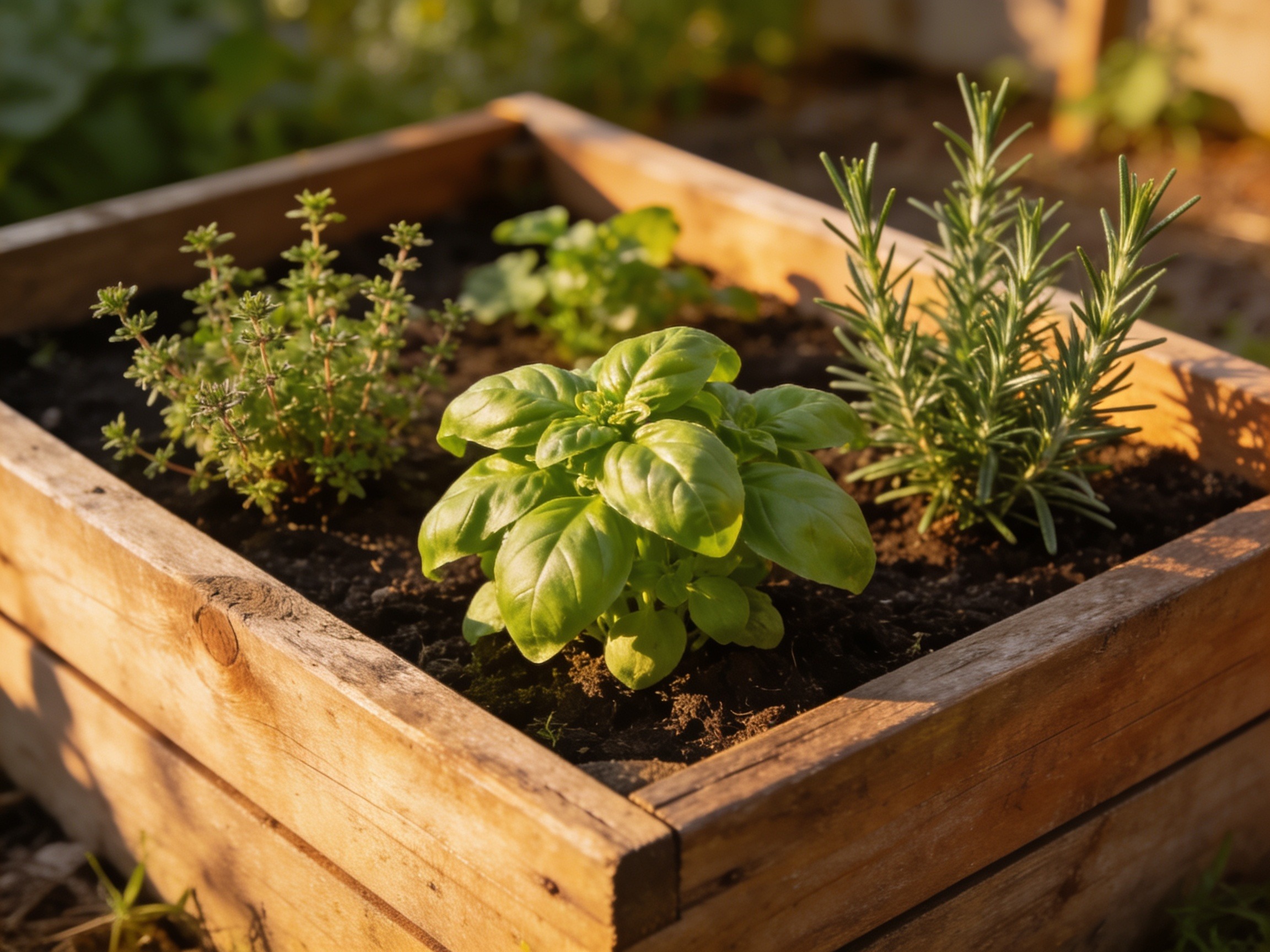
Herbs have been grown for medicine and cooking for as long as people have kept gardens — and a plot of your own is easier to start than it looks.
Plan Before You Plant
Decide which herbs you want and whether the bed will stay the same from year to year or change with the seasons, then sketch a rough plan — it keeps you from disturbing an established perennial herb while pulling a spent annual at season's end. As a rule, keep shorter annual herbs toward the center of a bed and taller or longer-lived ones near the edges, with tall varieties at the back so nothing gets shaded out.
If bed space is tight, a herb container works just as well and keeps spreading herbs like mint from taking over. Tiered pots with several planting pockets let sun-loving herbs go in the open top while shade- or moisture-loving varieties take the lower, more sheltered openings.
Soil and Care
Most culinary herbs want soil on the alkaline side and good drainage above all else — figuring out which herbs you're planting first makes it much easier to get the soil right. If starting from seed, follow the packet's guidance on depth, watering, and temperature closely; herbs are forgiving plants once they're established, but they're picky about how they start.
Stone or brick makes a simple, attractive border for a square or rectangular herb bed, and a path through the middle makes it easy to reach every plant for harvesting without stepping on the soil.