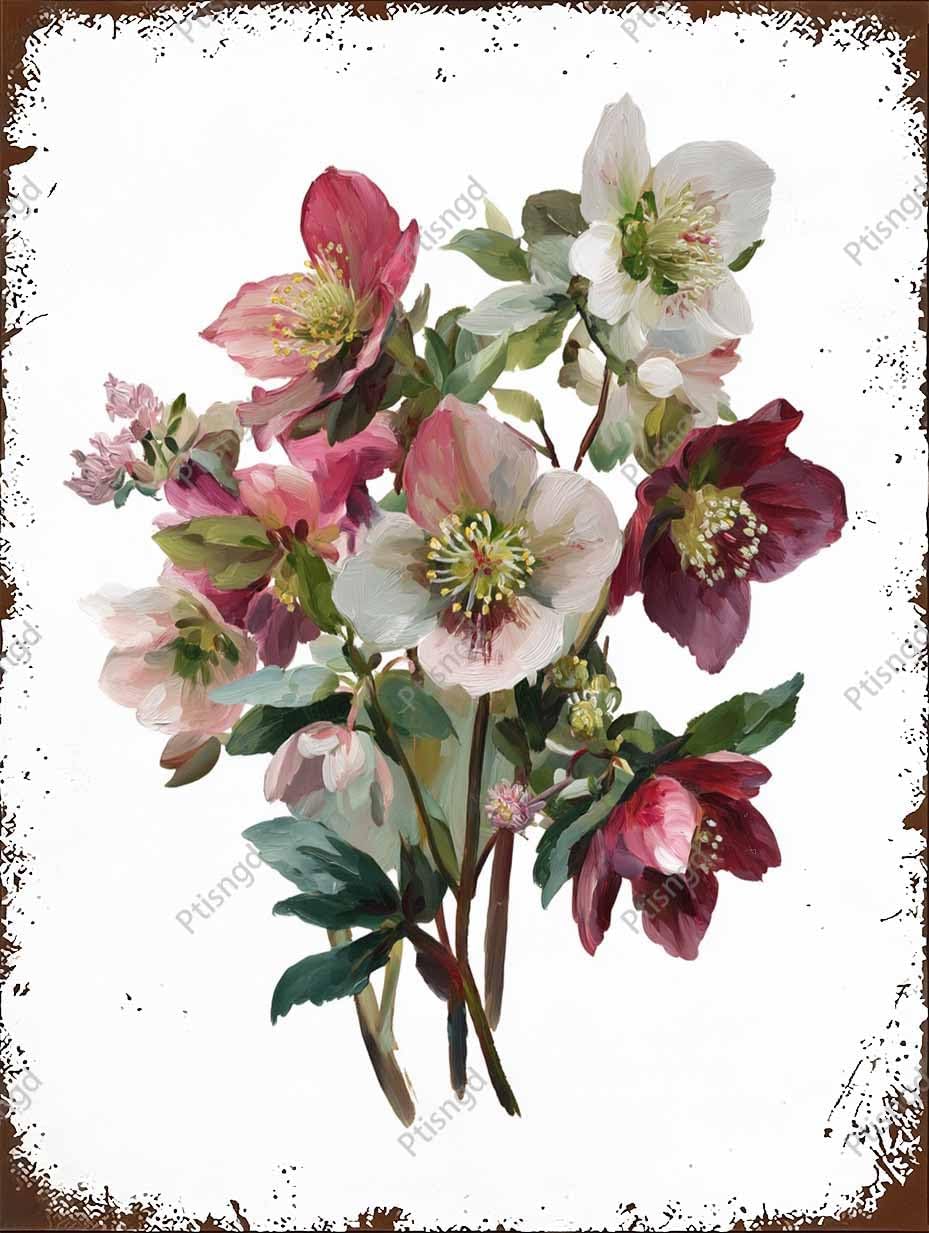
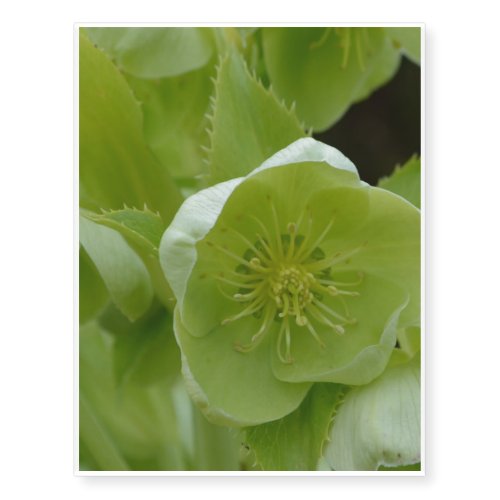
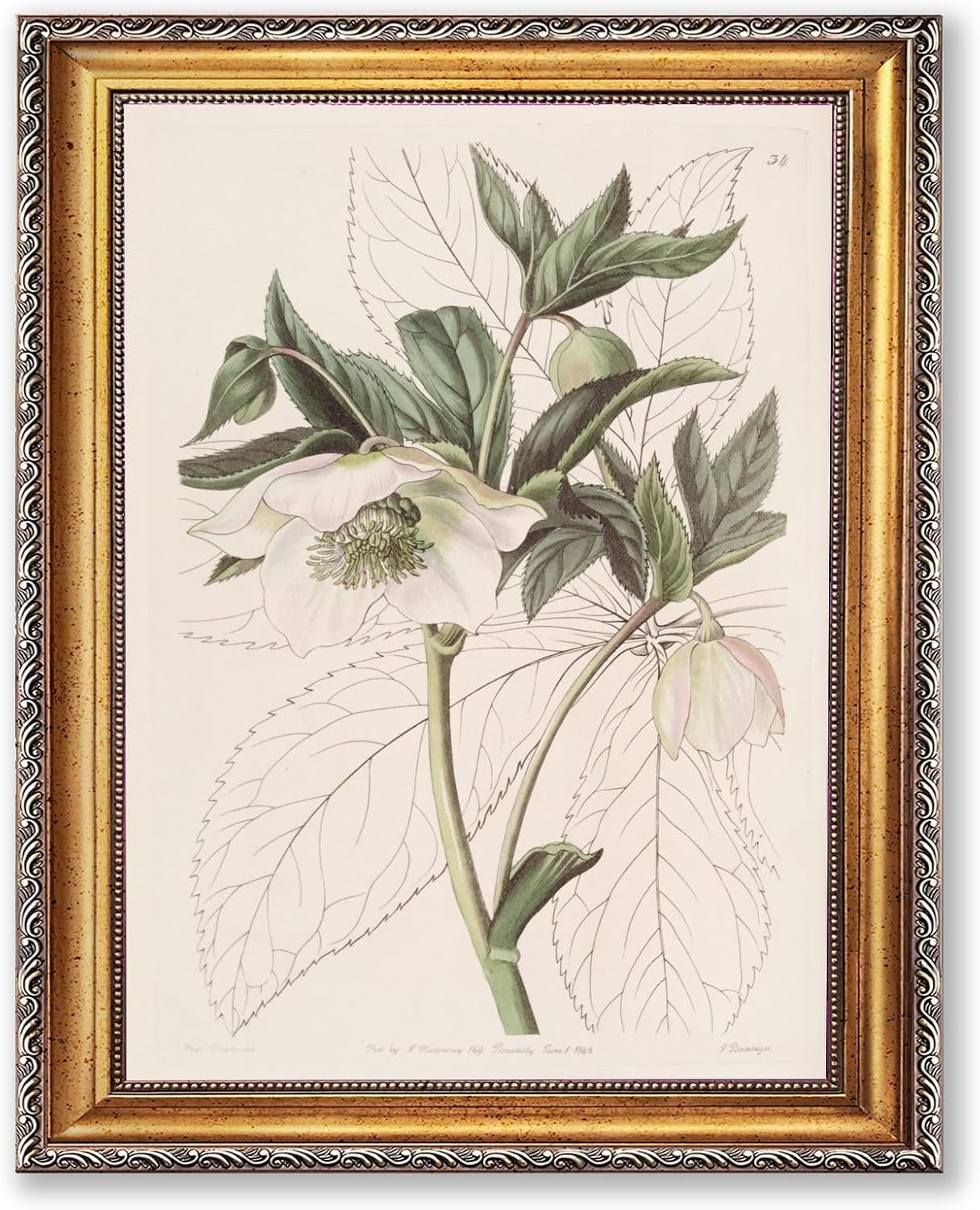
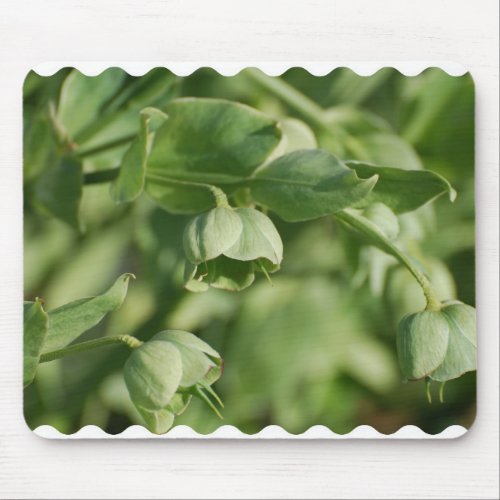
Hellebore, widely known as the Lenten rose, is one of the very few perennials that blooms in late winter and earliest spring, unfurling nodding, cup-shaped flowers in white, pink, plum, and near-black even through a light snow.
Its leathery, evergreen foliage stays attractive year-round in shaded woodland gardens, and its long-lasting blooms make it a prized early-season nectar source for emerging pollinators.
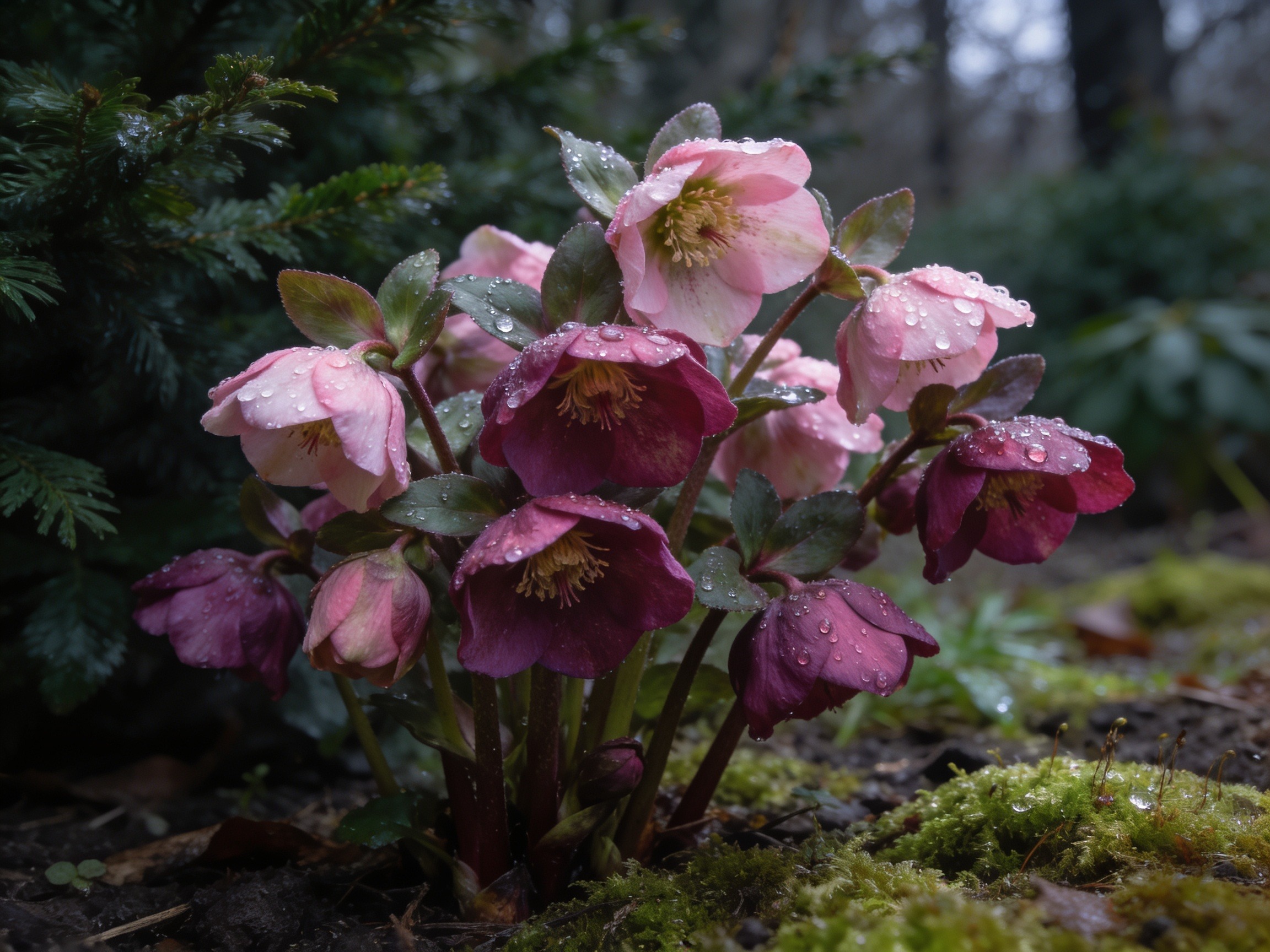
Hellebore symbolizes serenity and the quiet promise of hope, having earned a reputation as a flower that blooms even in the harshest conditions — a reminder that beauty can persist through difficult seasons.
Plant hellebores in partial to full shade beneath deciduous trees, in rich, humus-heavy, well-drained soil. Once established they need little care beyond an annual trim of old, tattered leaves in late winter to showcase the emerging flowers. Hellebores resent being moved, so choose a permanent spot — they reward patience by slowly forming larger, showier clumps over the years.
Historically, hellebore root was used in very small, carefully measured doses in ancient Greek and medieval medicine as a purgative — but all parts of the plant are toxic if ingested, and it should be treated strictly as an ornamental today.