Heliotrope produces dense clusters of small, deep purple blooms carrying an intensely sweet vanilla-cherry fragrance, giving it the fitting nickname "cherry pie plant."
Native to Peru, heliotrope was a hugely popular Victorian-era garden and container plant, prized above all for its remarkable fragrance. Its name comes from the Greek for "turn toward the sun," reflecting the way its blooms track sunlight through the day.
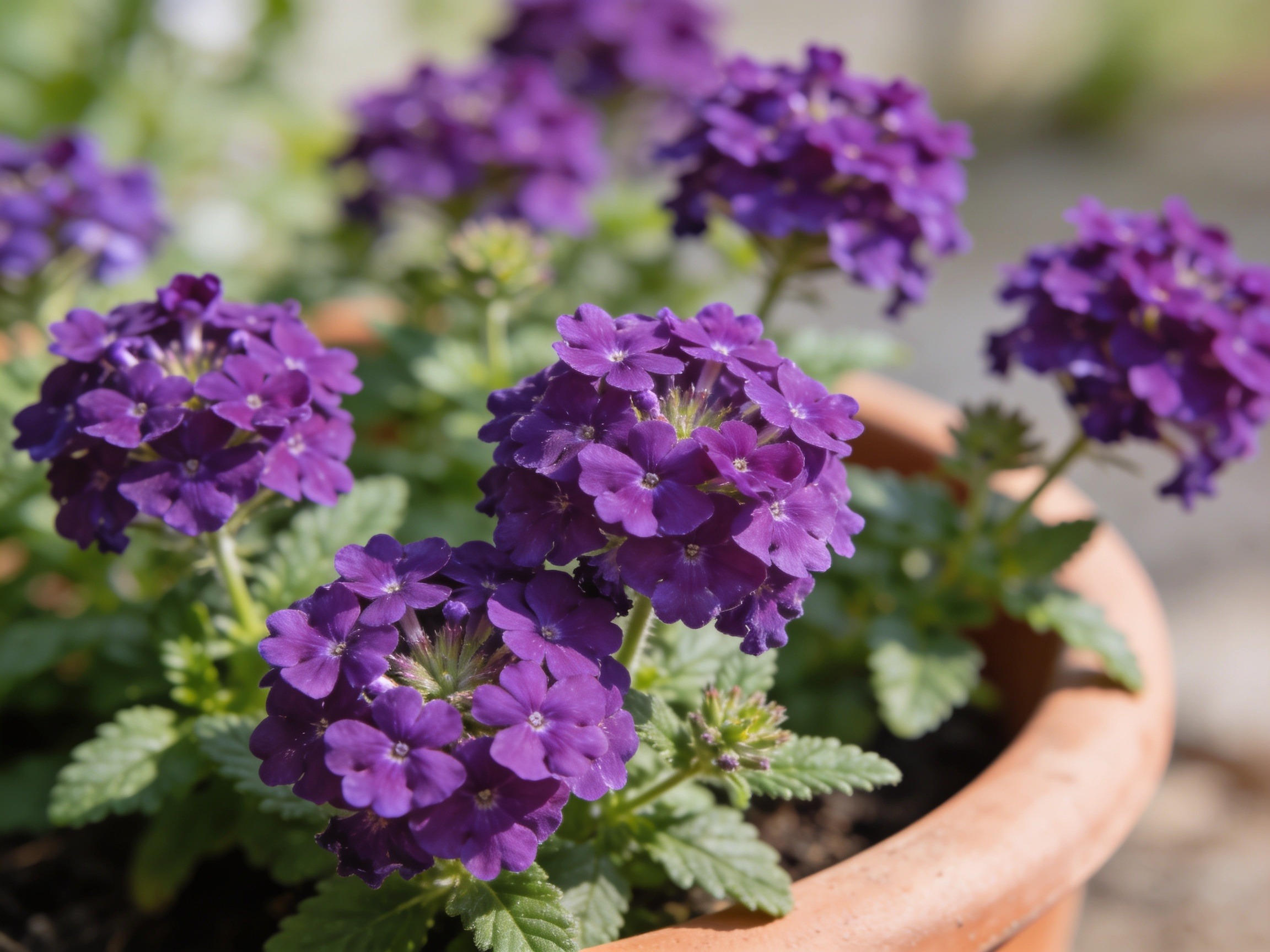
Heliotrope symbolizes devotion and eternal love, its habit of turning toward the sun throughout the day long read as a metaphor for unwavering faithfulness.
Heliotrope wants full sun and rich, well-draining soil, and it's frost-tender, typically grown as a summer annual or overwintered indoors as a houseplant in colder climates. Placing it near a patio, entryway, or window lets its famously sweet fragrance be enjoyed up close.
Heliotrope was historically used in perfumery for its distinctive vanilla-like scent, though the plant contains toxic alkaloids and has no history of safe internal herbal use — it should be enjoyed for its fragrance and beauty only.