A well-placed hedge does double duty — marking a boundary and screening a view — while adding year-round structure that few flower beds can match on their own.
Hedges can be formal and tightly clipped, using shrubs like boxwood or privet, or informal and loosely shaped from flowering shrubs like viburnum or forsythia — the right choice depends mostly on how much maintenance a gardener wants to take on.
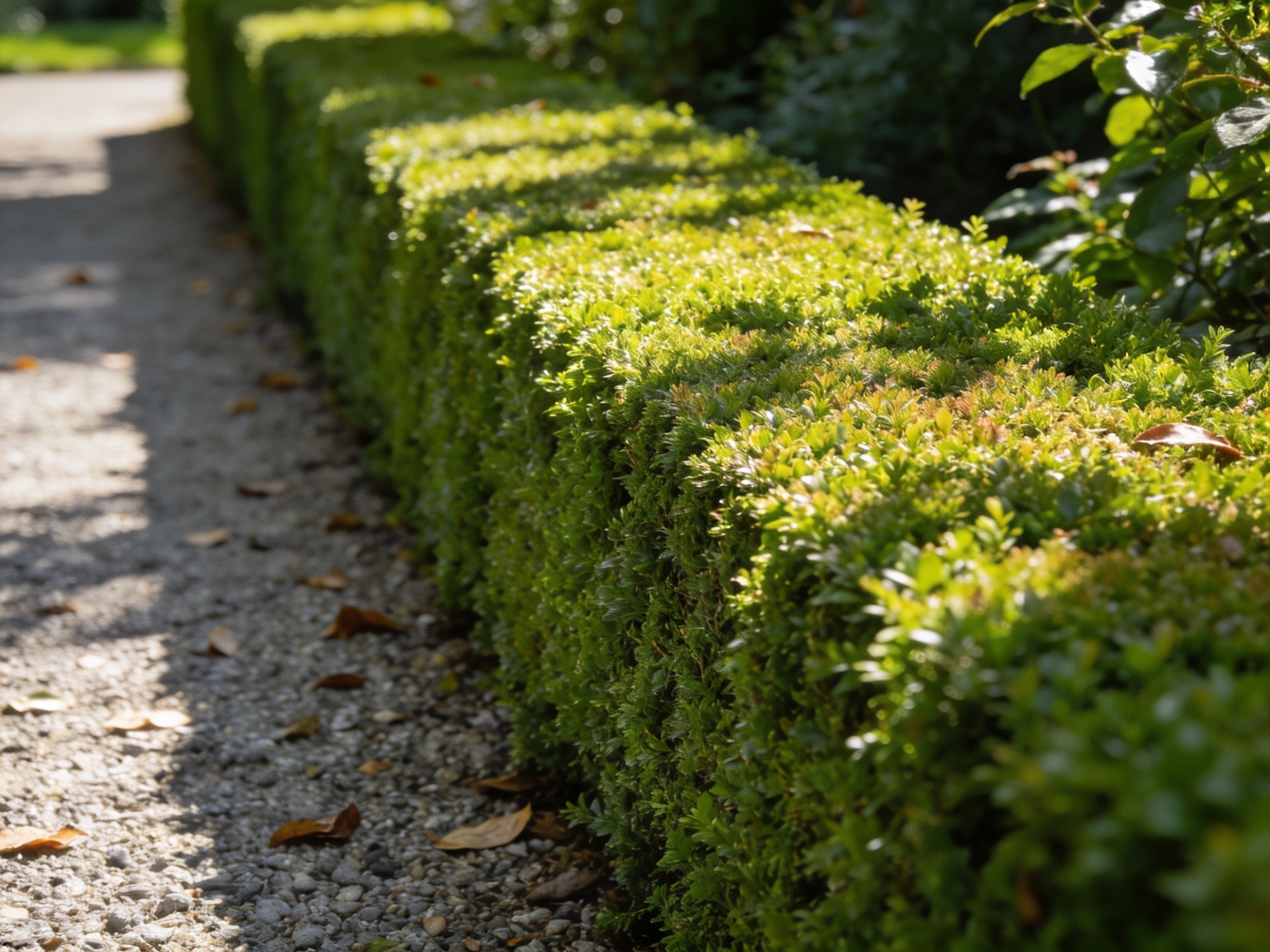
Spacing plants correctly at planting time — usually two-thirds of a shrub's mature spread apart — is the key to a hedge that fills in evenly rather than growing gappy at the base. Regular shearing while plants are still young trains a denser, fuller form that's easier to maintain for the life of the hedge.
Trimming a hedge slightly narrower at the top than the base lets sunlight reach the lower branches, keeping the whole hedge leafy from top to bottom instead of thinning out below.