Growing Blue Hydrangeas
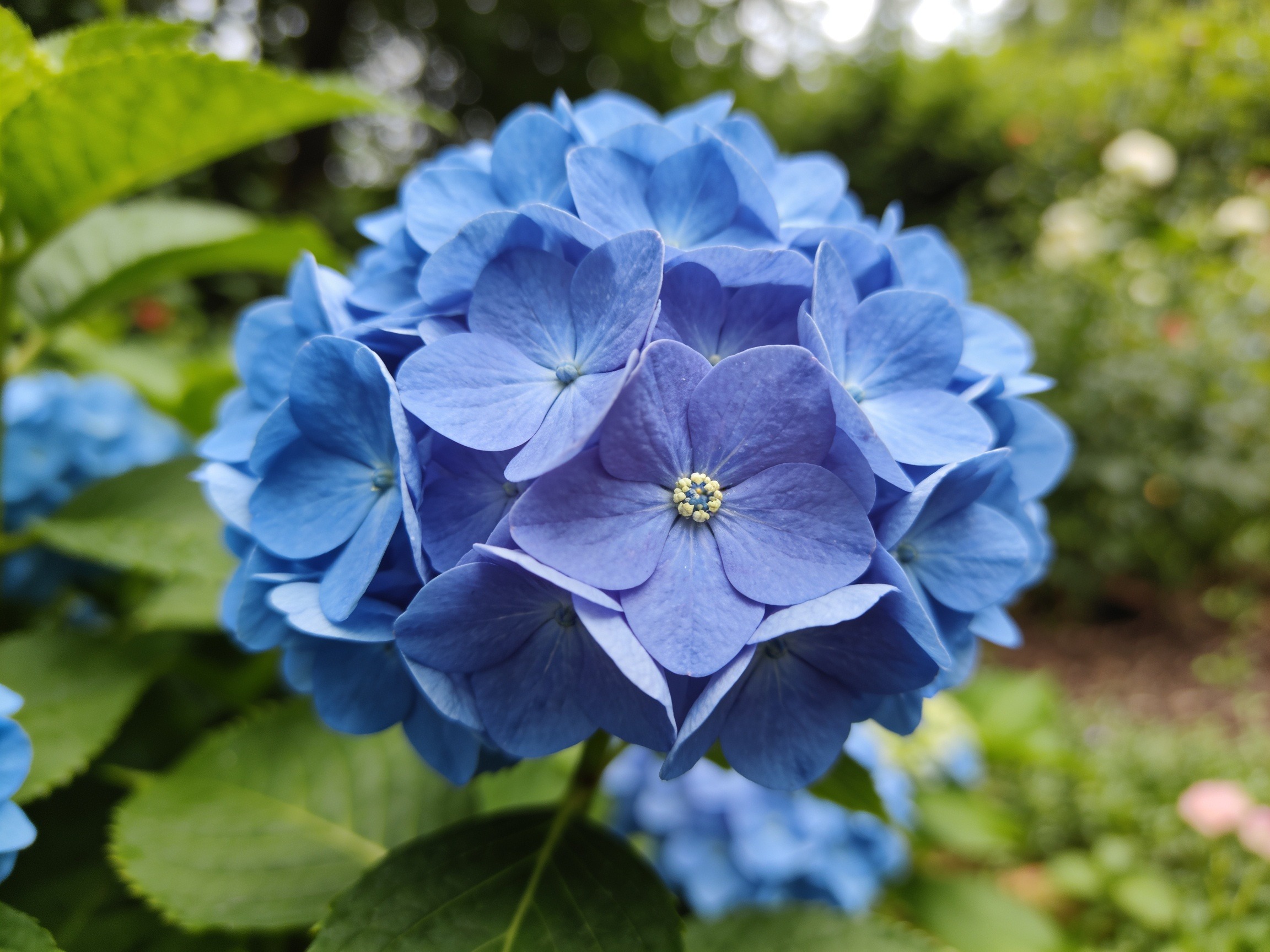
A blue hydrangea bloom isn't really about the variety you buy — it's almost entirely about the soil you plant it in.
Why Soil Chemistry Matters
Not every hydrangea can shift color — the trait belongs to the mophead and lacecap types, whose blooms range from pink through blue to purple depending on soil pH. Grow them in alkaline soil and you'll get pink flowers; grow the same plant in acidic soil and it turns blue. Even varieties named for a specific color, like 'Nikko Blue' or 'Forever Pink', can bloom either shade depending entirely on where they're planted.
Getting the Blue
To encourage blue blooms, aim for a soil pH between 5.2 and 5.5. If your soil runs more alkaline than that, working in an acidifying amendment, applying acidic mulch, or adding pine needles or pine bark can help bring the pH down. The underlying mechanism is aluminum: acidic soil makes aluminum available to the plant, which is what actually produces blue pigment. If your soil is too alkaline to shift, blue blooms may simply not be achievable — but the flower will still bloom beautifully in pink.
Test your soil pH before buying a hydrangea for its color — it tells you upfront whether blue is realistically achievable in your yard, or whether you should plan on pink.