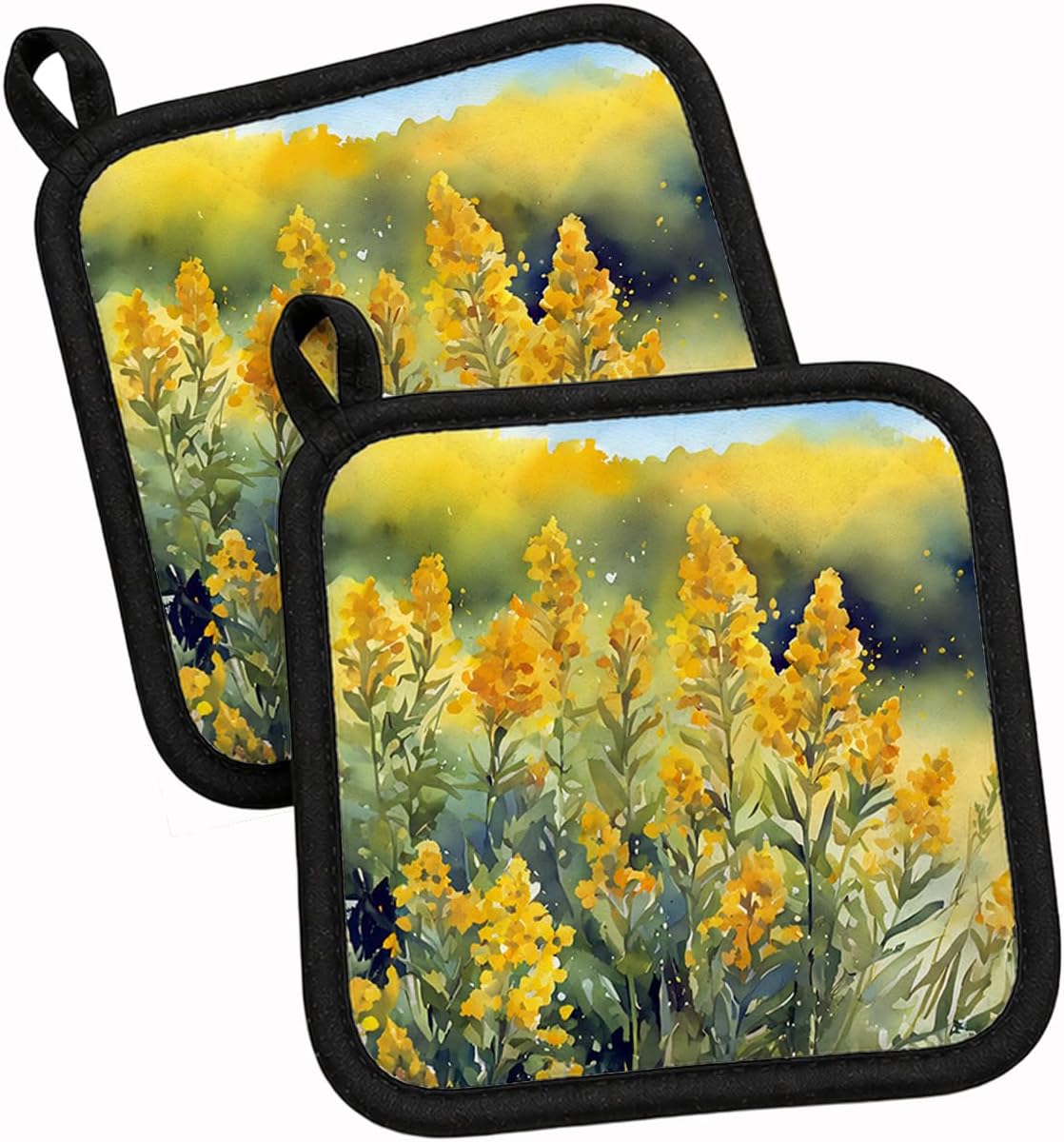
Goldenrod lights up fields and gardens with feathery plumes of brilliant yellow each fall, despite its long-standing and undeserved reputation for causing allergies.
Native across North America, goldenrod is often wrongly blamed for fall hay fever, when the real culprit is typically ragweed, which blooms at the same time but has wind-borne pollen — goldenrod's pollen is heavy and insect-pollinated. This tough native perennial is a vital late-season nectar source for pollinators heading into winter.
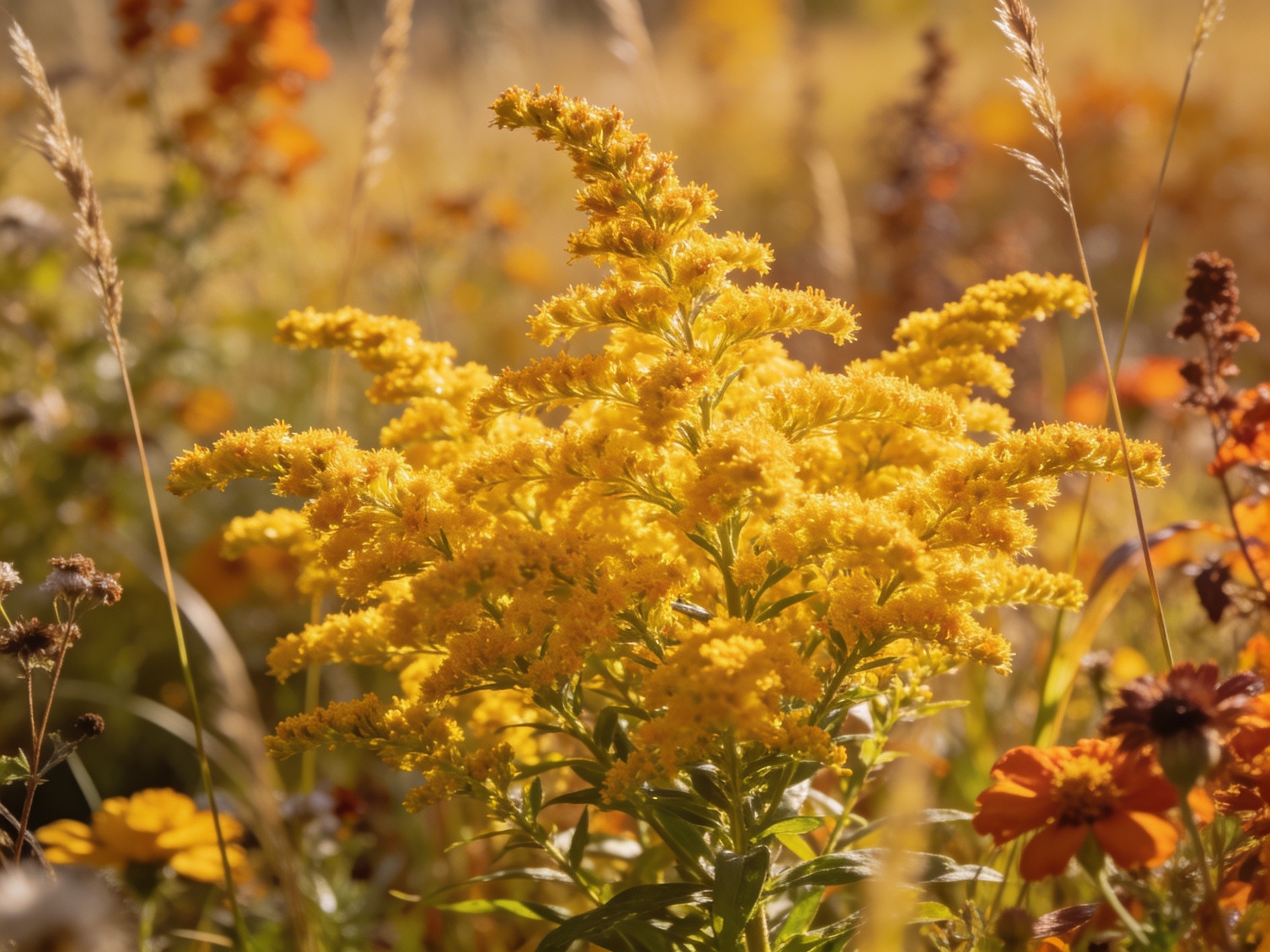
Goldenrod symbolizes encouragement and good fortune, and as the state flower of Kentucky and Nebraska, it's become a familiar emblem of the American prairie and countryside.
Goldenrod thrives in full sun and tolerates poor, dry soil with ease, making it an excellent low-maintenance choice for a native or pollinator garden. It spreads readily by both seed and rhizomes, so choosing a clump-forming cultivar rather than a spreading species helps keep it well-behaved in a smaller bed.
Goldenrod has a long history in Native American and European herbal medicine for supporting urinary tract and kidney health, and it remains a popular ingredient in herbal teas and tinctures today.