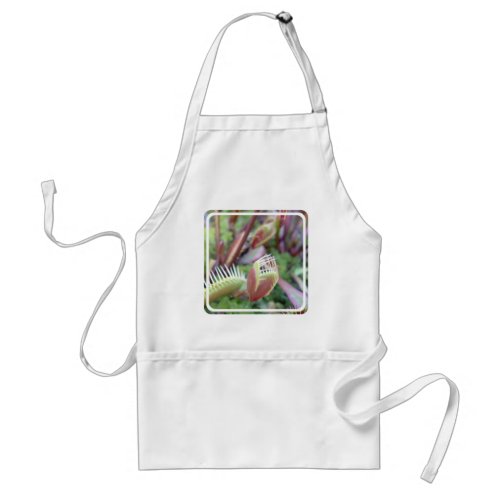
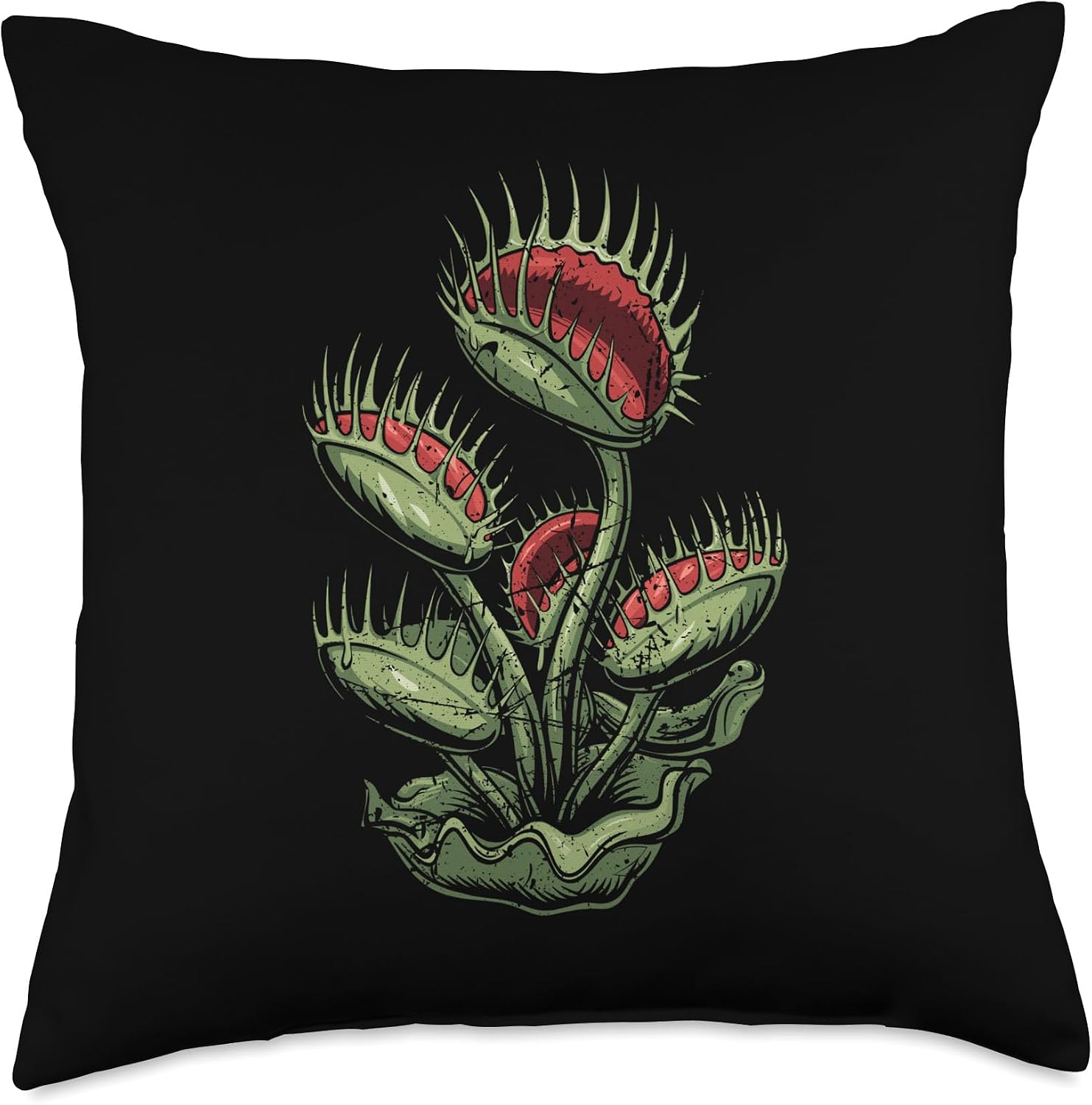
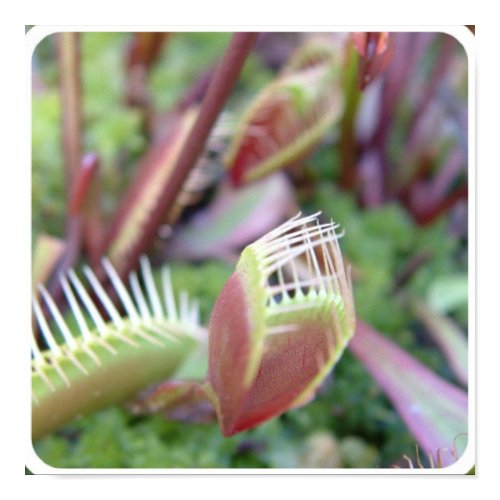
The Venus flytrap snaps its hinged, tooth-lined leaves shut around unsuspecting insects, making it one of the most famous and instantly recognizable carnivorous plants in the world.
Native to a small, specific region of boggy wetlands in North and South Carolina, the Venus flytrap evolved to trap insects as a nutrient source in its naturally nitrogen-poor native soil. Its small white flowers are secondary to the plant's main attraction — the dramatic snapping trap leaves.
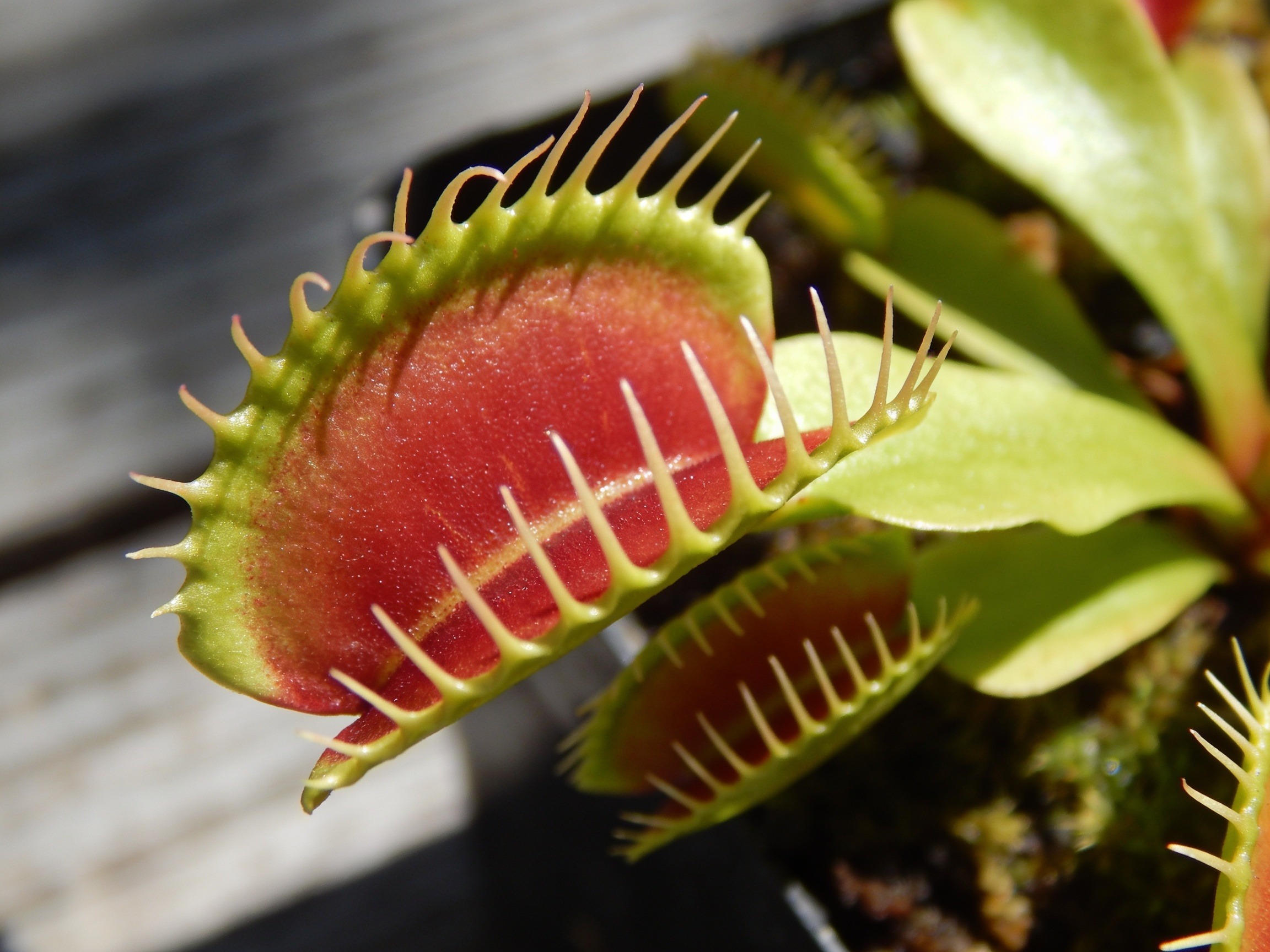
The Venus flytrap has come to symbolize surprise, deception, and an alluring trap — its beautiful appearance concealing a predatory function, a striking contrast that has fascinated people since its discovery.
Venus flytrap needs consistently moist, nutrient-poor, acidic soil and should always be watered with distilled or rainwater, since tap water minerals can harm the plant over time. It needs bright light and a genuine winter dormancy period to thrive long-term, and should never be fed regular plant fertilizer.
Venus flytrap extract has been studied and marketed in some alternative medicine circles, though there is limited scientific evidence supporting therapeutic use, and the plant is grown almost entirely as a novelty and educational specimen.