Exotic Orchid Care by Variety
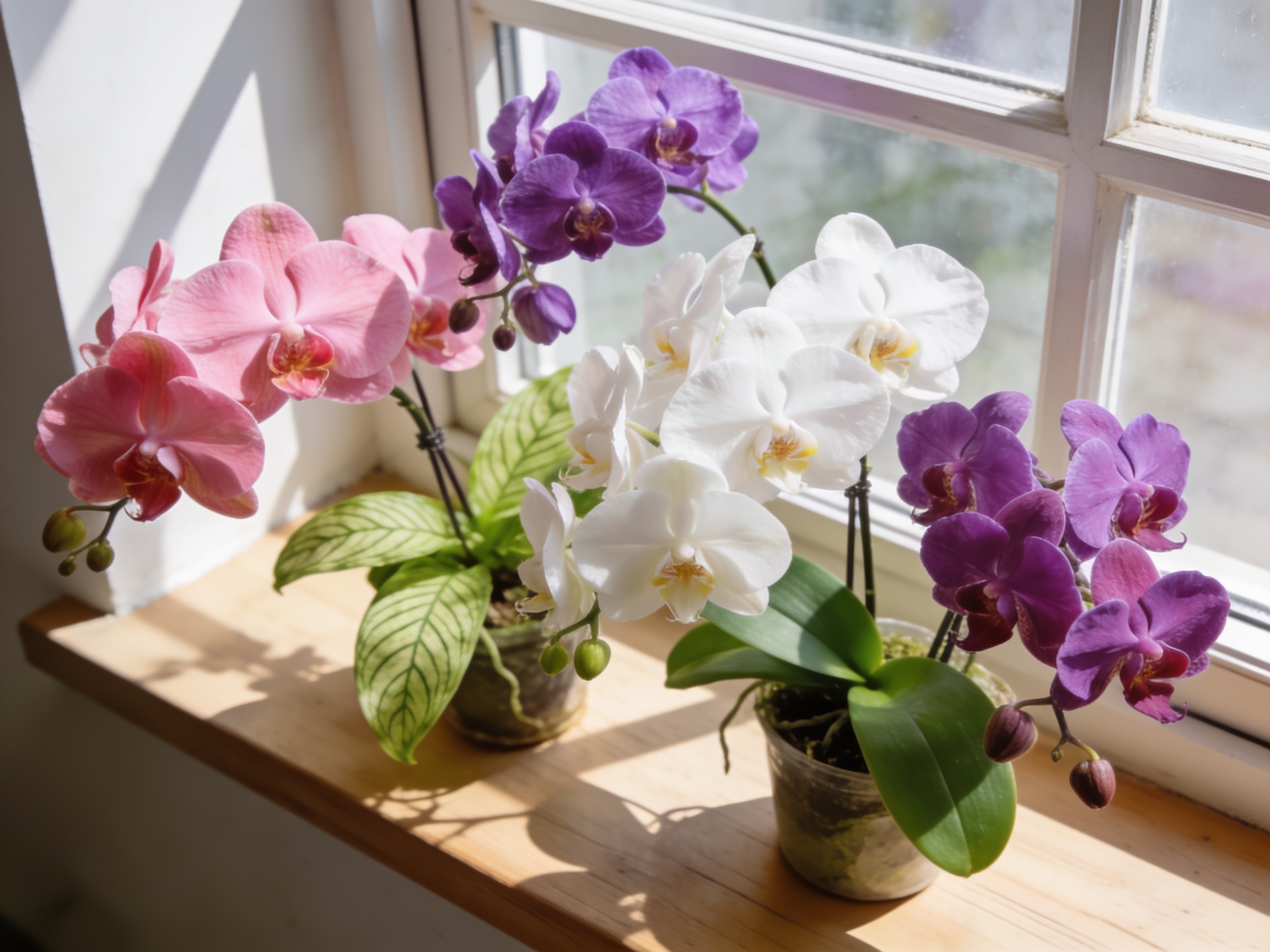
Orchids have thrived for millions of years, but their reputation for being tricky mostly comes down to one thing: different varieties genuinely want different care.
Watering by Type
Overwatering, not underwatering, is the most common mistake — a weekly watering is a reasonable starting point, adjusted up slightly in summer and down in winter. But the exact preference depends on the variety: Cymbidium, Miltonia, Odontoglossum, and Paphiopedilum like their soil to stay a little moist even between waterings, while Ascocenda, Vanda, and Phalaenopsis prefer to dry out fully between each watering. Getting this distinction right matters more than any general rule of thumb.
Light, Feeding, and Repotting
Dendrobiums and cattleyas want plenty of light — a south-facing window works well, with care taken that leaves don't scorch in peak summer sun. Paphiopedilums and phalaenopsis prefer less light and should sit farther from the window; dark green leaves signal too little light, while a reddish tinge signals too much. Use a fertilizer formulated specifically for orchids and follow the label closely — too much or too little can both cause harm. Repot roughly every two years, only when the plant isn't in bloom, choosing a slightly larger pot and removing dead roots before settling it into its new home; give it about a week to adjust before resuming a normal watering and feeding schedule.
Identify your orchid's specific variety before settling on a watering routine — the difference between "moist between waterings" and "dry between waterings" types is one of the most common causes of orchid trouble.