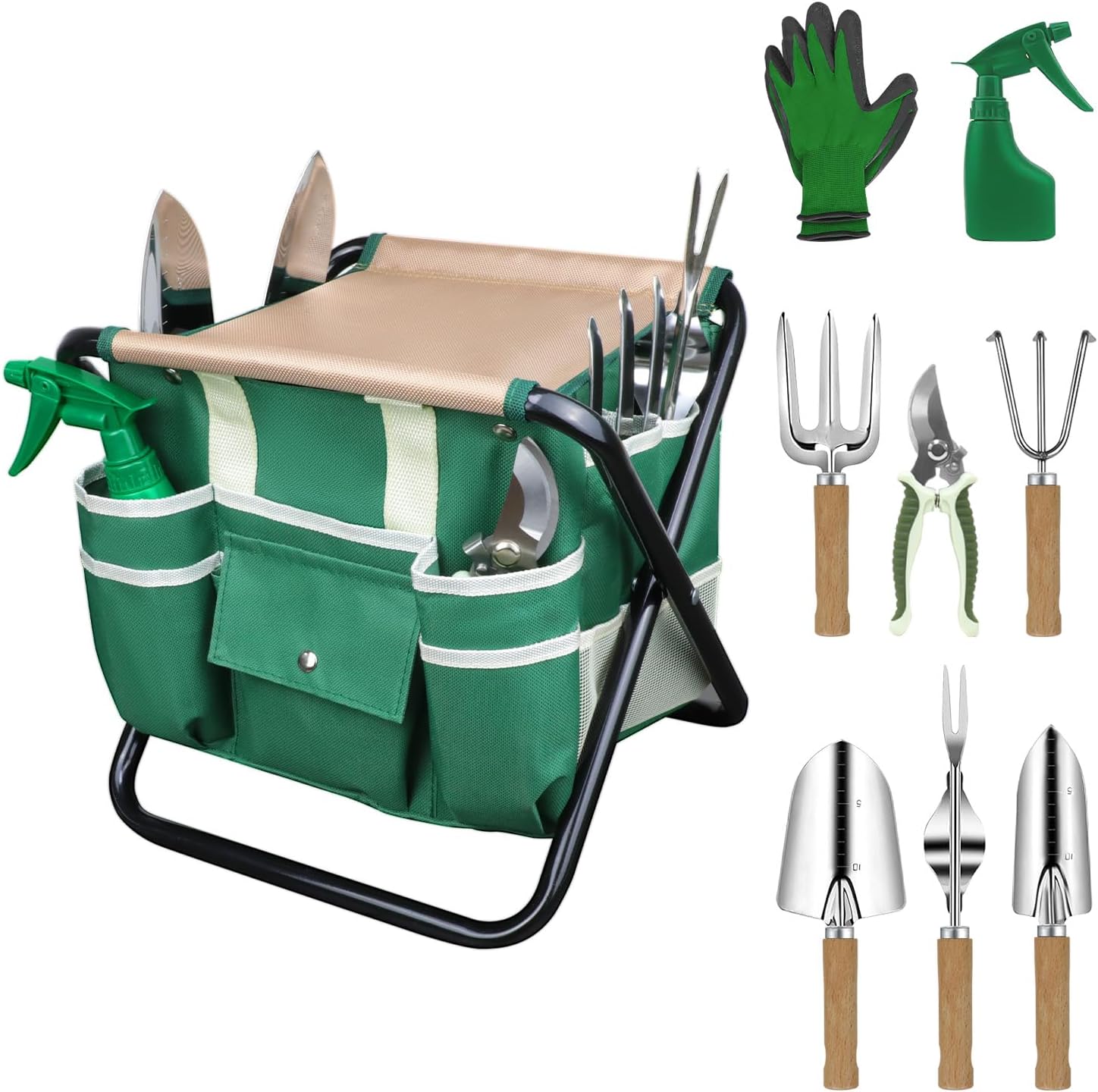
Dividing Irises
Of the more than 200 iris species, bearded and Siberian iris are the most common in home gardens — and both need periodic dividing to keep flowering well.
Bearded Iris
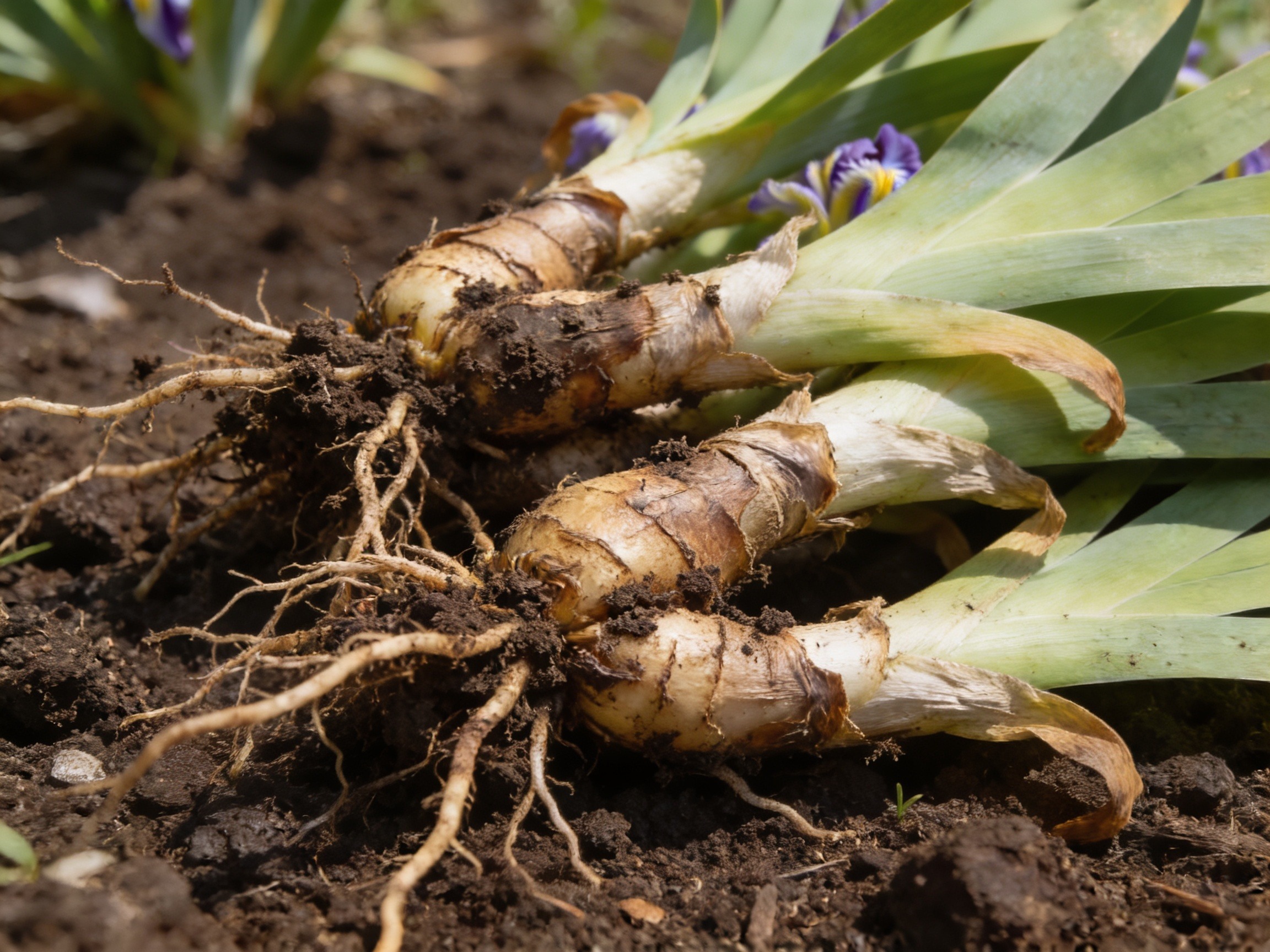
The youngest rhizomes carry the most flowers; as they age, stored nutrients deplete and the oldest sections stop sending up stalks at all. Divide every three to five years, in late summer, about six weeks after blooming ends. Lift the whole clump with a garden fork, hose off the soil, and check the rhizomes for the iris borer — a larval worm that hollows them out and can trigger a foul-smelling bacterial rot. Discard anything damaged or mushy, and dip your cutting blade in a 10% bleach solution between cuts to avoid spreading disease. Keep the young, firm outer sections and discard the old woody center, then replant with a slight curve in the foliage fans, all facing the same direction.
Siberian Iris
Siberian iris flowers less often — every three to four years — and is best divided in spring instead. Lever the clump apart by hand once it's out of the ground, or use two garden forks back-to-back at the center if the mass of rhizomes resists. A blunt spade can also cut a stubborn clump cleanly in half. Replant each section at the same depth it was growing before, and water it in well.
Trim the leaves back by about half before lifting a clump — it reduces moisture stress on the plant while its roots are exposed and being divided.