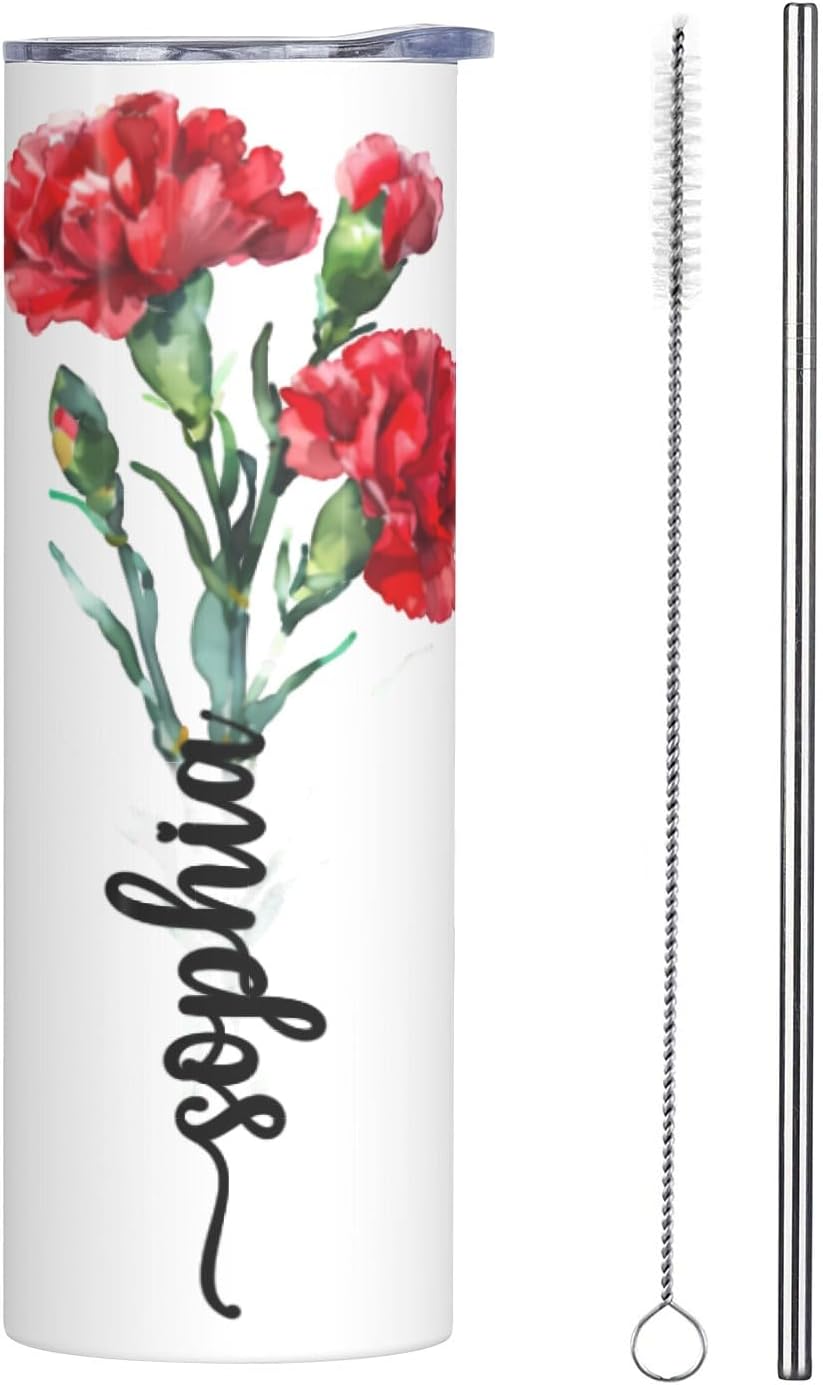
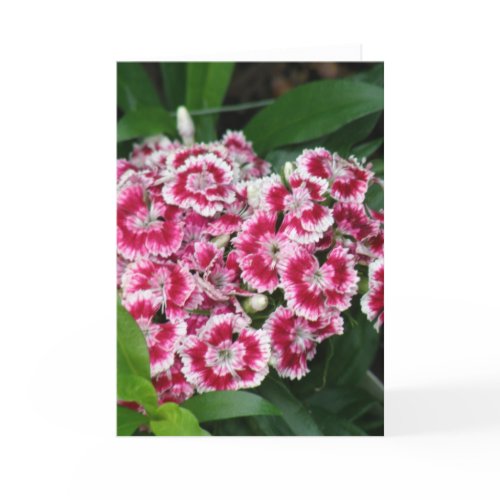
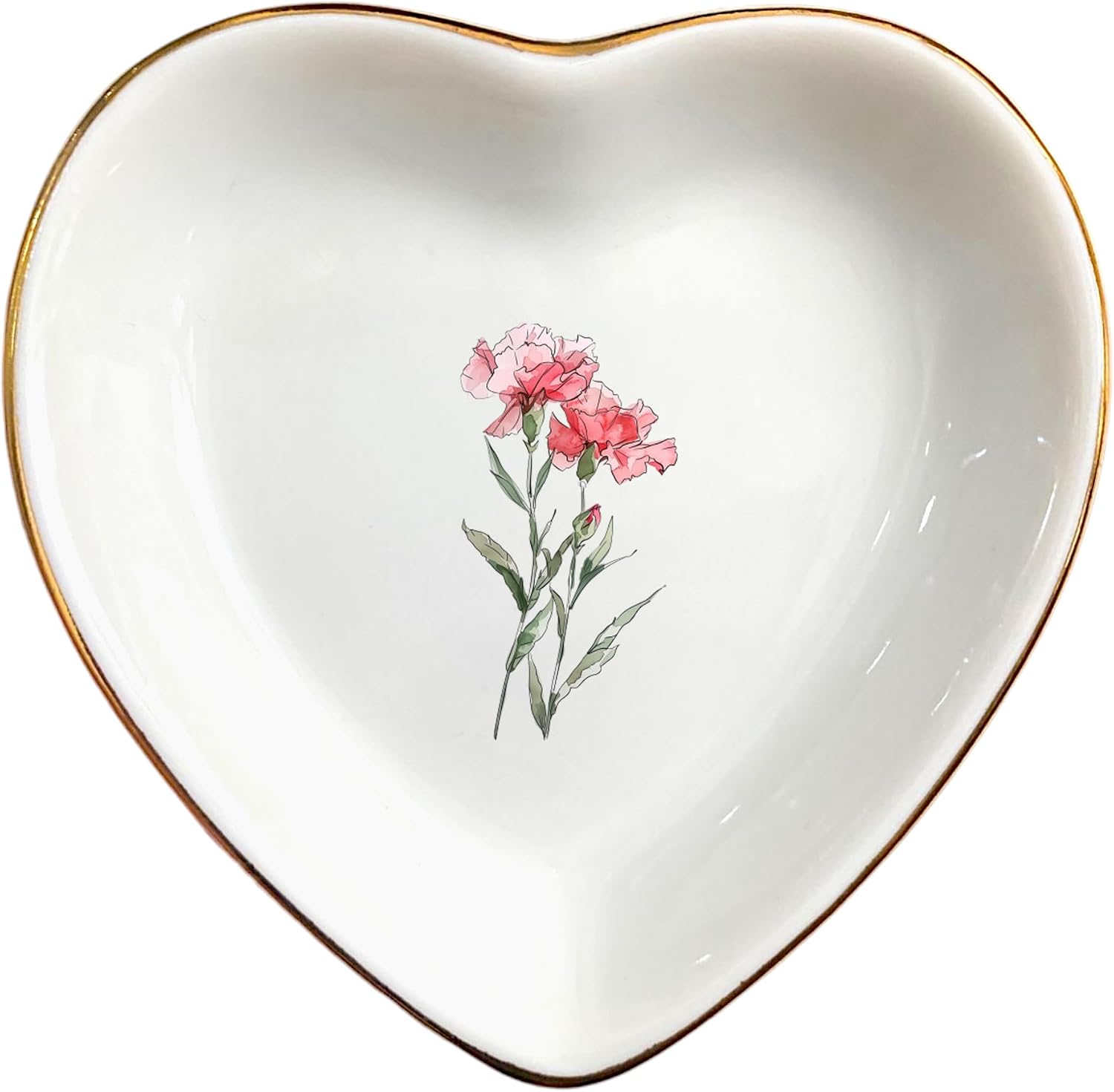
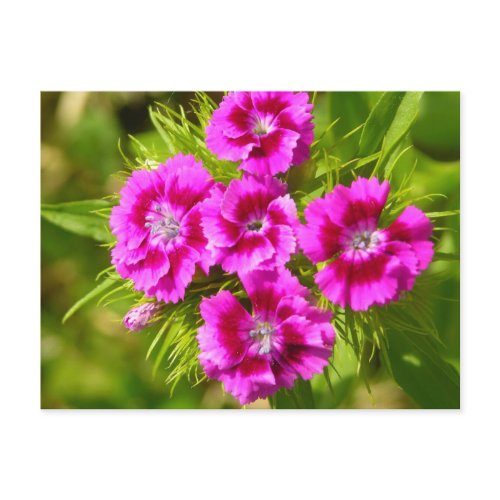
Dianthus, which includes carnations and garden pinks, produces fringed, clove-scented blooms that have been a florist and garden favorite for centuries.
Native to Europe and Asia, this genus ranges from tall cut-flower carnations to low, mat-forming garden pinks suited to rock gardens and border edges. Its name, derived from Greek for "flower of the gods," reflects the high esteem the flower has held throughout history.
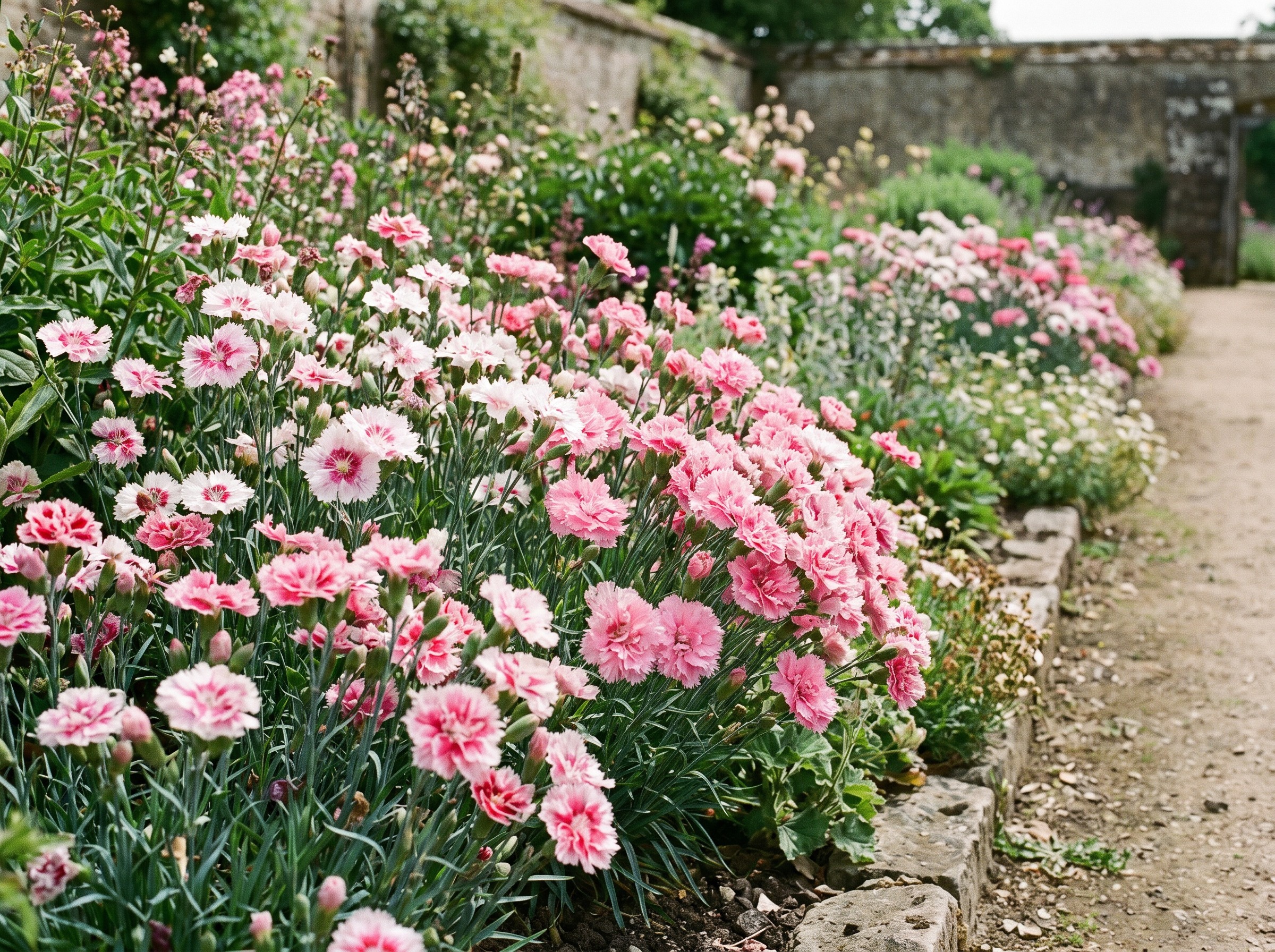
Dianthus, especially the carnation, carries meanings that shift by color — red for deep love, pink for gratitude, white for pure love — making it one of the more nuanced flowers in the traditional language of blooms.
Dianthus wants full sun and well-draining, slightly alkaline soil — good drainage is essential, since it's prone to rot in consistently wet ground. Many varieties are evergreen and provide low-growing texture year-round, while deadheading spent blooms extends the flowering period considerably.
Carnation petals have historically been used to flavor wine and liqueurs, and some traditional European remedies used dianthus preparations for fever and nervous conditions, though its main modern use remains ornamental and as a cut flower.