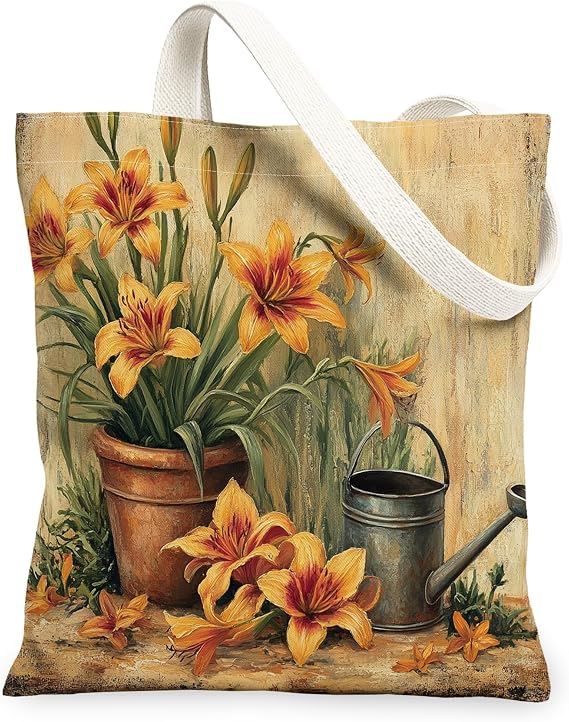
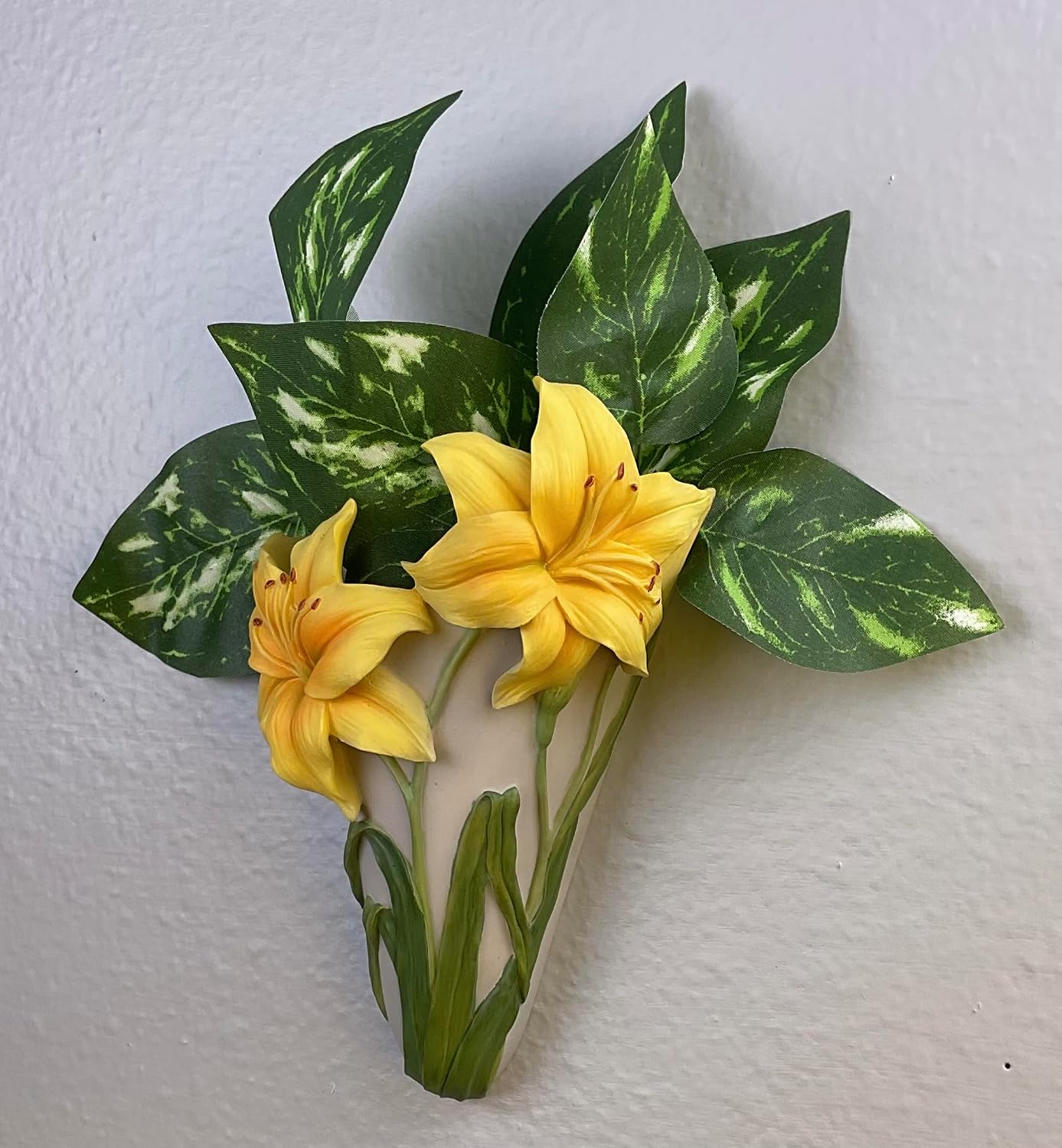
The daylily takes its name from the Latin "Hemerocallis," meaning "beauty for a day" — each individual trumpet-shaped bloom lasts only a single day, but a mature clump produces so many buds that the show continues for weeks.
Beloved for its toughness, the daylily thrives in nearly any soil and climate, tolerating drought, poor drainage, and neglect while still producing a reliable flush of orange, yellow, red, pink, or purple flowers each summer.
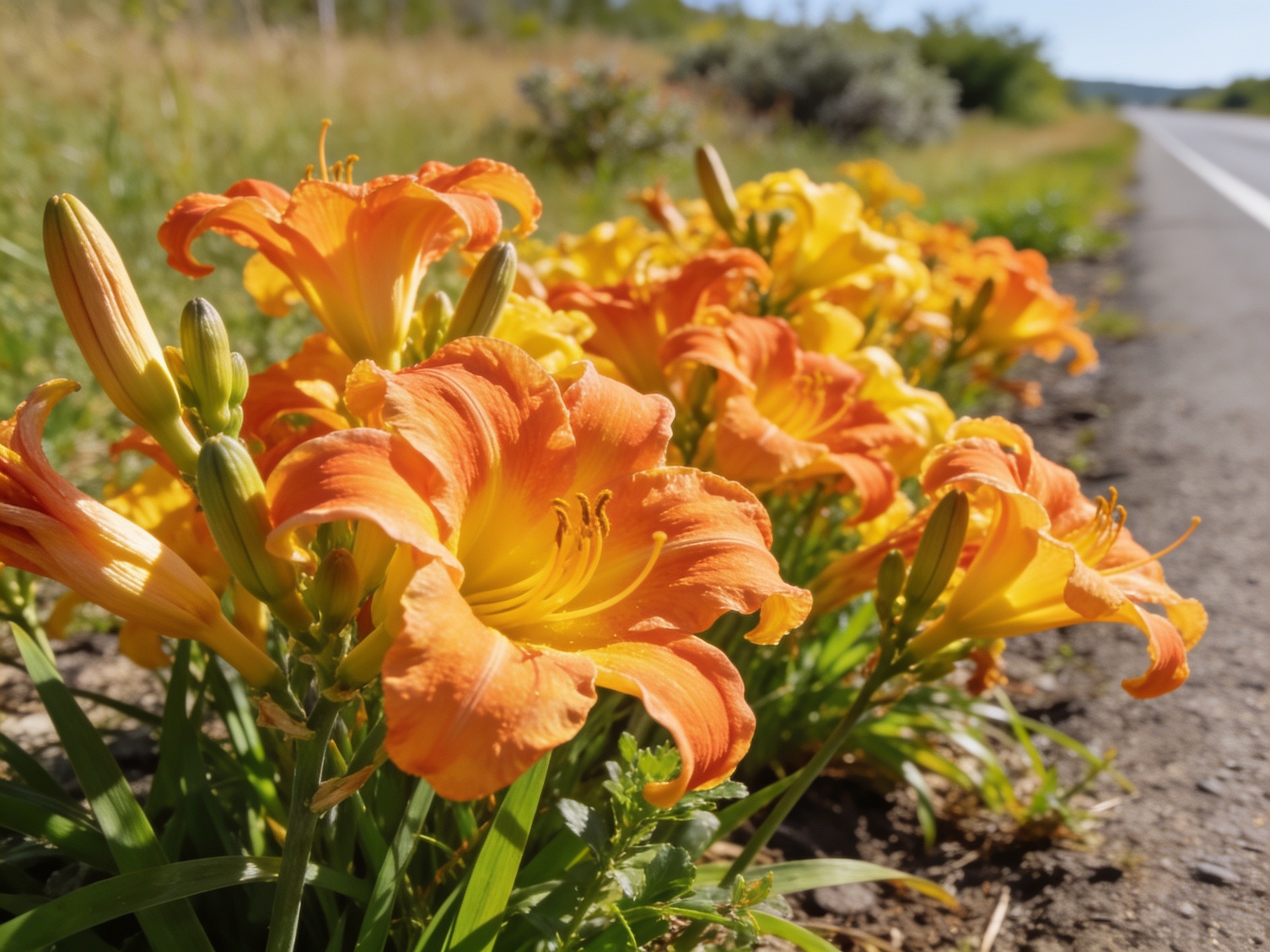
The daylily symbolizes motherhood and devotion in many traditions, and in Chinese culture it is known as the "flower of forgetting sorrow," traditionally given to expectant mothers as a wish for a son and an easy pregnancy.
Daylilies grow well in full sun to light shade and adapt to almost any soil type, from clay to sand. Deadhead spent blooms daily for tidiness, and divide congested clumps every three to five years in spring or fall to maintain vigorous flowering. Established plants need little more than an occasional deep watering during extended dry spells.
In traditional Chinese medicine, dried daylily buds — known as "golden needles" — have long been used in cooking and folk remedies believed to ease anxiety and promote restful sleep, and the fresh blooms and buds are edible in salads and stir-fries.