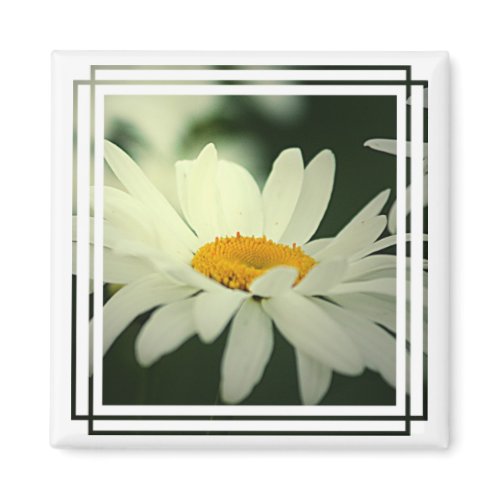
The common daisy is the simplest, most universally recognized flower shape in the world — a ring of white petals surrounding a sunny yellow center.
Native to Europe, the common daisy has spread and naturalized across temperate regions worldwide, often appearing in lawns and meadows as a cheerful, self-sowing wildflower. Its name comes from the Old English "day's eye," referring to the way it opens at dawn and closes at dusk.
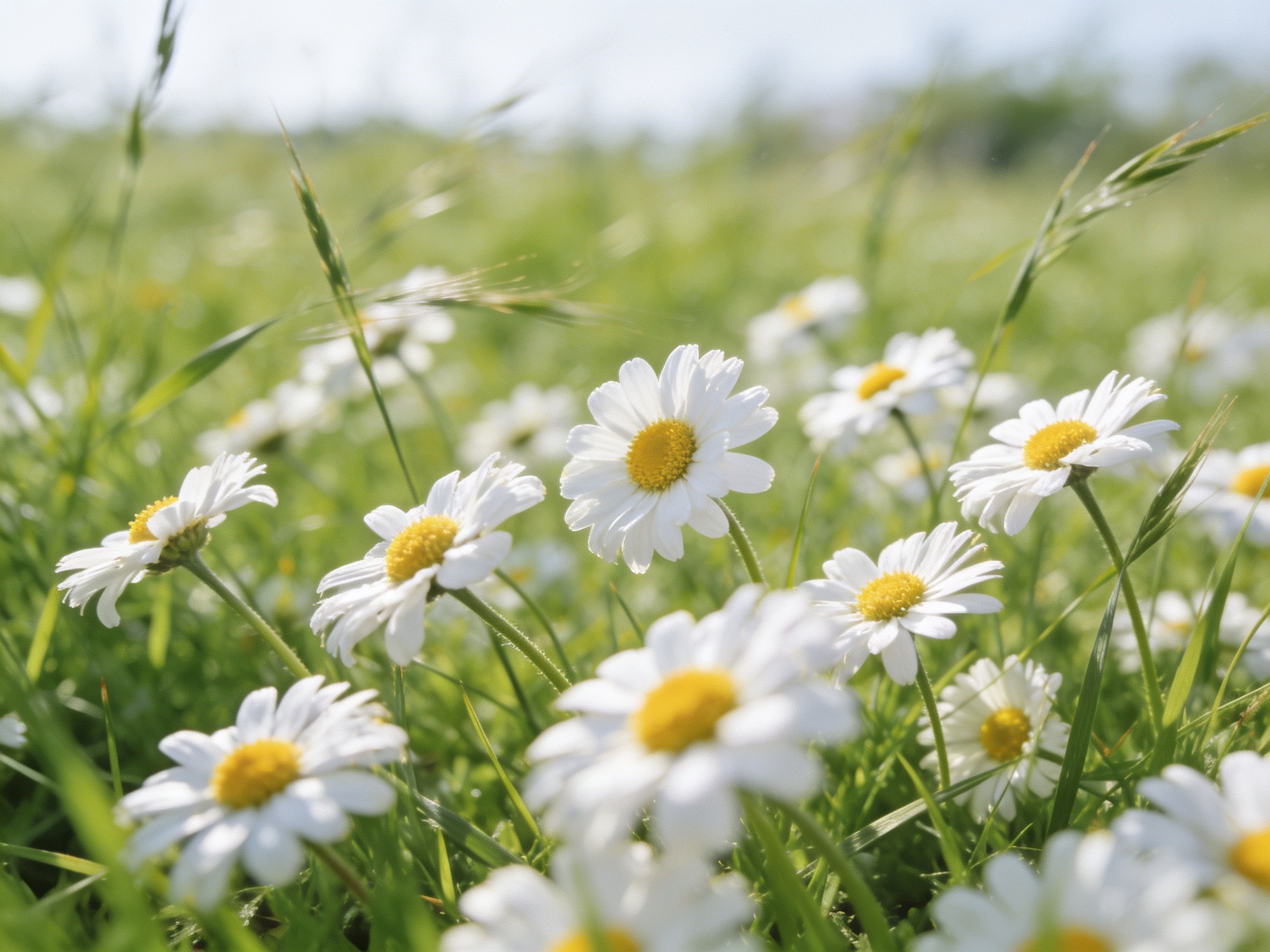
The daisy symbolizes innocence and purity, and the childhood game of plucking petals to answer "loves me, loves me not" has kept the flower tied to simple, hopeful romance for generations.
Common daisy tolerates a wide range of soil and light conditions, from full sun to light shade, and often thrives with total neglect. It spreads readily by seed, and while welcome in a wildflower meadow, it can become a persistent lawn "weed" if a pristine turf look is the goal.
Common daisy has a history of use in traditional European folk medicine as a mild remedy for coughs and minor wounds, and the young leaves are sometimes used as a wild edible green in salads.