Coriander
Coriander (Coriandrum sativum) is a single fast-growing annual that provides two very different flavors from one plant — the fresh leaves, widely known as cilantro, taste bright and citrusy (or soapy, to the genetically predisposed), while the dried seed carries a warm, nutty, faintly citrus flavor entirely its own.
Growing Coriander
Coriander bolts to flower quickly in heat, ending its run of usable cilantro leaves fast, so it does best in cool spring or fall weather and benefits from a bit of afternoon shade in summer. Successive sowings every few weeks keep fresh leaves coming, and letting a later planting bolt and flower on purpose is exactly how you get to harvest the seed.
Culinary Uses
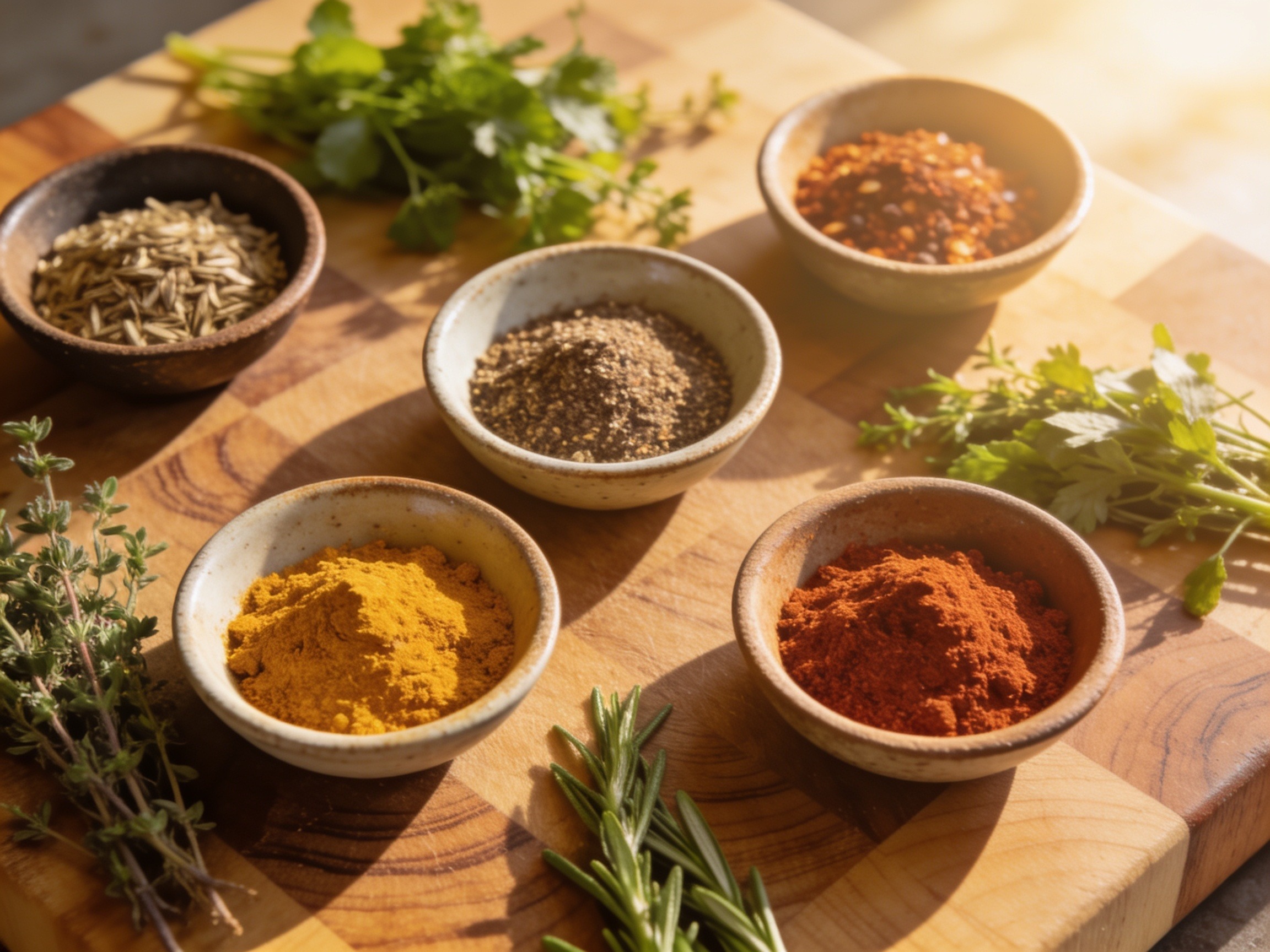
Fresh cilantro leaves are essential to Mexican, Southeast Asian, and Indian cooking, usually added raw or at the very end since heat mutes their bright flavor quickly. Whole or ground coriander seed, by contrast, holds up well to cooking and is a foundational spice in curry blends, sausages, and pickling mixes — toasting the seeds briefly before grinding brings out a deeper flavor.
Some people carry a genetic variation that makes cilantro taste like soap — if a dinner guest avoids it, it's very likely this, not pickiness.