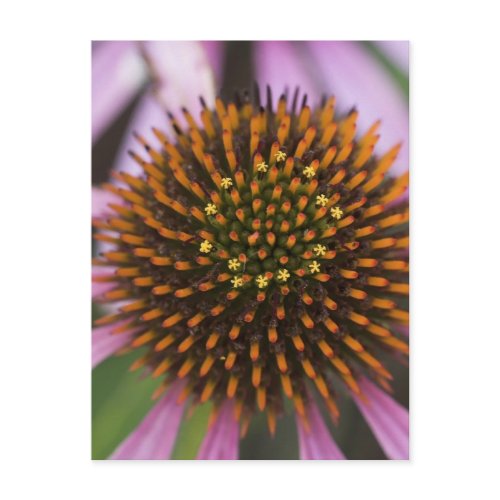
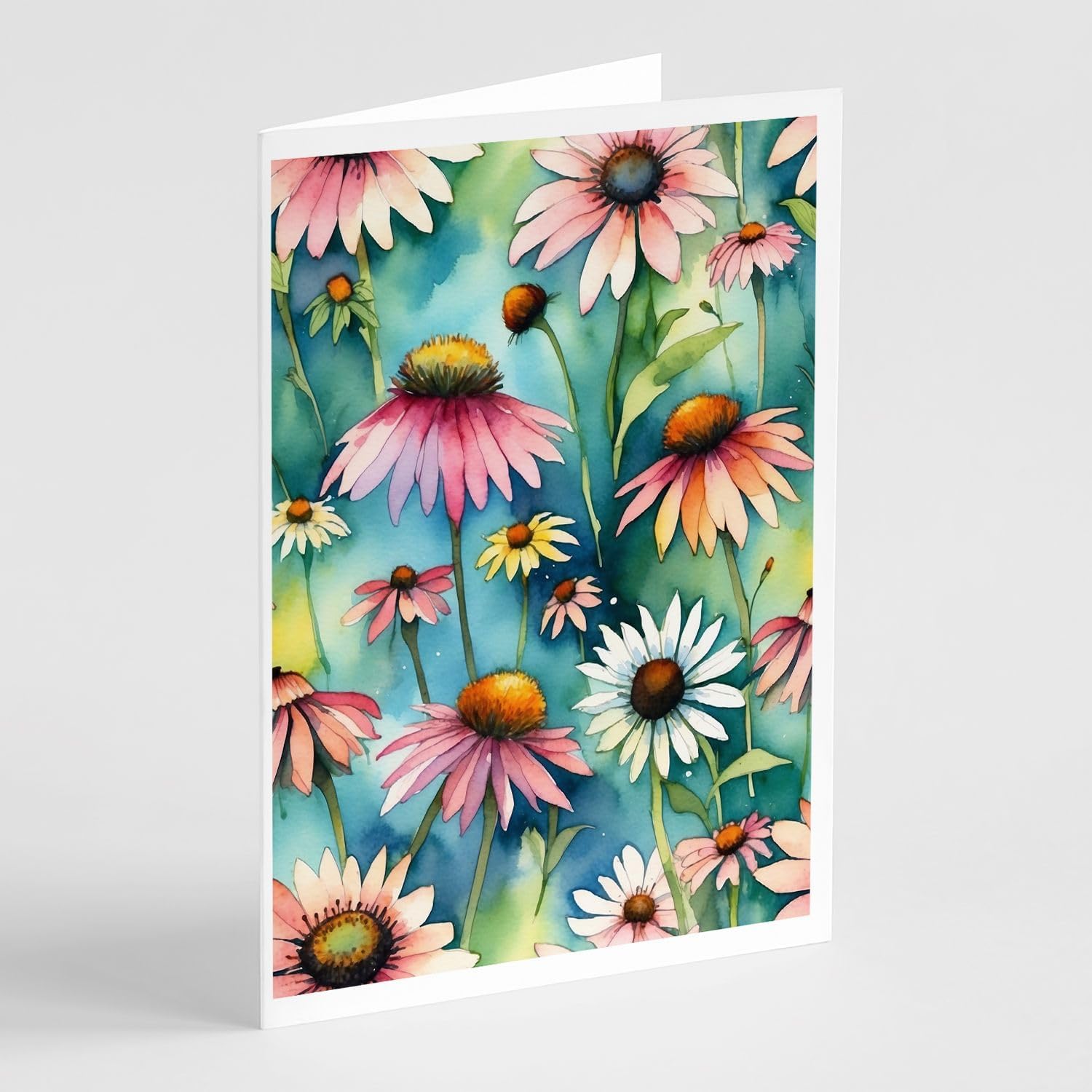
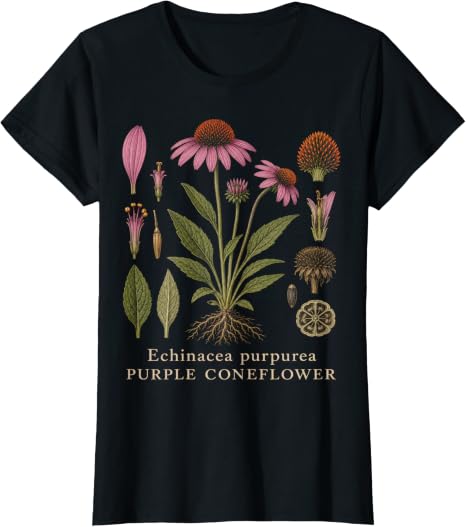
Coneflowers, best known by their botanical name Echinacea, feature a raised, spiky central cone surrounded by drooping petals, standing tall through summer heat with impressive resilience.
Native to the prairies of North America, coneflowers have become a garden and pollinator-support staple for their long bloom season and drought tolerance. Their seed heads, left standing through winter, also provide valuable food for goldfinches and other birds.
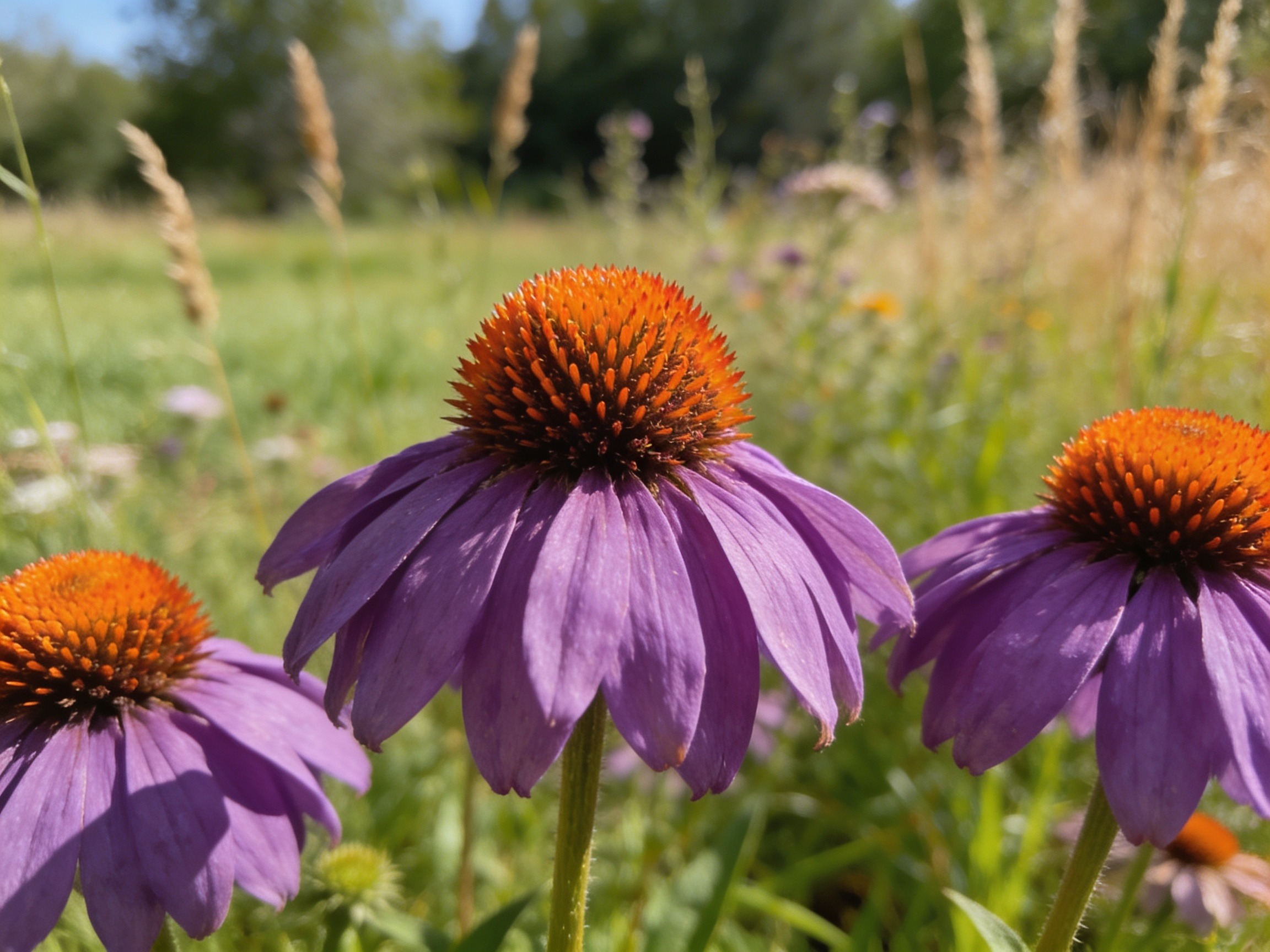
Coneflower symbolizes strength and healing, a meaning closely tied to its long history as a medicinal plant among Native American tribes and its continued popularity as an immune-support herb today.
Coneflowers thrive in full sun and tolerate poor, dry soil with ease, making them one of the most forgiving perennials for a low-water garden. Leaving spent flower heads standing through fall and winter provides seed for birds and adds textural interest before cutting back in early spring.
Echinacea is among the most widely used herbal supplements today, taken by many at the first sign of a cold in the belief it supports immune function, a use rooted in centuries of traditional Native American medicine.