Compost
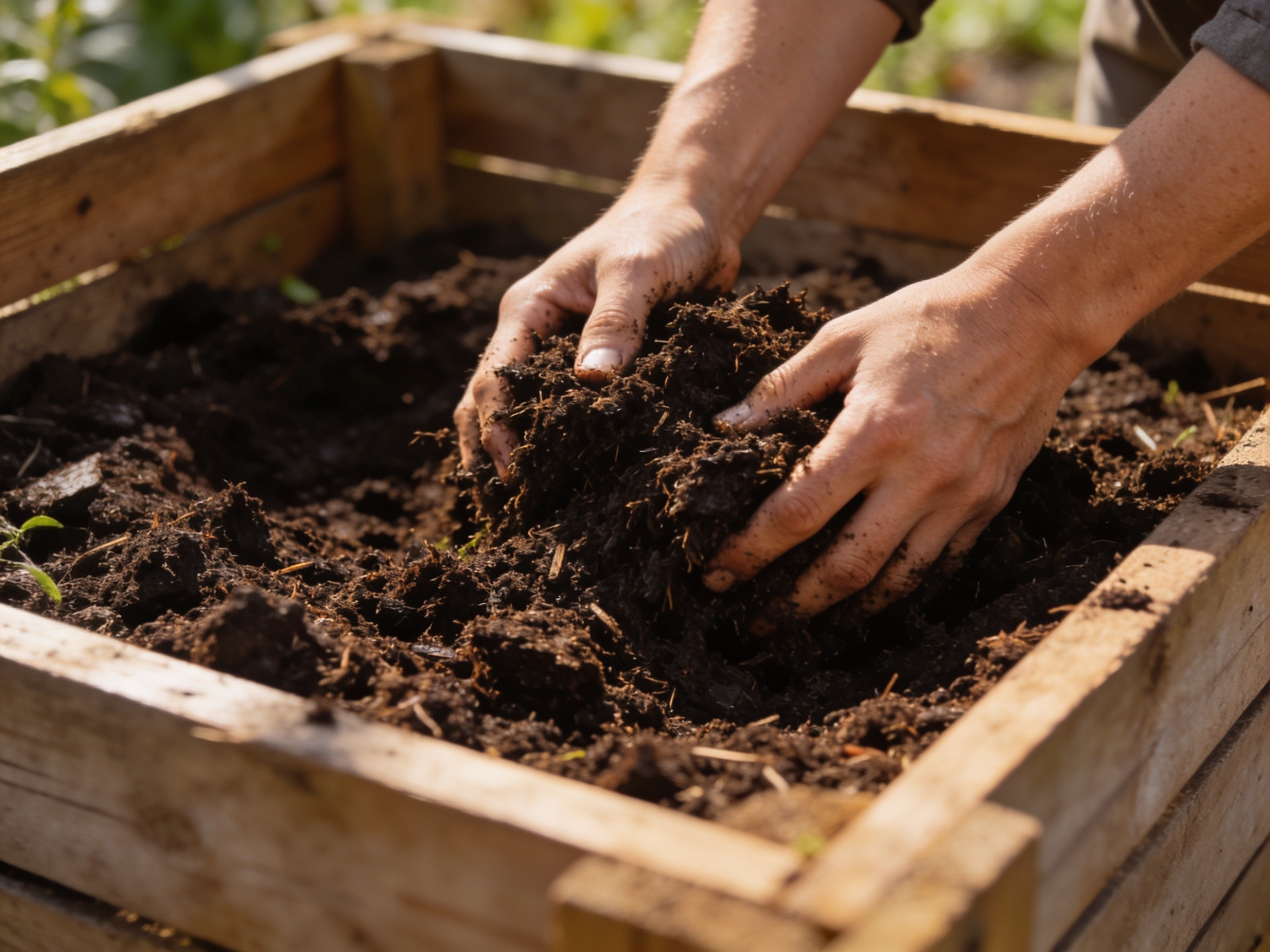
Compost is decomposed organic matter — kitchen scraps, yard waste, and other plant material broken down by microbes into a dark, crumbly, nutrient-rich soil amendment. It's often called "gardener's gold" for good reason: it improves soil structure, feeds plants slowly, and helps soil hold moisture, all from what would otherwise be waste.
What Goes In
A healthy compost pile needs a mix of "greens" — nitrogen-rich material like fruit and vegetable scraps, coffee grounds, and fresh grass clippings — and "browns," carbon-rich material like dry leaves, straw, and shredded cardboard. A rough ratio of two or three parts browns to one part greens keeps the pile from turning slimy or smelly.
Avoid meat, dairy, oily foods, and diseased plant material — they attract pests or can spread problems back into the garden once the compost is used.
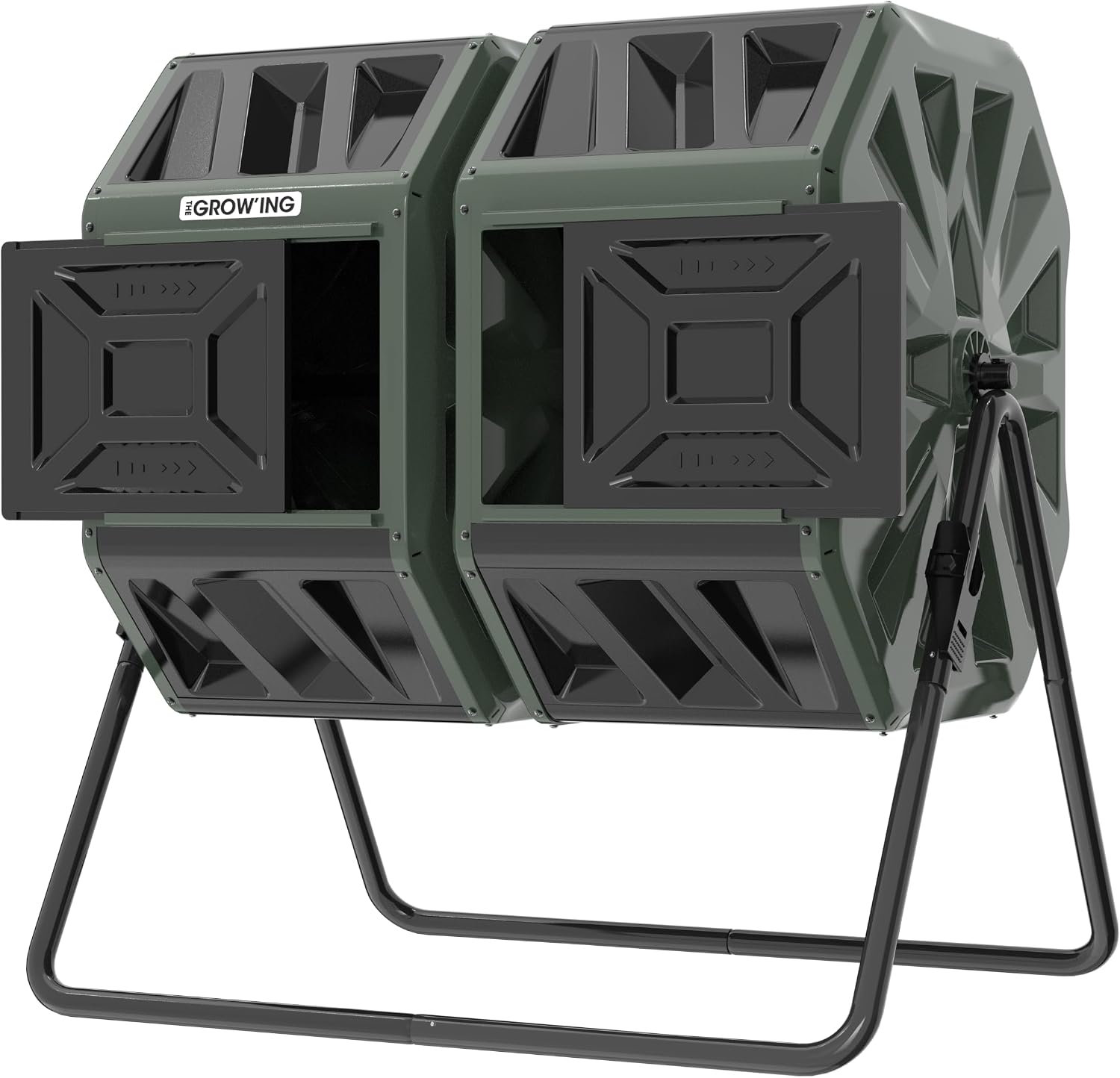
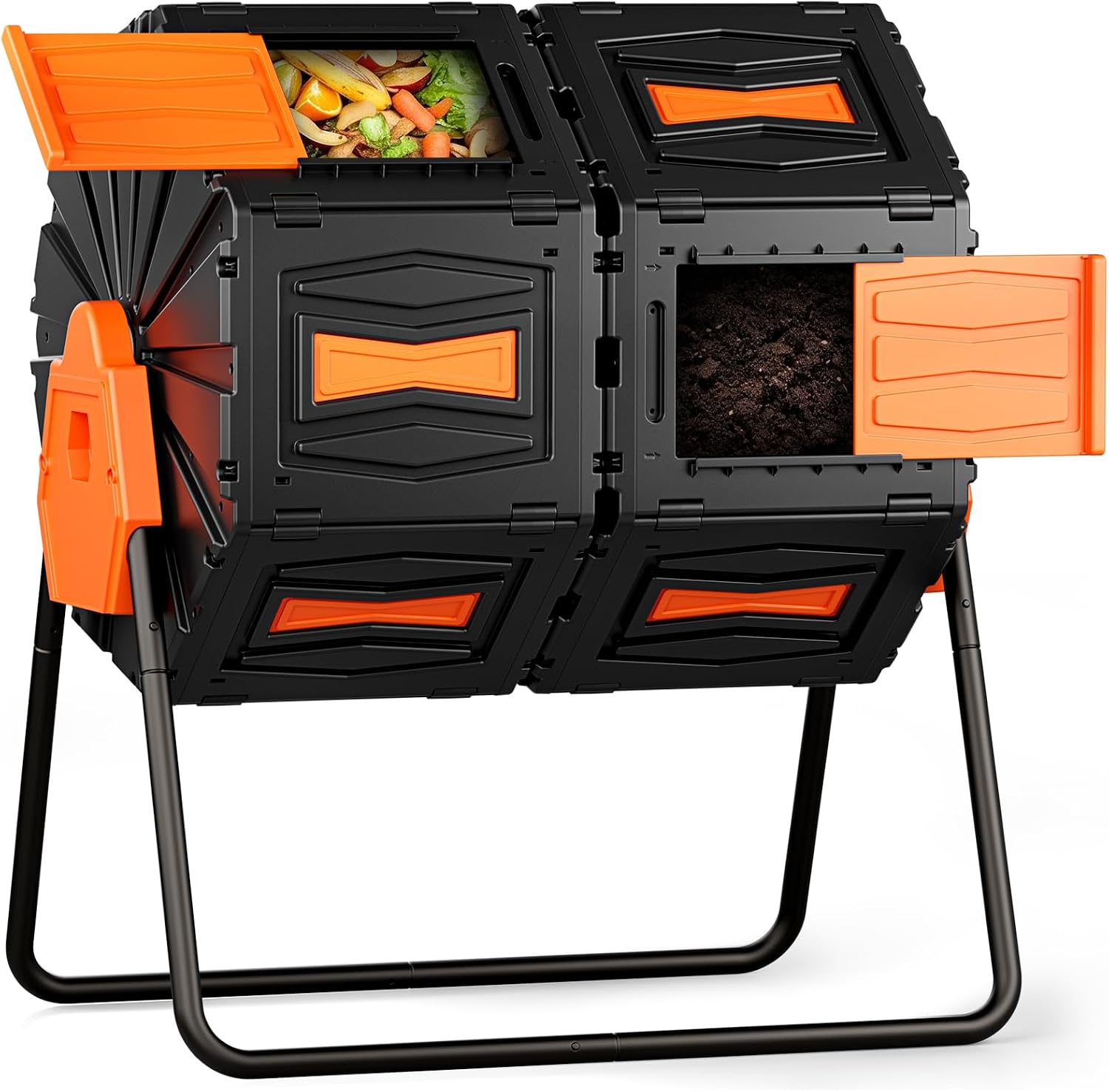
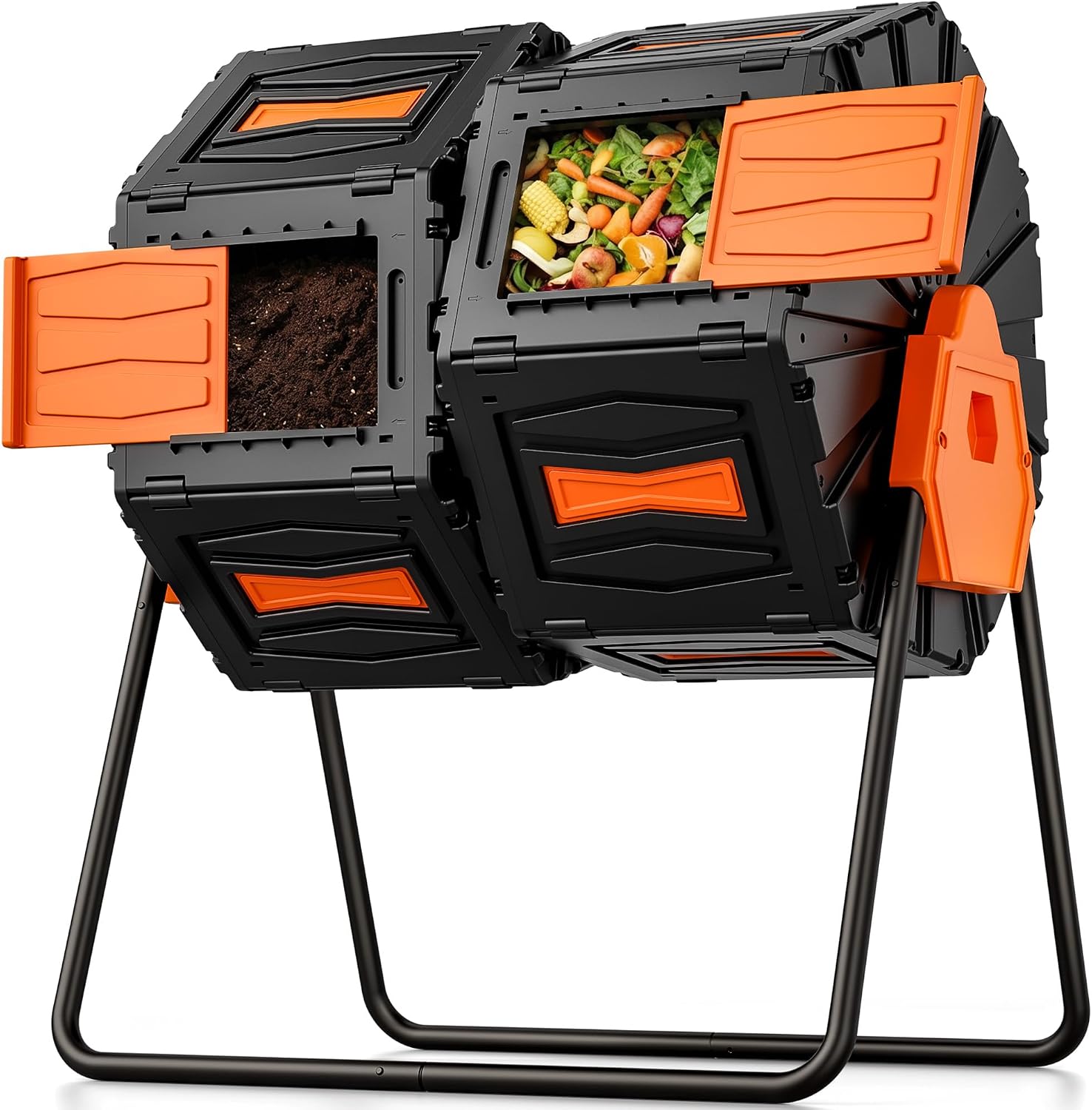
Turning the pile every week or two with a garden fork speeds up decomposition significantly by getting oxygen to the microbes doing the actual work.
Knowing When It's Ready
Finished compost is dark brown, crumbly, and smells like fresh earth — none of the original materials should still be recognizable. Depending on the mix and how often it's turned, this can take anywhere from a couple of months to a year. Work finished compost into garden beds or use it as a top-dressing around existing plants.